4 AI Trends in Vocational and Technical Training
Discover how AI is improving vocational training and preparing students for the modern technical workforce.
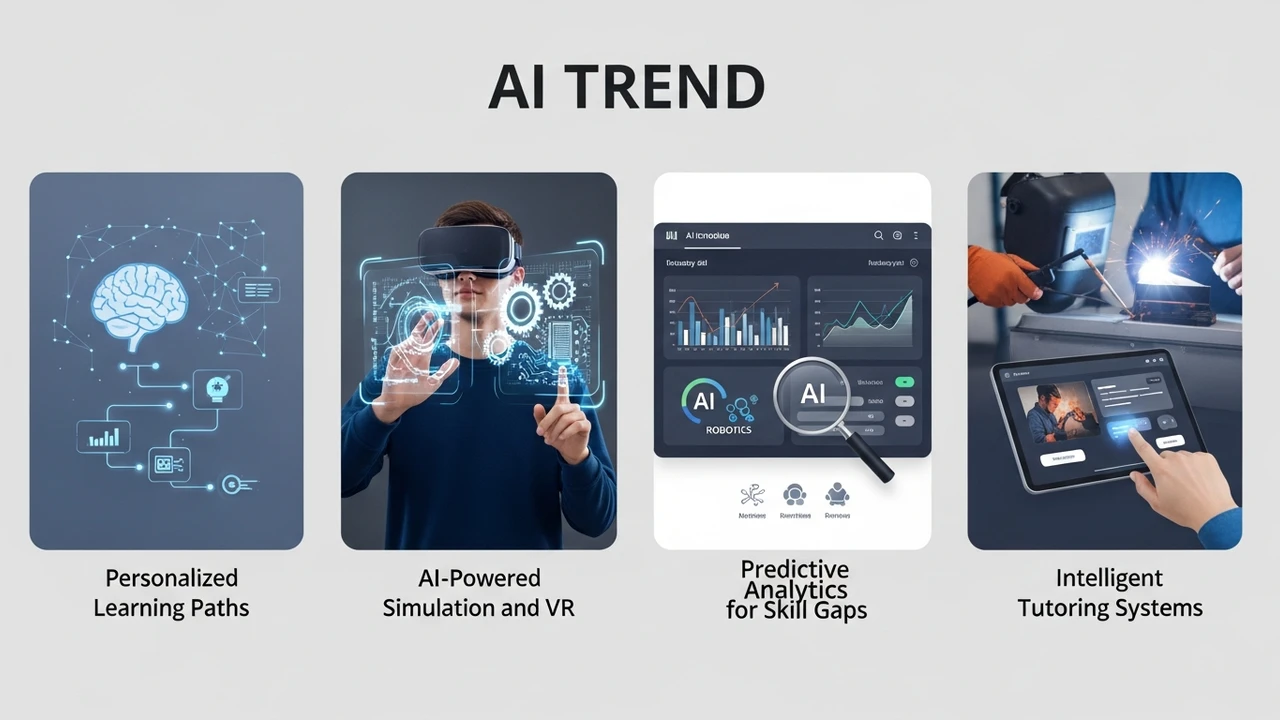
4 AI Trends in Vocational and Technical Training
Discover how AI is improving vocational training and preparing students for the modern technical workforce.
The landscape of vocational and technical training is undergoing a massive shift. Gone are the days when hands-on learning meant only physical workshops and static textbooks. Today, Artificial Intelligence is stepping in to bridge the gap between traditional trade skills and the high-tech requirements of the modern industry. Whether you are an aspiring electrician, a budding mechanic, or someone looking to master CNC machining, AI is changing how you learn, practice, and eventually land that dream job.
AI Driven Virtual Reality Simulations for Technical Skills
One of the most exciting trends is the integration of AI with Virtual Reality (VR). In vocational training, safety and cost are often major barriers. You can't just let a novice student practice welding on a million-dollar piece of equipment without risk. AI-powered VR platforms solve this by creating hyper-realistic environments where students can fail safely.
Take SkillReal, for example. It uses computer vision and AI to track a student's movements in real-time during a welding simulation. It provides instant feedback on the angle of the torch, the speed of the movement, and the consistency of the bead. It’s like having a master welder standing over your shoulder 24/7. Another great option is FundamentalVR, which focuses on surgical and technical training, providing haptic feedback that feels incredibly real. These tools typically cost between $500 to $2,000 for hardware setups, with software subscriptions ranging from $50 to $200 per month.
Personalized AI Learning Paths for Vocational Students
Every student learns at a different pace. In a traditional classroom, the teacher has to move at the speed of the average student, which leaves some behind and bores others. AI-powered adaptive learning platforms are changing this by analyzing your performance and adjusting the curriculum accordingly.
Platforms like Knewton Alta or Area9 Lyceum are leading the charge here. They don't just give you a quiz; they analyze which specific technical concepts you are struggling with—say, understanding electrical circuits—and then serve up targeted content to help you master that specific gap. This is a game-changer for vocational schools where mastery is non-negotiable. Pricing for these platforms is usually enterprise-based, but individual access can often be found through institutional partnerships for around $30 to $100 per course.
AI Powered Predictive Maintenance Training
If you are training to be a technician, you need to know how to fix machines before they break. Predictive maintenance is a huge part of modern industry, and AI is now being used to teach this skill. Instead of just learning how to replace a part, students are learning how to interpret data from sensors to predict when a part will fail.
Tools like Augury provide AI-driven diagnostics that students can use to learn about machine health. By connecting to vibration and temperature sensors, the AI tells you exactly what is wrong with a motor or pump. Comparing this to traditional manual troubleshooting, the AI approach is significantly faster and more accurate. While these are industrial-grade tools, many vocational colleges are now integrating them into their labs. The cost for these systems is high, often reaching thousands of dollars, but the skill set gained is invaluable for high-paying maintenance roles.
Automated Skill Assessment and Certification
Finally, we are seeing a shift in how skills are assessed. Instead of a one-time written exam, AI is enabling continuous assessment. This means your certification is based on your actual performance over time, not just how well you can memorize facts for a test.
Degreed and Cornerstone OnDemand are platforms that use AI to track your skill development across various modules. They can verify that you have actually performed a task correctly multiple times. This creates a 'digital transcript' of your skills that employers love. It’s much more reliable than a resume. These platforms are often used by large corporations for internal training, with pricing models that scale based on the number of users, often starting at $10 per user per month.
Comparing the Best AI Tools for Technical Training
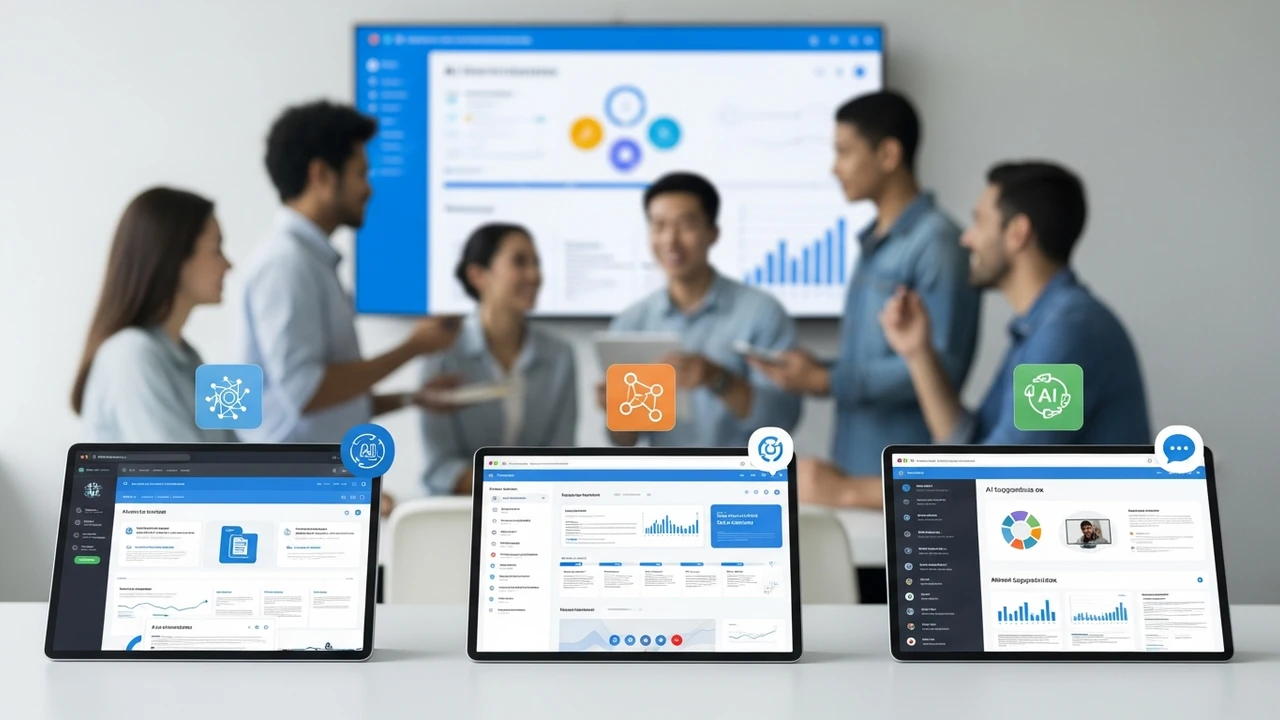
When you look at the market, it’s easy to get overwhelmed. If you are a student, focus on tools that offer immediate feedback. If you are an educator, look for platforms that offer robust analytics. For instance, SkillReal is superior for physical trade skills like welding, while Knewton Alta is better for theoretical technical knowledge like engineering math. The investment in these tools pays off quickly because they reduce the time it takes to reach proficiency by nearly 40% compared to traditional methods.
The future of vocational training isn't about replacing the human element; it's about augmenting it. By using these AI tools, you are not just learning a trade; you are learning how to work alongside the technology that will define your career for the next thirty years. Keep experimenting with these platforms, and you will find yourself miles ahead of the competition in the job market.
:max_bytes(150000):strip_icc()/277019-baked-pork-chops-with-cream-of-mushroom-soup-DDMFS-beauty-4x3-BG-7505-5762b731cf30447d9cbbbbbf387beafa.jpg)