Choosing Annuals vs Perennials A Beginner's Guide
Understand the difference between annuals and perennials. Make informed choices for your flower garden.
Understand the difference between annuals and perennials. Make informed choices for your flower garden.
Choosing Annuals vs Perennials A Beginners Guide
Welcome, budding gardeners! One of the first big decisions you'll face when planning your flower garden is whether to plant annuals or perennials. It might sound a bit technical, but trust me, it's super straightforward once you get the hang of it. This guide is all about breaking down the differences, helping you figure out which one (or a mix of both!) is perfect for your gardening style, budget, and the look you're going for.
Annuals The One-Season Wonders for Instant Color
Let's start with annuals. Think of annuals as the rockstars of the garden that give you a spectacular, non-stop show for one season. They complete their entire life cycle – from seed to flower to seed – all within a single growing season. Once the first hard frost hits, they're done. But oh, what a show they put on before that!
Why Choose Annuals Benefits and Advantages
Annuals are fantastic for a few reasons. First off, they offer incredible, continuous color. Unlike many perennials that have a specific bloom time, annuals often bloom from spring right through to the first frost. This means your garden can be bursting with vibrant hues for months on end. They're also super versatile. Want to change your garden's color scheme every year? Annuals let you do that! They're perfect for experimenting with new looks, filling in gaps, or adding a splash of seasonal cheer to containers and hanging baskets.
Another big plus is their affordability. While you buy them every year, the initial cost per plant is usually lower than perennials. This makes them a great option if you're on a budget or just starting out and want to see what works in your space without a huge upfront investment.
Popular Annual Flowers for Vibrant Displays
There are so many amazing annuals to choose from! Here are some of the most popular and easy-to-grow options that beginners absolutely love:
- Petunias: These are probably the most common annuals you'll see. They come in a dizzying array of colors, from classic whites and pinks to deep purples and even black. They're fantastic for hanging baskets, window boxes, and ground cover. They love sun and regular watering.
- Marigolds: Known for their cheerful orange and yellow blooms, marigolds are incredibly hardy and low-maintenance. They're also great for deterring certain garden pests, making them a good companion plant for vegetables.
- Impatiens: If you have a shady spot that needs some color, impatiens are your go-to. They produce abundant blooms in various shades and are perfect for brightening up darker corners of your garden or patio.
- Zinnias: These come in a wide range of sizes and colors, from small, dainty blooms to large, showy ones. They're excellent for cutting gardens and attracting butterflies. Zinnias are very forgiving and thrive in full sun.
- Begonias: Another excellent choice for shade, begonias offer beautiful foliage as well as colorful flowers. They're great for containers and hanging baskets, providing continuous interest.
Caring for Annuals Essential Tips for Continuous Blooms
To keep your annuals blooming their hearts out, a little care goes a long way. Most annuals prefer full sun (at least 6 hours a day) and well-draining soil. Regular watering is key, especially during hot, dry spells. Many annuals are heavy feeders, so incorporating a slow-release fertilizer at planting time or feeding them with a liquid fertilizer every few weeks can really boost their performance. And don't forget deadheading! This means pinching or cutting off spent flowers. It encourages the plant to produce more blooms instead of putting energy into seed production.
Perennials The Long-Term Investments for Returning Beauty
Now, let's talk about perennials. These are the plants that keep on giving! Unlike annuals, perennials live for more than two years, often returning year after year from their rootstock. While their individual bloom time might be shorter than an annual's, they provide a reliable structure and beauty to your garden for many seasons.
Why Choose Perennials Benefits and Considerations
The biggest advantage of perennials is their longevity. Plant them once, and they'll come back year after year, saving you time and effort in replanting. This also means they can be more cost-effective in the long run, as you're not buying new plants every spring. Perennials often develop stronger root systems, making them more resilient to drought and less demanding once established. They also provide a sense of permanence and maturity to your garden design.
However, there are a few things to consider. Perennials generally have a shorter blooming period compared to annuals. To ensure continuous color, you'll need to plant a variety of perennials with different bloom times. They also tend to be more expensive per plant initially. And while they're low-maintenance once established, they might require division every few years to maintain vigor.
Popular Perennial Flowers for Lasting Garden Appeal
Here are some fantastic perennial options that are great for beginners and offer reliable beauty:
- Hostas: While known more for their stunning foliage than their flowers, hostas are incredibly popular for shady gardens. They come in a vast array of leaf shapes, sizes, and colors, from deep green to variegated blues and yellows.
- Daylilies: These are incredibly tough and adaptable plants that produce a profusion of trumpet-shaped flowers. They come in almost every color imaginable and are very low-maintenance once established.
- Coneflowers (Echinacea): A North American native, coneflowers are beloved for their daisy-like flowers with prominent central cones. They're drought-tolerant, attract pollinators, and come in shades of purple, pink, white, and yellow.
- Lavender: Famous for its fragrant purple spikes and silvery foliage, lavender is a Mediterranean beauty that thrives in full sun and well-draining soil. It's great for attracting bees and has a calming aroma.
- Peonies: These classic garden favorites produce huge, fragrant blooms in late spring to early summer. They're incredibly long-lived and can thrive for decades with minimal care.
Caring for Perennials Establishing and Maintaining Your Plants
When planting perennials, proper site selection is crucial. Make sure they get the right amount of sun and have well-draining soil. While they need regular watering to get established, most perennials become quite drought-tolerant once their root systems are developed. Fertilizing isn't always necessary, but a light application of balanced fertilizer in spring can encourage strong growth. Deadheading spent flowers can prolong the bloom period for some perennials, and dividing overcrowded clumps every few years helps maintain plant health and vigor.
Making Your Choice Annuals vs Perennials for Your Garden Style
So, how do you decide? It really comes down to your gardening goals, your available time, and the look you want to achieve.
Consider Your Garden Goals and Desired Aesthetic
If you're looking for instant, season-long color and love to change things up every year, annuals are probably your best bet. They're perfect for creating vibrant displays in containers, window boxes, or for filling in temporary gaps in your garden beds. If you prefer a more established, low-maintenance garden that provides reliable beauty year after year, perennials are the way to go. They form the backbone of a garden, providing structure and a sense of permanence.
Budget and Time Commitment Factors
While annuals are cheaper per plant, you'll be buying them every year. Perennials are a larger upfront investment but save money in the long run. Consider how much time you want to spend planting. Annuals require annual replanting, while perennials just need occasional maintenance. If you're a busy person, a perennial-heavy garden might be more appealing.
Combining Annuals and Perennials The Best of Both Worlds
Many experienced gardeners (and beginners who quickly catch on!) choose to combine annuals and perennials. This is often the best approach! Perennials provide the foundational structure and reliable blooms, while annuals can be tucked in to fill gaps, add continuous splashes of color, or introduce new themes each season. For example, you might have a bed of hostas and daylilies (perennials) and then intersperse petunias and impatiens (annuals) for non-stop summer color.
Recommended Products for Annual and Perennial Success
To help you get started, here are some product recommendations that can make your annual and perennial gardening journey smoother and more successful. These are general categories, and specific brands will vary by region, but these types of products are widely available.
Soil Amendments and Fertilizers for Healthy Growth
Good soil is the foundation of a healthy garden, whether you're planting annuals or perennials. Here are some essentials:
Organic Potting Mix for Containers and Raised Beds
For annuals in containers or raised beds, a high-quality organic potting mix is crucial. It provides excellent drainage and aeration while retaining moisture and nutrients. Look for mixes that contain compost, perlite, and coco coir. A good example is FoxFarm Ocean Forest Potting Soil. It's a bit pricier, usually around $20-$30 for a 1.5 cubic foot bag, but it's packed with beneficial ingredients and nutrients, making it ideal for vigorous annual growth. Its use case is primarily for container gardening, ensuring your annuals get the best start without needing immediate additional feeding.
Compost for Garden Beds
For in-ground planting of both annuals and perennials, enriching your native soil with compost is a game-changer. Compost improves soil structure, drainage, and nutrient content. You can buy bagged compost or make your own. A popular choice is Black Kow Composted Cow Manure, often found at garden centers for about $5-$8 per 50lb bag. It's excellent for amending existing garden beds, providing a slow release of nutrients and improving soil tilth. It's a general-purpose soil amendment, beneficial for both annuals and perennials by enhancing the overall soil health.
Slow-Release Granular Fertilizer
For both annuals and perennials, a slow-release granular fertilizer can provide consistent nutrition over several months. This is especially useful for heavy-feeding annuals. Look for a balanced NPK (Nitrogen-Phosphorus-Potassium) ratio, like 10-10-10 or similar. Osmocote Smart-Release Plant Food is a widely recognized brand, with a 1.25 lb container costing around $10-$15. It's applied at planting time or early in the season and feeds plants for up to 6 months, reducing the need for frequent liquid feeding. It's versatile for both annuals and perennials, ensuring steady nutrient supply.
Liquid Plant Food for Boosted Blooms
For annuals, especially those in containers, a liquid plant food can provide an immediate boost and encourage more blooms. This is applied every 2-4 weeks during the growing season. Miracle-Gro Water Soluble All-Purpose Plant Food is a classic, very affordable option, typically $7-$10 for a 1.5 lb box. It's easy to mix with water and apply, providing quick nutrients for vibrant annual displays. Its primary use is for quick feeding and boosting bloom production in annuals, though it can also be used for perennials.
Tools for Planting and Maintenance
Having the right tools makes gardening much easier and more enjoyable.
Hand Trowel for Planting
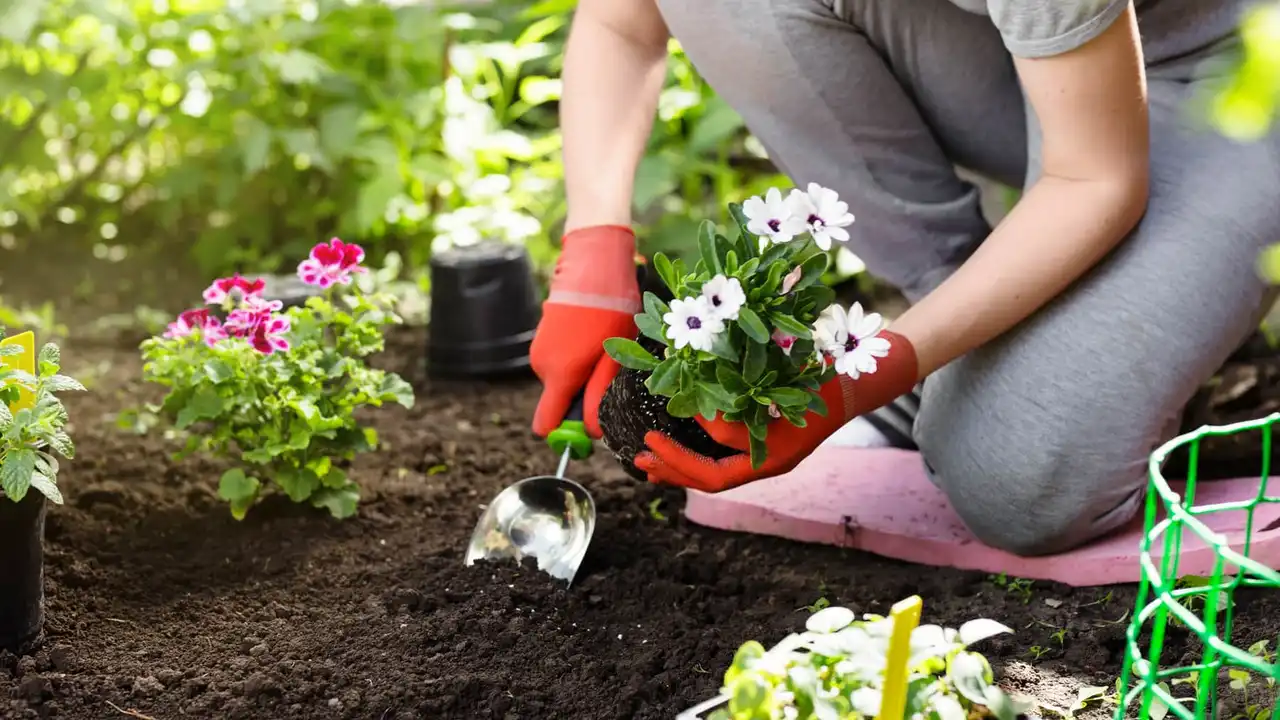
A sturdy hand trowel is indispensable for digging small holes for planting annuals and perennials. Look for one with a comfortable grip and a durable blade. The Fiskars Ergo Trowel is a popular choice, known for its ergonomic design and strength, usually priced around $10-$15. It's perfect for precise planting in beds and containers.
Gardening Gloves for Protection
Protecting your hands is important. Choose gloves that are comfortable, offer good dexterity, and are durable. Atlas Nitrile Touch Gloves are highly recommended by many gardeners for their excellent fit and grip, even when wet. A pair typically costs $5-$8. They are suitable for all general gardening tasks, from planting to weeding, protecting your hands from soil, thorns, and irritants.
Pruning Shears for Deadheading and Trimming
For deadheading annuals and light trimming of perennials, a good pair of bypass pruning shears is essential. Look for sharp blades and a comfortable spring mechanism. Felco F-2 Classic Pruner is a professional-grade option, but it's an investment at around $60-$80. For beginners, a more budget-friendly yet reliable option like the Fiskars Bypass Pruner (around $15-$25) will serve you well. These are crucial for maintaining plant health, encouraging more blooms on annuals, and shaping perennials.
Pest and Disease Management (Organic Options)
Even with the best care, sometimes pests or diseases pop up. Having some organic solutions on hand is a good idea.
Neem Oil for Pest Control
Neem oil is a fantastic organic solution for a wide range of common garden pests like aphids, spider mites, and whiteflies. It also has some fungicidal properties. Bonide Neem Oil is a popular concentrate, with an 8 oz bottle costing around $15-$20. You mix it with water and spray it on affected plants. It's safe for beneficial insects once dry and can be used on both annuals and perennials as a preventative or treatment.
Insecticidal Soap for Soft-Bodied Pests
For immediate knockdown of soft-bodied pests, insecticidal soap is very effective and safe. It works by suffocating the pests. Safer Brand Insect Killing Soap is a ready-to-use spray, typically $10-$15 for a 32 oz bottle. It's great for spot treatments on annuals and perennials when you see an infestation starting. It's a contact killer, so direct application to the pests is necessary.
Final Thoughts on Your Gardening Journey
Whether you lean towards the vibrant, ever-changing display of annuals, the reliable, long-term beauty of perennials, or a smart combination of both, the most important thing is to enjoy the process. Gardening is a journey of learning, experimenting, and connecting with nature. Don't be afraid to try new things, and remember that every gardener, no matter how experienced, has plants that don't quite make it. It's all part of the fun!
So, grab your trowel, pick out some plants that speak to you, and start digging. Your garden is waiting to bloom, and you're about to discover the incredible satisfaction of growing something beautiful with your own hands. Happy gardening!
:max_bytes(150000):strip_icc()/277019-baked-pork-chops-with-cream-of-mushroom-soup-DDMFS-beauty-4x3-BG-7505-5762b731cf30447d9cbbbbbf387beafa.jpg)