{ "article": [ { "title": "Composting for Beginners 5 Simple Steps", "meta_description": "Start composting with these 5 easy steps. Turn kitchen and yard waste into nutrient-rich soil for your garden.", "content": "Start composting with these 5 easy steps. Turn kitchen and yard waste into nutrient-rich soil for your garden.\n\n
\n\n
Why Compost Your Garden Benefits and Environmental Impact
\n\nHey there, fellow aspiring green thumb! Ever wondered how some gardens just seem to burst with life, with plants that are greener, stronger, and more productive? A big secret behind that vibrant growth often lies in something called compost. If you're new to gardening, the idea of composting might sound a bit intimidating, like some complex science experiment. But trust me, it's actually super simple, incredibly rewarding, and one of the best things you can do for your garden and the planet.\n\nSo, what exactly is compost? Think of it as nature's ultimate recycling program. It's a rich, dark, crumbly material that's created when organic matter – like kitchen scraps, yard waste, and even some paper products – breaks down over time. This decomposed material is packed with nutrients, beneficial microbes, and organic matter that dramatically improves soil health. When you add compost to your garden soil, you're not just feeding your plants; you're building a healthier, more resilient ecosystem right in your backyard.\n\nLet's talk about the benefits. First off, compost is a fantastic natural fertilizer. It slowly releases nutrients, providing a steady food supply for your plants, which means less need for synthetic fertilizers. Secondly, it improves soil structure. For sandy soils, compost helps retain water and nutrients. For heavy clay soils, it loosens things up, improving drainage and aeration. This means healthier roots and happier plants. Thirdly, compost helps balance soil pH, making nutrients more available to your plants. It also suppresses plant diseases and pests by promoting a healthy microbial environment. And here's a big one: it reduces waste! Instead of sending your food scraps and yard trimmings to a landfill, where they produce harmful methane gas, you're turning them into a valuable resource. It's a win-win for your garden and the environment.\n\n
Choosing Your Composting Method Best Bins and Piles for Home Gardeners
\n\nAlright, so you're convinced composting is awesome. Now, how do you actually do it? The good news is there are several ways to compost, and you can choose the method that best fits your space, lifestyle, and budget. There's no single 'right' way, just the right way for you.\n\n
Traditional Composting Piles and Bins
\n\nThe most common method is traditional outdoor composting, which involves creating a pile or using a bin. This is great for gardeners with a bit of yard space. You're essentially creating an environment where microorganisms can break down organic materials.\n\n* **Open Piles:** This is the simplest and cheapest option. You just start a pile in a corner of your yard. It's best for larger volumes of material and requires regular turning to aerate. The downside is it can look a bit messy and might attract critters if not managed well.\n\n* **Compost Bins:** These are contained structures that help manage your compost pile. They come in various designs and materials. They keep things tidier, can deter pests, and often make turning easier.\n\n * **Wire Mesh Bins:** These are super affordable and easy to set up. They're basically a cylinder of wire mesh. They offer good aeration but can dry out quickly. You can often find these for around $20-$50.\n\n * **Plastic Tumbler Composter:** These are fantastic for beginners, especially if you don't want to manually turn your compost. They're usually elevated and have a handle that allows you to rotate the drum, mixing the contents effortlessly. They're more expensive, typically ranging from $100 to $300, but they speed up the composting process and are very neat. A popular choice is the **Compost Wizard Jr. Tumbler** (around $120-$150 on Amazon or at home improvement stores like Home Depot). It's compact, easy to turn, and durable. Another good option is the **Lifetime 65-Gallon Compost Tumbler** (around $150-$200), known for its sturdy construction and dual-chamber design, allowing you to have one batch cooking while adding to another.\n\n * **Wooden Bins:** You can buy pre-made wooden bins or build your own from pallets or lumber. They blend well with garden aesthetics and offer good insulation. Prices vary widely depending on size and material, from DIY (almost free if you use salvaged pallets) to $100-$400 for pre-built kits.\n\n
Worm Composting (Vermicomposting)
\n\nIf you have limited outdoor space or want to compost indoors, vermicomposting is a brilliant solution. This method uses special composting worms (usually red wigglers) to break down food scraps. It's odorless if done correctly and produces fantastic worm castings (worm poop), which are incredibly rich in nutrients.\n\n* **Worm Bins:** These are typically multi-tiered plastic bins that allow worms to migrate upwards as they finish processing material in lower trays. They are compact and can be kept in a garage, basement, or even under a sink. A good starter worm bin like the **Worm Factory 360** (around $100-$150) is highly recommended. It's expandable, easy to use, and comes with clear instructions. Another popular one is the **Uncle Jim's Worm Farm Worm Bin** (around $70-$100), which is a simpler, single-tray design but very effective for smaller households.\n\n
Bokashi Composting
\n\nBokashi is a unique anaerobic (oxygen-free) composting method that ferments food waste, including meat and dairy (which you generally avoid in traditional composting). It's a great pre-treatment for traditional composting or can be buried directly in the garden after fermentation. You'll need a special **Bokashi Bucket** (around $50-$80) and **Bokashi Bran** (a few dollars per bag). The **SCD Probiotics Kashi Bucket** is a well-regarded option.\n\n
The Right Ingredients What to Add and What to Avoid in Your Compost
\n\nThis is where the 'recipe' for good compost comes in. To get that perfect, nutrient-rich black gold, you need a balance of 'greens' and 'browns.' Think of it like baking a cake – you need the right proportions for it to turn out well.\n\n
'Greens' (Nitrogen-Rich Materials)
\n\nThese are typically moist, fresh materials that provide nitrogen, which is essential for microbial activity and heating up your pile. Aim for about 1 part greens to 2-3 parts browns by volume.\n\n* **Kitchen Scraps:** Fruit and vegetable peels, cores, scraps, coffee grounds (and filters), tea bags, eggshells. Avoid meat, dairy, oily foods, and pet waste, as these can attract pests and create odors.\n\n* **Fresh Yard Waste:** Grass clippings (in thin layers to prevent matting), fresh plant trimmings, spent flowers.\n\n
'Browns' (Carbon-Rich Materials)
\n\nThese are dry, woody materials that provide carbon, which is the energy source for the microbes and helps create the bulk and structure of your compost.\n\n* **Dry Leaves:** A fantastic source of carbon. Collect them in the fall!\n\n* **Shredded Newspaper and Cardboard:** Tear them into small pieces. Avoid glossy paper or heavily inked cardboard.\n\n* **Straw and Hay:** Great for aeration and bulk.\n\n* **Wood Chips and Sawdust:** Use sparingly, as they break down slowly and can temporarily deplete nitrogen from the pile.\n\n* **Twigs and Small Branches:** Chop them into small pieces.\n\n
What to Avoid
\n\n* **Meat, Bones, Dairy Products, Oily Foods:** These can attract pests (rodents, raccoons) and create foul odors.\n\n* **Diseased Plants:** You don't want to spread plant diseases through your compost.\n\n* **Weeds with Seeds:** Unless your compost pile gets very hot, weed seeds might survive and sprout in your garden.\n\n* **Pet Waste:** Contains pathogens that can be harmful to humans.\n\n* **Chemically Treated Wood or Plants:** Avoid anything that might introduce harmful chemicals into your garden.\n\n
Building Your Compost Pile Layer by Layer for Optimal Breakdown
\n\nNow that you know what goes in, let's talk about how to build your compost pile. Think of it like building a lasagna – layers are key!\n\n1. **Start with a Base:** Begin with a layer of coarse, brown material like small twigs or straw at the bottom of your bin or pile. This helps with aeration and drainage.\n\n2. **Alternate Layers:** Add alternating layers of 'browns' and 'greens.' A good rule of thumb is to have a thicker layer of browns (say, 6-8 inches) for every thinner layer of greens (2-4 inches). For example, a layer of dry leaves, then a layer of kitchen scraps, then another layer of leaves, and so on.\n\n3. **Moisture is Key:** Each layer should be moistened as you add it. Your compost pile should feel like a wrung-out sponge – damp, but not soggy. If it's too dry, decomposition slows down. If it's too wet, it can become anaerobic and smelly.\n\n4. **Chop It Up:** The smaller the pieces of material you add, the faster they will break down. So, chop up those fruit and veggie scraps, shred cardboard, and break up twigs.\n\n5. **Add a 'Starter' (Optional but Helpful):** You can add a shovelful of finished compost or garden soil to your new pile. This introduces beneficial microbes that kickstart the decomposition process. Some people also use a commercial compost starter, but it's usually not necessary.\n\n
Maintaining Your Compost Turning, Watering, and Troubleshooting Common Issues
\n\nOnce your compost pile is built, it's not a 'set it and forget it' situation, but it's not high-maintenance either. A little attention goes a long way.\n\n
Turning Your Compost
\n\nTurning your compost pile is crucial for aeration. Microbes need oxygen to do their work efficiently. Without enough oxygen, your pile can become smelly and decomposition will slow down. How often should you turn it? It depends on how fast you want your compost to break down.\n\n* **Fast Composting:** If you want compost quickly (in a few weeks to a few months), you'll need to turn your pile every few days, especially when it's hot and active. This is often called 'hot composting.'\n\n* **Slow Composting:** If you're not in a hurry, turning it once a week or even once a month is fine. This is 'cold composting,' and it will take longer (several months to a year or more) but requires less effort.\n\nUse a pitchfork or a compost aerator tool (like the **Tumbleweed Compost Aerator** for around $30-$40) to mix the materials thoroughly, bringing the outer, cooler material to the center and vice versa. This also helps distribute moisture evenly.\n\n
Watering Your Compost
\n\nAs mentioned, moisture is vital. If your pile looks dry or decomposition seems to have stalled, give it a good watering. You can use a hose with a gentle spray or a watering can. Again, aim for that 'wrung-out sponge' consistency. In hot, dry climates, you might need to water more frequently.\n\n
Troubleshooting Common Issues
\n\n* **Smelly Pile:** This usually means it's too wet or lacks aeration. Turn the pile, add more dry, brown materials (like shredded leaves or cardboard), and ensure good drainage.\n\n* **Pile Not Heating Up:** This indicates a lack of nitrogen (not enough 'greens') or insufficient moisture. Add more fresh green materials (grass clippings, kitchen scraps) and water if dry. Also, make sure your pile is large enough (at least 3x3x3 feet for optimal heat generation).\n\n* **Pests (Rodents, Insects):** Make sure you're not adding meat, dairy, or oily foods. Bury fresh kitchen scraps deep within the pile. A well-managed, active compost pile is less attractive to pests. Using a closed compost bin or tumbler can also help.\n\n* **Slow Decomposition:** This could be due to a lack of moisture, insufficient nitrogen, or not enough turning. Address these factors to speed things up.\n\n
Harvesting and Using Your Finished Compost The Black Gold for Your Garden
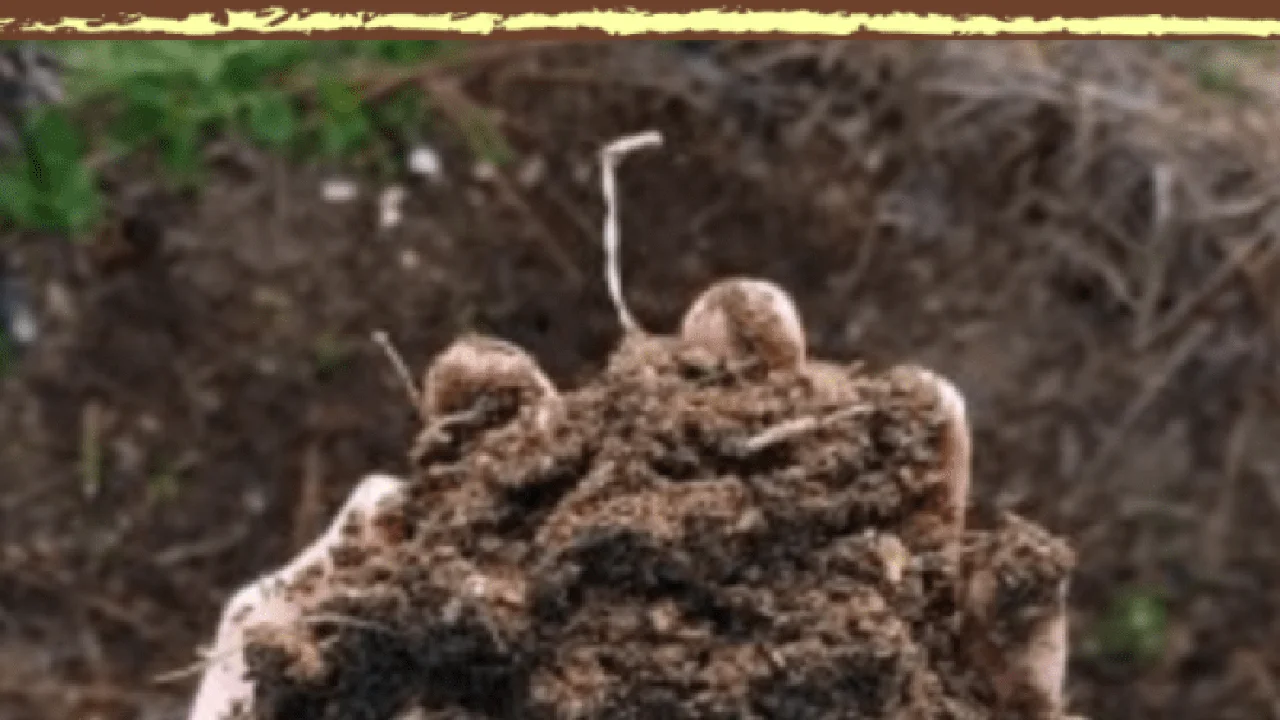
\n\nHow do you know your compost is ready? Finished compost will be dark brown or black, crumbly, and have an earthy, pleasant smell – like fresh forest soil. You shouldn't be able to recognize the original materials you put in (though a few stubborn twigs are fine).\n\n
When to Harvest
\n\nDepending on your method and how actively you manage your pile, compost can be ready in as little as 2-3 months (hot composting) or take up to a year or more (cold composting).\n\n
How to Harvest
\n\nIf you have a single-chamber bin, you can simply dig from the bottom or side, where the oldest, most decomposed material will be. For tumblers, you just empty the finished compost out. If you have a multi-chamber system or a large pile, you can 'sift' your compost using a screen (a simple frame with hardware cloth) to separate any larger, unfinished pieces, which can then go back into your new compost pile.\n\n
Using Your Compost
\n\nThis is the best part – putting that black gold to work in your garden!\n\n* **Soil Amendment:** Mix compost into your garden beds before planting. A layer of 2-4 inches worked into the top 6-8 inches of soil is a great starting point. This improves soil structure, fertility, and water retention.\n\n* **Top Dressing:** Spread a thin layer (1/2 to 1 inch) of compost around the base of existing plants, trees, and shrubs. This acts as a slow-release fertilizer and helps suppress weeds.\n\n* **Potting Mix:** You can mix finished compost with other ingredients like perlite, vermiculite, and peat moss (or coir) to create your own custom potting mix for containers and seed starting. A common ratio is 1 part compost, 1 part perlite/vermiculite, and 1 part peat/coir.\n\n* **Compost Tea:** Steep finished compost in water for a day or two to create a nutrient-rich 'tea' that can be used as a liquid fertilizer for your plants. Just dilute it until it looks like weak tea before applying.\n\nComposting is truly one of the most impactful things you can do as a gardener. It's sustainable, cost-effective, and creates an incredible resource that will make your garden thrive. So, go ahead, pick a method, gather your scraps, and start turning your waste into garden gold. Your plants (and the planet) will thank you for it! Happy composting!
:max_bytes(150000):strip_icc()/277019-baked-pork-chops-with-cream-of-mushroom-soup-DDMFS-beauty-4x3-BG-7505-5762b731cf30447d9cbbbbbf387beafa.jpg)