Learn how to grow majestic sunflowers with these 5 simple steps. A rewarding experience for any beginner.
Learn how to grow majestic sunflowers with these 5 simple steps. A rewarding experience for any beginner.
Growing Sunflowers 5 Simple Steps
Why Grow Sunflowers The Joy and Benefits of Helianthus Annuus
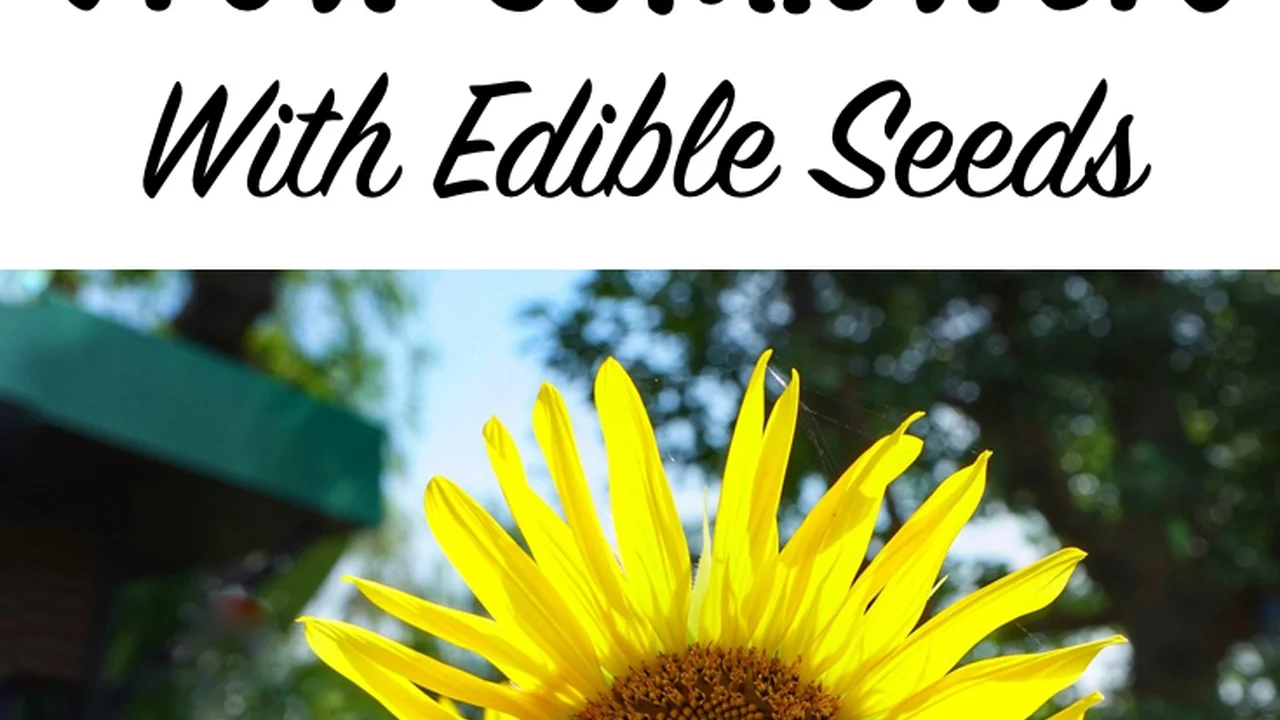
Sunflowers, or Helianthus annuus, are more than just pretty faces in the garden. They are symbols of summer, happiness, and a fantastic addition to any landscape, whether you're a seasoned gardener or just starting out. Their towering height and vibrant, sun-like blooms can transform a dull corner into a spectacular focal point. But beyond their aesthetic appeal, sunflowers offer a surprising array of benefits. They are excellent for attracting pollinators like bees and butterflies, contributing to a healthier garden ecosystem. Their seeds are a nutritious snack for both humans and birds, making them a dual-purpose plant. Plus, growing them is incredibly rewarding, offering a sense of accomplishment as you watch these giants reach for the sky. For beginners, sunflowers are particularly forgiving, making them an ideal choice to build confidence in your gardening journey.
Choosing Your Sunflower Variety Picking the Perfect Helianthus for Your Garden
Before you even think about planting, you need to decide which sunflower variety is right for you. There's a surprising diversity beyond the classic giant yellow bloom. Sunflowers come in various sizes, colors, and even growth habits. Consider your space, desired aesthetic, and what you hope to get from your sunflowers.
Tall Varieties for Dramatic Impact
If you're aiming for those iconic, towering sunflowers, look for varieties like 'Mammoth Grey Stripe' or 'American Giant'. These can easily reach heights of 10-15 feet, creating a stunning backdrop or a natural privacy screen. They typically produce large, single heads packed with seeds.
Dwarf Varieties for Containers and Small Spaces
Don't have a lot of space? No problem! Dwarf varieties like 'Teddy Bear' or 'Sunny Smile' are perfect for pots, balconies, or the front of a flower bed. They usually grow to 2-4 feet tall and often produce multiple, smaller blooms, giving a bushier appearance.
Branching Varieties for Continuous Blooms
Some sunflowers, like 'Autumn Beauty' or 'Lemon Queen', are branching varieties. Instead of one large head, they produce multiple smaller flowers on side branches, extending their blooming season and providing a continuous supply of cut flowers. These often come in a wider range of colors, including reds, bronzes, and bi-colors.
Specific Varieties for Seed Production
If your primary goal is harvesting seeds, 'Mammoth Grey Stripe' is a classic choice due to its large seed heads. 'Black Oil' sunflowers are also popular, especially for birdseed, as their smaller, oil-rich seeds are a favorite among feathered friends.
Step 1: Site Selection and Soil Preparation Finding the Sunny Spot for Your Sunflowers
Sunflowers are, as their name suggests, sun-worshippers. They need at least 6-8 hours of direct sunlight per day to thrive and produce those impressive blooms. So, the first crucial step is choosing the right location in your garden.
The Importance of Full Sun Exposure
Scout your garden throughout the day to identify the sunniest spot. Avoid areas that are heavily shaded by trees, buildings, or other tall plants. While they might tolerate partial shade, their growth will be stunted, and blooms will be less vibrant.
Soil Requirements for Optimal Growth
Sunflowers aren't overly picky about soil, but they do prefer well-draining soil that's not too heavy. A slightly acidic to alkaline pH (6.0 to 7.5) is ideal. If you have heavy clay soil, consider amending it with organic matter like compost or well-rotted manure. This will improve drainage and provide essential nutrients.
Preparing the Soil Bed
Before planting, clear the area of any weeds or debris. Loosen the soil to a depth of about 12-18 inches using a garden fork or tiller. Incorporate a good layer of compost (2-4 inches) into the top 6-8 inches of soil. This will give your sunflowers a nutrient boost and help with drainage. For those with very poor soil, a balanced slow-release granular fertilizer can be mixed in at this stage, following the product's instructions.
Step 2: Planting Your Sunflower Seeds The Right Way to Start
Sunflowers are best grown directly from seed. They don't typically transplant well due to their long taproots. The ideal time to plant is after the last frost has passed and the soil has warmed up, usually late spring or early summer.
Direct Sowing Techniques
Plant seeds about 1 inch deep and 6 inches apart in rows or in groups. If you're planting multiple rows, space them about 2-3 feet apart, depending on the mature size of your chosen variety. For giant varieties, you might want to give them even more space.
Thinning for Stronger Plants
Once your seedlings emerge and are a few inches tall (usually 2-3 weeks after planting), you'll need to thin them. This means removing the weaker seedlings to give the stronger ones enough space and resources to grow. For tall varieties, aim for plants to be 2-3 feet apart. For dwarf varieties, 1 foot apart is usually sufficient. This step is crucial for healthy, robust plants and impressive blooms.
Starting Seeds Indoors (Optional)
While direct sowing is generally recommended, if you have a very short growing season or want to get a head start, you can start sunflower seeds indoors 2-3 weeks before the last frost. Use biodegradable pots (like peat pots or newspaper pots) to minimize root disturbance during transplanting. Plant one seed per pot, about 1 inch deep. Keep the soil consistently moist and provide plenty of light. Harden off the seedlings for a week before transplanting them outdoors.
Step 3: Watering and Fertilizing Nurturing Your Growing Giants
Once your sunflowers are in the ground, consistent care is key to their success. Watering and fertilizing are two of the most important aspects.
Watering Regimen for Sunflowers
Young sunflowers need consistent moisture to establish their root systems. Water deeply and regularly, especially during dry spells. Once they are established and growing taller, their deep taproots make them more drought-tolerant, but they will still benefit from deep watering, especially during flowering. Aim to water at the base of the plant to avoid wetting the foliage, which can encourage fungal diseases. A good rule of thumb is to water when the top inch or two of soil feels dry to the touch.
Fertilizing for Robust Growth and Blooms
If you've amended your soil with compost, your sunflowers might not need much additional fertilizer. However, if your soil is poor or you want to encourage maximum growth, a balanced fertilizer can be beneficial. Avoid high-nitrogen fertilizers, as these can promote leafy growth at the expense of flowers. Instead, opt for a fertilizer with a higher phosphorus and potassium content, which supports flowering and seed production.
Consider a slow-release granular fertilizer applied at planting time, or a liquid feed every 2-4 weeks once the plants are established. Always follow the product's instructions carefully to avoid over-fertilizing, which can burn the roots.
Step 4: Support and Pest Control Protecting Your Sunflower Investment
As your sunflowers grow taller, especially the giant varieties, they may need some support to prevent them from toppling over in strong winds or heavy rain. You'll also want to keep an eye out for common pests.
Providing Support for Tall Sunflowers
For varieties that grow over 6 feet tall, staking is highly recommended. You can use sturdy bamboo stakes, metal rebar, or even strong wooden posts. Drive the stake into the ground about 6-12 inches away from the plant, being careful not to damage the roots. Loosely tie the sunflower stem to the stake using soft ties, old nylons, or garden twine. Avoid tying too tightly, as this can constrict the stem and hinder growth. As the plant grows, add more ties higher up the stem.
Common Pests and Diseases
Sunflowers are generally quite resilient, but they can occasionally fall victim to pests or diseases.
* Aphids: Small, soft-bodied insects that cluster on new growth and the undersides of leaves. They can be dislodged with a strong spray of water or treated with insecticidal soap.
* Sunflower Moth: The larvae of this moth can bore into the flower heads, damaging seeds. Look for webbing and frass (insect droppings) on the flower head. Organic solutions include Bacillus thuringiensis (Bt).
* Birds: As the seeds mature, birds can become a significant pest. Consider covering the ripening heads with netting or paper bags to protect your harvest.
* Powdery Mildew: A fungal disease that appears as a white, powdery coating on leaves. Ensure good air circulation and avoid overhead watering. Fungicides can be used in severe cases.
Organic Pest Control Solutions
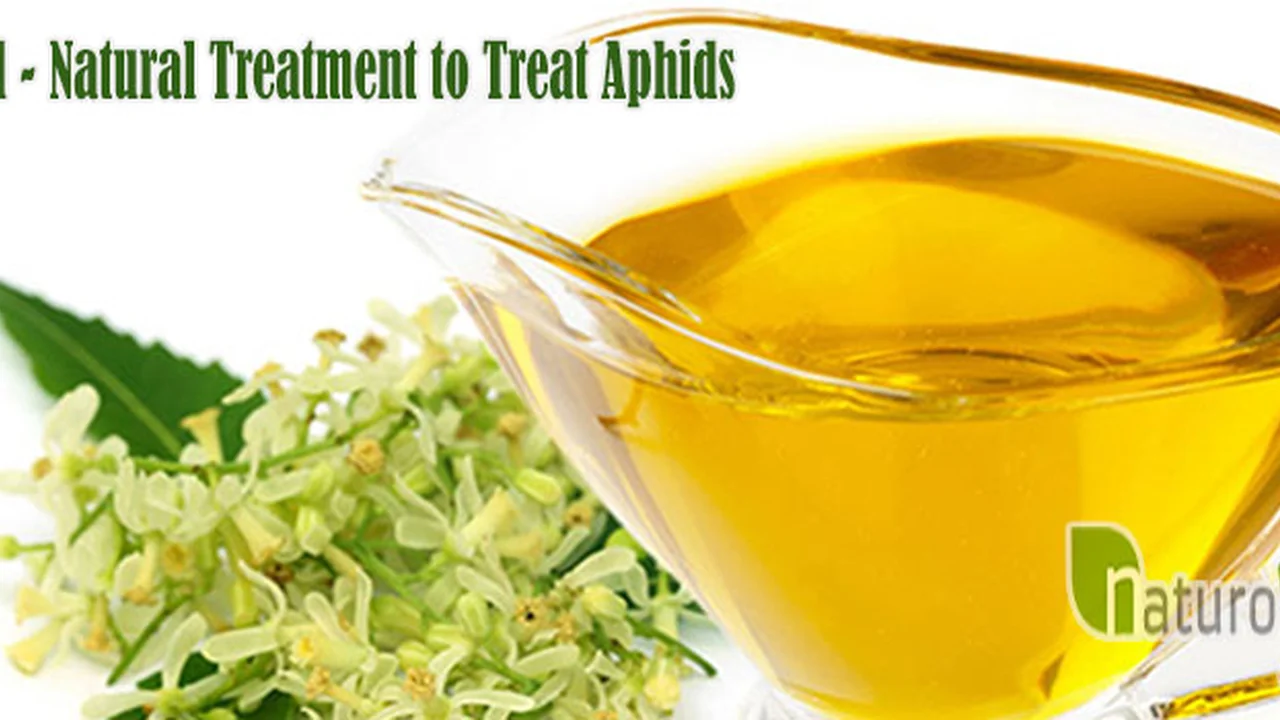
For most pest issues, starting with organic and non-toxic methods is best. Introduce beneficial insects like ladybugs, use neem oil spray, or simply hand-pick larger pests. Maintaining a healthy garden ecosystem will naturally deter many problems.
Step 5: Harvesting and Enjoying Your Sunflowers Reaping the Rewards
The most exciting part of growing sunflowers is enjoying their magnificent blooms and, if you choose, harvesting their delicious seeds.
When to Harvest Sunflower Seeds
Sunflower seeds are ready for harvest when the back of the flower head turns yellow and then brown, and the seeds look plump and mature. The petals will dry and fall off, and the head will start to droop. This usually happens 30-45 days after the flower blooms. You might also notice birds starting to show interest in the heads – a good sign they're ripening!
How to Harvest Sunflower Seeds
Cut the flower head with about a foot of stem attached. Hang the heads upside down in a warm, dry, well-ventilated area, away from rodents and insects. A garage, shed, or attic works well. Place a tray or cloth underneath to catch any loose seeds. Once the heads are completely dry (this can take several weeks), you can easily remove the seeds by rubbing two heads together, or by hand with a stiff brush.
Storing Sunflower Seeds
Ensure the seeds are completely dry before storing them to prevent mold. Store them in airtight containers in a cool, dark, dry place. They can last for several months this way.
Enjoying Your Sunflowers
Beyond seeds, sunflowers make stunning cut flowers. Harvest them in the morning after the dew has dried, when the blooms are just starting to open. Place them immediately in water. You can also leave the spent heads in the garden for birds to enjoy throughout the fall and winter.
Recommended Products for Sunflower Success Enhancing Your Growing Experience
To give your sunflowers the best start and ensure a bountiful harvest, here are some product recommendations, including specific brands and their uses. Prices are approximate and can vary by retailer and region.
Soil Amendments and Fertilizers
* Espoma Organic Garden-tone (5-3-3): This is a fantastic all-purpose organic fertilizer that provides a balanced nutrient profile. While it's not specifically high in phosphorus or potassium, its organic nature promotes overall soil health, which is crucial for strong sunflower growth. It's slow-release, so it feeds plants gradually.
* Use Case: Mix into the soil at planting time or side-dress established plants.
* Comparison: Better for long-term soil health than synthetic fertilizers. Less risk of burning plants.
* Approx. Price: $20-$30 for an 8lb bag.
* Jobe's Organics Bone Meal (3-15-0): Bone meal is an excellent source of phosphorus, which is vital for strong root development and flowering. It's a slow-release organic amendment.
* Use Case: Mix into the planting hole when sowing seeds or transplanting.
* Comparison: More targeted for root and flower development than general fertilizers.
* Approx. Price: $15-$25 for a 4lb bag.
* Compost: While not a specific brand, investing in or making your own high-quality compost is paramount. Brands like 'Black Gold Organic Compost' or local nursery compost are great.
* Use Case: Mix generously into your garden beds before planting.
* Comparison: The ultimate soil amendment, improving structure, drainage, and nutrient retention. Superior to synthetic options for long-term soil health.
* Approx. Price: $5-$10 per cubic foot bag.
Staking and Support Systems
* Gardener's Supply Company Heavy-Duty Steel Stakes: These are durable, reusable stakes that can withstand strong winds. They come in various heights, perfect for giant sunflowers.
* Use Case: Provide sturdy support for tall sunflower varieties.
* Comparison: More robust and long-lasting than bamboo stakes.
* Approx. Price: $5-$10 per stake, depending on height.
* Velcro Brand Garden Ties: These soft, reusable ties are gentle on plant stems and easy to adjust as the plant grows.
* Use Case: Secure sunflower stems to stakes without causing damage.
* Comparison: Much better than string or wire, which can cut into stems.
* Approx. Price: $8-$15 for a 75ft roll.
Pest and Disease Management
* Bonide All Seasons Horticultural and Dormant Spray Oil: This is a versatile organic spray that smothers a variety of soft-bodied insects like aphids and spider mites.
* Use Case: Apply as a preventative or at the first sign of pests.
* Comparison: Safer for beneficial insects and the environment than synthetic pesticides.
* Approx. Price: $15-$25 for a quart concentrate.
* Safer Brand Insect Killing Soap: Another excellent organic option for controlling aphids, whiteflies, and other common garden pests.
* Use Case: Spray directly onto affected plants, ensuring good coverage.
* Comparison: Works on contact and breaks down quickly, leaving no harmful residue.
* Approx. Price: $10-$20 for a 32oz ready-to-use spray.
* Bird Netting (e.g., Dalen Gardeneer Netting): Essential for protecting ripening sunflower heads from hungry birds.
* Use Case: Drape over maturing sunflower heads and secure.
* Comparison: Physical barrier is the most effective and humane way to deter birds.
* Approx. Price: $10-$20 for a 7ft x 20ft roll.
Gardening Tools
* Fiskars Ergo Trowel: A comfortable and durable trowel is essential for planting seeds and small seedlings.
* Use Case: Digging small holes for seeds, mixing amendments.
* Comparison: Ergonomic design reduces hand fatigue.
* Approx. Price: $10-$15.
* Corona Forged Bypass Pruners: High-quality pruners are useful for cutting flower heads for harvest or deadheading.
* Use Case: Cleanly cutting sunflower stems.
* Comparison: Sharp blades make clean cuts, promoting plant health.
* Approx. Price: $25-$40.
Troubleshooting Common Sunflower Problems What to Do When Things Go Wrong
Even with the best intentions, sometimes things don't go exactly as planned. Here are some common issues you might encounter with sunflowers and how to address them.
Sunflowers Not Growing Tall Enough
* Cause: Insufficient sunlight, poor soil, or overcrowding.
* Solution: Ensure they receive at least 6-8 hours of direct sun. Amend soil with compost. Thin seedlings to appropriate spacing.
No Flowers or Small Flowers
* Cause: Too much nitrogen fertilizer (promotes leafy growth), not enough sun, or insufficient phosphorus/potassium.
* Solution: Use a balanced fertilizer or one higher in phosphorus and potassium. Ensure full sun. Consider a soil test to check nutrient levels.
Leaves Turning Yellow
* Cause: Overwatering, underwatering, or nutrient deficiency (often nitrogen or iron).
* Solution: Check soil moisture before watering. Ensure good drainage. If soil is consistently wet, reduce watering. If dry, water deeply. Consider a balanced liquid feed or iron supplement if deficiency is suspected.
Drooping Leaves
* Cause: Usually underwatering, but can also be overwatering (roots suffocating).
* Solution: Check soil moisture. If dry, water immediately. If wet, allow soil to dry out before watering again. Ensure good drainage.
Holes in Leaves or Chewed Foliage
* Cause: Pests like caterpillars, grasshoppers, or slugs.
* Solution: Inspect plants regularly. Hand-pick larger pests. Use organic pest control methods like insecticidal soap or neem oil. For slugs, use beer traps or diatomaceous earth.
Flower Heads Rotting
* Cause: Fungal diseases, often due to excessive moisture or poor air circulation.
* Solution: Avoid overhead watering, especially as heads mature. Ensure good air circulation by proper spacing. Remove affected parts immediately. In severe cases, a fungicide might be necessary.
Beyond the Basics Creative Ways to Enjoy Your Sunflowers
Once you've mastered the art of growing sunflowers, there are many ways to enjoy their beauty and bounty.
Sunflower Mazes and Walls
For a truly spectacular display, plant tall sunflower varieties in rows to create a living maze or a vibrant privacy wall. This is especially fun for kids and creates a unique garden feature.
Cut Flower Arrangements
Branching varieties are perfect for continuous cutting. Bring the sunshine indoors by creating stunning floral arrangements with your homegrown sunflowers. Pair them with other summer blooms like zinnias or cosmos.
Homemade Roasted Sunflower Seeds
Harvesting and roasting your own sunflower seeds is incredibly satisfying. After drying, you can roast them with a little salt for a healthy and delicious snack. Experiment with different seasonings like garlic powder, paprika, or chili powder.
Bird Feeder Alternative
Leave some of the mature sunflower heads on the stalks for birds to enjoy directly. This provides a natural food source for local wildlife throughout the fall and winter, attracting a variety of feathered friends to your garden.
Sunflower Oil and Meal
For the more adventurous, if you grow a large enough crop of oilseed varieties (like 'Black Oil'), you can explore pressing your own sunflower oil or using the leftover meal as a high-protein animal feed or soil amendment.
Growing sunflowers is a journey that offers beauty, sustenance, and a deep connection to nature. With these simple steps and a little care, you'll be enjoying your own majestic sunflowers in no time.
:max_bytes(150000):strip_icc()/277019-baked-pork-chops-with-cream-of-mushroom-soup-DDMFS-beauty-4x3-BG-7505-5762b731cf30447d9cbbbbbf387beafa.jpg)