Top 10 Easiest Vegetables to Grow for Beginners
Start your vegetable garden with these 10 easy-to-grow vegetables. Perfect for new gardeners seeking quick success.

Start your vegetable garden with these 10 easy-to-grow vegetables. Perfect for new gardeners seeking quick success.
Top 10 Easiest Vegetables to Grow for Beginners
So, you've decided to dip your toes into the wonderful world of vegetable gardening? That's fantastic! It's a rewarding hobby that connects you with nature, provides fresh, healthy food, and can even be a great stress reliever. But let's be honest, when you're just starting out, the sheer number of options can feel overwhelming. What should you plant first? What won't die on you after a week? Don't worry, we've got you covered. This guide focuses on the absolute easiest vegetables to grow, perfect for beginners who want to see quick success and build confidence. We'll dive into why they're easy, how to grow them, and even recommend some specific products to get you started.
Leafy Greens Your Quickest Harvest Heroes
When it comes to instant gratification in the garden, leafy greens are your best friends. They grow quickly, don't demand much, and you can often harvest them multiple times. Plus, who doesn't love fresh salad?
Lettuce Growing Lettuce for Beginners
Lettuce is a superstar for new gardeners. It's forgiving, grows fast, and you can harvest outer leaves as needed, allowing the plant to continue producing. It prefers cooler weather, so spring and fall are ideal planting times. Look for loose-leaf varieties like 'Black Seeded Simpson' or 'Buttercrunch' for the easiest experience.
Why Lettuce is Easy to Grow
- Quick Germination: Seeds sprout in just 7-10 days.
- Fast Growth: Ready for harvest in 30-60 days, depending on the variety.
- Cut-and-Come-Again: Harvest outer leaves, and the plant keeps producing.
- Container Friendly: Thrives in pots, making it great for small spaces.
How to Grow Lettuce
Plant seeds about 1/4 inch deep and 1 inch apart in rows, or scatter them for a denser patch. Once seedlings emerge, thin them to 6-12 inches apart, depending on the mature size of the variety. Keep the soil consistently moist, especially during warmer periods. Lettuce prefers partial shade in hot climates to prevent bolting (going to seed).
Recommended Lettuce Products for Beginners
- Burpee Organic Lettuce 'Black Seeded Simpson' Seeds: A classic, reliable loose-leaf variety. Easy to find online or at garden centers. (Approx. $3.50 - $5.00 per packet)
- Ferry-Morse Lettuce 'Buttercrunch' Seeds: Another excellent choice for its buttery texture and heat tolerance. (Approx. $3.00 - $4.50 per packet)
- Jiffy Peat Pellets: Great for starting seeds indoors before transplanting. (Approx. $10 - $15 for a pack of 50)
Spinach Growing Spinach for Health and Ease
Spinach is another cool-season champion. It's packed with nutrients and incredibly easy to grow, offering a continuous supply of fresh leaves for salads, smoothies, or cooking.
Why Spinach is Easy to Grow
- Cold Tolerant: Can handle light frosts, extending its growing season.
- Quick Harvest: Baby leaves can be ready in as little as 30 days.
- Versatile: Great for both raw and cooked dishes.
How to Grow Spinach
Sow seeds 1/2 inch deep and 1 inch apart. Thin seedlings to 4-6 inches apart. Like lettuce, spinach thrives in consistently moist soil and prefers cooler temperatures. Provide some afternoon shade if your climate gets hot quickly in spring.
Recommended Spinach Products for Beginners
- Botanical Interests 'Bloomsdale Long Standing' Spinach Seeds: A popular, reliable variety known for its crinkled leaves and good flavor. (Approx. $3.75 - $5.25 per packet)
- Espoma Organic Garden-tone Plant Food: A good all-purpose organic fertilizer to give your leafy greens a boost. (Approx. $15 - $20 for a 4lb bag)
Root Vegetables The Hidden Gems
Don't let the idea of growing underground intimidate you. Many root vegetables are surprisingly simple and incredibly rewarding to pull from the earth.
Radishes Growing Radishes Fast and Fun
Radishes are the sprinters of the vegetable garden. They go from seed to harvest in an astonishingly short amount of time, making them perfect for impatient beginners (and kids!).
Why Radishes are Easy to Grow
- Super Fast: Some varieties are ready in just 20-30 days.
- Small Space Friendly: Don't need much room.
- Distinctive Flavor: Adds a peppery kick to salads.
How to Grow Radishes
Sow seeds 1/2 inch deep and 1 inch apart. Thin to 2-3 inches apart once seedlings appear. Radishes need consistent moisture to develop properly and prevent them from becoming woody or too spicy. Plant small batches every week or two for a continuous harvest.
Recommended Radish Products for Beginners
- American Seed 'Cherry Belle' Radish Seeds: A classic, round, red radish that grows quickly. (Approx. $2.00 - $3.50 per packet)
- Seed Tape (various brands): If you struggle with spacing small seeds, radish seed tape can be a lifesaver. (Approx. $5 - $8 per roll)
Carrots Growing Carrots for Sweet Rewards
While they take a little longer than radishes, carrots are incredibly satisfying to grow. The key is loose, well-draining soil. If your soil is heavy clay, consider growing shorter varieties or in raised beds.
Why Carrots are Easy to Grow
- High Yield: A small patch can produce many carrots.
- Long Storage: Store well in the fridge or root cellar.
- Kid-Friendly: Kids love pulling them from the ground.
How to Grow Carrots
Sow seeds 1/4 inch deep and 1 inch apart. Thin seedlings to 2-4 inches apart, depending on the variety. Ensure the soil is free of rocks and clumps, which can cause carrots to fork. Keep the soil consistently moist, especially during germination.
Recommended Carrot Products for Beginners
- Botanical Interests 'Danvers 126' Carrot Seeds: A reliable, medium-length carrot that adapts well to various soil types. (Approx. $3.75 - $5.25 per packet)
- Garden Weasel Cultivator: Great for loosening soil before planting root vegetables. (Approx. $30 - $40)
Fruiting Vegetables The Garden's Bounty
These are the plants that give you the classic garden produce – tomatoes, cucumbers, and beans. While they might need a little more space or support, they are still very beginner-friendly.
Bush Beans Growing Bush Beans for Abundant Harvests
Bush beans are a fantastic choice because they don't require trellising (unlike pole beans) and produce a generous harvest in a relatively short time. They're also nitrogen-fixers, which means they actually improve your soil!
Why Bush Beans are Easy to Grow
- No Trellis Needed: Compact growth habit.
- High Yield: Produce many beans from a few plants.
- Soil Improvers: Add nitrogen to the soil.
How to Grow Bush Beans
Plant seeds 1 inch deep and 3-4 inches apart after all danger of frost has passed. Beans love warm soil. Keep the soil consistently moist, especially when flowers are forming and pods are developing. Harvest frequently to encourage more production.
Recommended Bush Bean Products for Beginners
- Burpee 'Provider' Bush Bean Seeds: A very popular and reliable green bean variety known for its early production and disease resistance. (Approx. $3.50 - $5.00 per packet)
- Garden Gloves (various brands): Protect your hands while harvesting. Look for breathable, durable options like the Atlas Nitrile Touch gloves. (Approx. $8 - $12)
Cucumbers Growing Cucumbers for Refreshing Treats
Cucumbers are prolific growers, and while vining varieties can take up a lot of space, bush varieties are perfect for containers or smaller gardens. They love warmth and consistent moisture.
Why Cucumbers are Easy to Grow
- Fast Growing: Produce fruit quickly once established.
- High Yield: One plant can give you many cucumbers.
- Versatile: Great for salads, pickling, or snacking.
How to Grow Cucumbers
Plant seeds 1 inch deep and 3-4 feet apart for vining types, or 1-2 feet apart for bush varieties. Provide a trellis or cage for vining cucumbers to save space and keep fruit clean. Water deeply and consistently, especially during fruiting. Yellowing leaves can often indicate a need for more water or nutrients.
Recommended Cucumber Products for Beginners
- Botanical Interests 'Bush Crop' Cucumber Seeds: A compact bush variety perfect for smaller gardens or containers. (Approx. $3.75 - $5.25 per packet)
- Gardener's Supply Company Cucumber Trellis: A sturdy option for supporting vining cucumbers. (Approx. $25 - $40)
Zucchini Growing Zucchini The Prolific Producer
Zucchini is famous (or infamous!) for its incredible productivity. Plant just one or two plants, and you'll likely have more zucchini than you know what to do with. It's a great confidence booster for new gardeners.
Why Zucchini is Easy to Grow
- Extremely Prolific: Produces a huge harvest.
- Fast Growing: Fruits develop quickly.
- Versatile: Can be grilled, baked, sautéed, or even made into 'zoodles'.
How to Grow Zucchini
Plant seeds 1 inch deep and 2-3 feet apart. Zucchini plants get large, so give them plenty of space. They are heavy feeders, so amend your soil with compost before planting. Water deeply and consistently. Harvest when fruits are 6-8 inches long for the best flavor and to encourage more production.
Recommended Zucchini Products for Beginners
- Ferry-Morse 'Black Beauty' Zucchini Seeds: A classic, reliable, and high-yielding variety. (Approx. $3.00 - $4.50 per packet)
- Miracle-Gro Shake 'n Feed Tomato, Fruits & Vegetables Plant Food: A good granular fertilizer for fruiting plants. (Approx. $10 - $15 for a 4.5lb container)
Herbs The Aromatic Additions
Herbs are incredibly easy to grow, whether in pots on a windowsill or directly in the garden. They add flavor to your cooking and often have beautiful foliage.
Basil Growing Basil for Fresh Flavor
Basil is a warm-weather herb that's a must-have for any kitchen garden. Its aromatic leaves are perfect for pesto, salads, and Italian dishes.
Why Basil is Easy to Grow
- Fast Growing: Ready for harvest in a few weeks.
- Container Friendly: Thrives in pots.
- Fragrant: Adds a lovely aroma to your garden.
How to Grow Basil
Plant seeds 1/4 inch deep after all danger of frost has passed and temperatures are consistently warm. Basil loves full sun and well-draining soil. Pinch off the top sets of leaves regularly to encourage bushier growth and prevent flowering (which can make the leaves bitter).
Recommended Basil Products for Beginners
- Botanical Interests 'Genovese' Basil Seeds: The classic large-leaf Italian basil, perfect for pesto. (Approx. $3.75 - $5.25 per packet)
- FoxFarm Ocean Forest Potting Soil: A high-quality potting mix that's great for herbs in containers. (Approx. $20 - $25 for a 1.5 cu ft bag)
Other Easy-Peasy Veggies to Consider
Beyond the top picks, here are a couple more incredibly forgiving vegetables that deserve a spot in your beginner garden.
Green Onions Scallions The Ever-Ready Allium
Green onions, or scallions, are incredibly simple to grow and can even be regrown from kitchen scraps! They add a mild onion flavor to many dishes.
Why Green Onions are Easy to Grow
- Regrowable: Can be regrown from store-bought scraps.
- Quick Harvest: Ready in a few weeks.
- Small Space Friendly: Great for pots or tight spots.
How to Grow Green Onions
You can plant seeds 1/2 inch deep, or simply place the white root ends of store-bought green onions in a shallow glass of water. Once roots develop, plant them in soil about 1 inch deep and 1-2 inches apart. Harvest by snipping off the green tops as needed.
Recommended Green Onion Products for Beginners
- True Leaf Market 'Evergreen Bunching' Onion Seeds: A reliable variety for continuous harvests. (Approx. $3.00 - $4.50 per packet)
- Small Planter Pots (various brands): Any small pot with drainage holes will work for growing green onions. (Approx. $5 - $10 for a set of small pots)
Cherry Tomatoes Growing Cherry Tomatoes for Sweet Snacking
While larger tomatoes can be a bit more demanding, cherry tomatoes are surprisingly resilient and incredibly prolific. They're perfect for snacking right off the vine.
Why Cherry Tomatoes are Easy to Grow
- High Yield: Produce tons of small, sweet fruits.
- Forgiving: More tolerant of beginner mistakes than larger varieties.
- Container Friendly: Many varieties do well in large pots.
How to Grow Cherry Tomatoes
Start with a healthy seedling from a nursery. Plant it deeply, burying part of the stem, which encourages more root growth. Provide a sturdy stake or cage for support as the plant grows. Tomatoes are heavy feeders and love full sun. Water consistently and deeply, especially during hot weather and when fruits are forming.
Recommended Cherry Tomato Products for Beginners
- Bonnie Plants 'Sungold' Cherry Tomato Plant: A very popular and incredibly sweet hybrid cherry tomato. Look for live plants at your local nursery. (Approx. $4 - $6 per plant)
- Tomato Cages (various brands): Essential for supporting your tomato plants. Look for sturdy, galvanized steel cages. (Approx. $10 - $20 per cage)
- Jobe's Organics Tomato Fertilizer Spikes: Easy to use, slow-release fertilizer for tomatoes. (Approx. $8 - $12 per pack)
Essential Tips for Beginner Vegetable Gardeners
Beyond choosing the right plants, a few fundamental practices will set you up for success.
Sunlight The Golden Rule of Gardening
Most vegetables need at least 6-8 hours of direct sunlight per day. Observe your garden space throughout the day to identify the sunniest spots. If you have less sun, focus on leafy greens and root vegetables, which can tolerate partial shade.
Soil Matters Building a Healthy Foundation
Good soil is the foundation of a successful garden. It should be well-draining but also retain moisture and nutrients. If you're planting in the ground, amend your native soil with plenty of compost. For containers, use a high-quality potting mix.
Recommended Soil Products for Beginners
- Compost (local garden center or make your own): The ultimate soil amendment. (Approx. $5 - $10 per bag, or free if you compost at home!)
- Miracle-Gro Potting Mix: A widely available and reliable potting mix for containers. (Approx. $10 - $15 for a 1.5 cu ft bag)
Watering Consistency is Key
New gardeners often struggle with watering. The general rule is to water deeply and less frequently, rather than shallowly and often. This encourages roots to grow deeper. Stick your finger into the soil; if it feels dry an inch or two down, it's time to water. Early morning is usually the best time to water.
Recommended Watering Products for Beginners
- Dramm One Touch Rain Wand: A high-quality watering wand that provides a gentle shower, perfect for delicate plants. (Approx. $30 - $40)
- Gilmour Flexogen Super Duty Garden Hose: A durable, kink-resistant hose that will last for years. (Approx. $40 - $70 depending on length)
Pest and Disease Management Simple Solutions
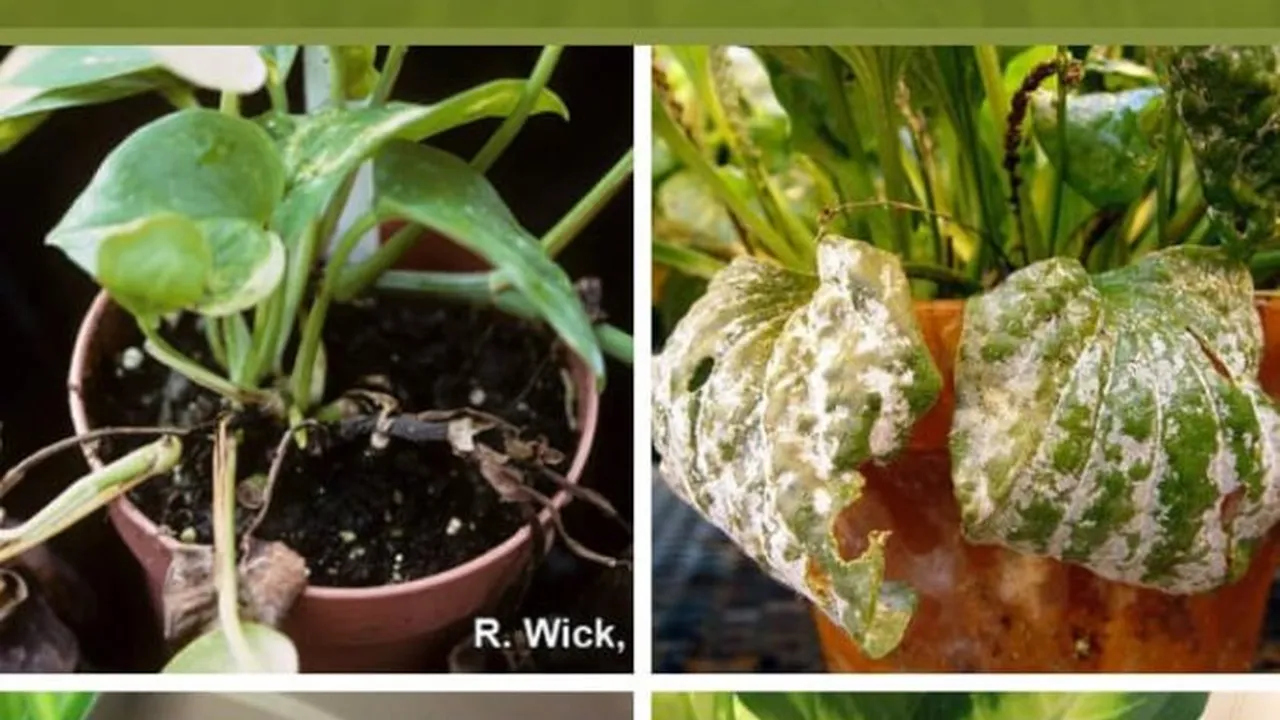
Don't panic if you see a few bugs or a spot on a leaf. Most common issues can be managed with simple, organic methods. Regular observation is your best tool. Catch problems early!
Recommended Pest Control Products for Beginners
- Neem Oil Spray (e.g., Garden Safe Brand Fungicide3): An organic, multi-purpose spray for common pests and diseases. (Approx. $10 - $15)
- Insecticidal Soap (e.g., Safer Brand Insect Killing Soap): Effective against soft-bodied insects like aphids. (Approx. $8 - $12)
Comparing Product Options and Price Points
When you're just starting out, it's easy to get overwhelmed by the sheer number of gardening products available. Here's a quick comparison of some common choices and their typical price ranges, helping you decide where to invest your gardening budget.
Seeds vs. Seedlings
- Seeds:
- Pros: Much cheaper (typically $2-$5 per packet), wider variety of options, satisfying to watch grow from scratch.
- Cons: Requires more patience, some seeds can be tricky to germinate, need to start indoors for many plants.
- Best for: Leafy greens, beans, radishes, carrots, basil.
- Seedlings (Starter Plants):
- Pros: Instant gratification, bypasses the tricky germination phase, often more robust initially.
- Cons: More expensive (typically $4-$8 per plant), limited variety, can be prone to transplant shock if not handled carefully.
- Best for: Tomatoes, peppers, cucumbers, zucchini (especially if you only need a few plants).
Basic Tools vs. Advanced Tools
- Hand Trowel:
- Basic: Plastic handle, stamped metal blade. (Approx. $5 - $10) - Good for light digging, but can bend or break with heavy use.
- Better: Ergonomic handle, stainless steel or forged blade. (Approx. $15 - $30) - More durable, comfortable, and efficient for long-term use.
- Pruners/Shears:
- Basic: Simple bypass pruners. (Approx. $10 - $20) - Fine for small stems, but can dull quickly.
- Better: High-quality bypass pruners (e.g., Felco, Fiskars). (Approx. $30 - $60) - Sharper, more durable, often have replaceable parts, making clean cuts that are better for plant health.
Fertilizers Organic vs. Synthetic
- Organic Fertilizers (e.g., Espoma, Jobe's Organics):
- Pros: Improve soil health over time, release nutrients slowly, less risk of burning plants, environmentally friendly.
- Cons: Can be more expensive, may have a slight odor, results can be slower.
- Price: Approx. $15 - $25 for a 4-5lb bag.
- Synthetic Fertilizers (e.g., Miracle-Gro, Scotts):
- Pros: Fast-acting, precise nutrient ratios, generally cheaper.
- Cons: Can harm soil microbes, risk of burning plants if over-applied, can leach into waterways.
- Price: Approx. $10 - $20 for a 4-5lb bag.
For beginners, starting with organic options is often recommended as they are more forgiving and build healthier soil in the long run. However, synthetic options can provide a quick boost if a plant is struggling.
Remember, gardening is a journey of learning and experimentation. Don't be afraid to try new things, and most importantly, enjoy the process of growing your own food!
:max_bytes(150000):strip_icc()/277019-baked-pork-chops-with-cream-of-mushroom-soup-DDMFS-beauty-4x3-BG-7505-5762b731cf30447d9cbbbbbf387beafa.jpg)