Watering Systems for Beginners 4 Easy Choices
Learn about 4 simple watering systems perfect for new gardeners. Ensure your plants get the right amount of hydration effortlessly.
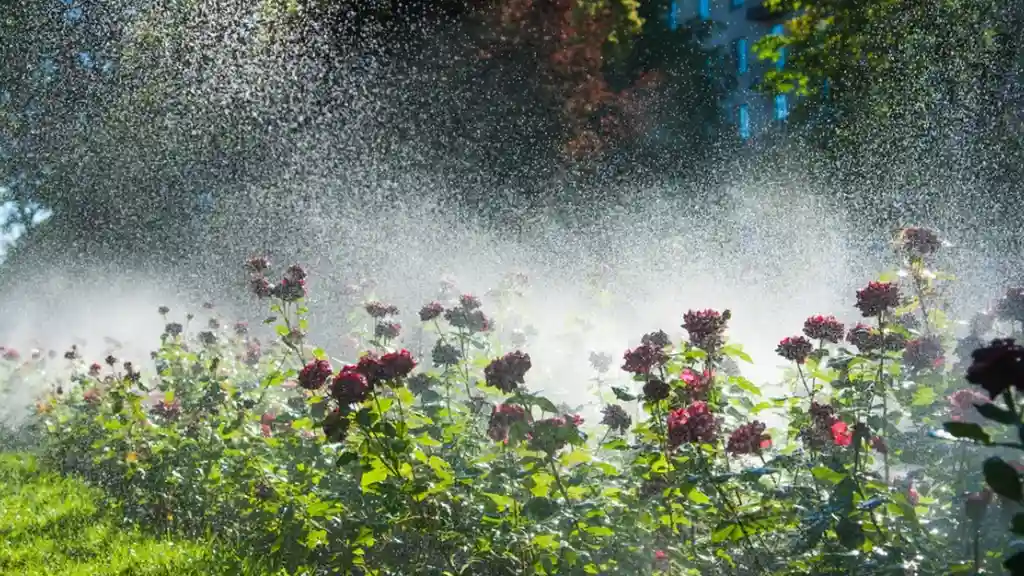
Learn about 4 simple watering systems perfect for new gardeners. Ensure your plants get the right amount of hydration effortlessly.
Watering Systems for Beginners 4 Easy Choices
Hey there, fellow green thumbs! So, you've got your garden bed set up, your seeds are in the ground, or your seedlings are happily nestled in their new homes. Now comes one of the most crucial parts of gardening: watering. It sounds simple, right? Just add water! But getting it right can make all the difference between a thriving garden and a struggling one. Overwatering can lead to root rot, while underwatering leaves your plants thirsty and stressed. The good news is, there are several easy-to-use watering systems that can take the guesswork out of it, especially for us beginners. Let's dive into four fantastic options that will help you keep your plants perfectly hydrated without turning watering into a chore.
Understanding Your Garden's Hydration Needs Why Proper Watering Matters
Before we get into the systems, let's quickly chat about why proper watering is so vital. Plants need water for photosynthesis, nutrient transport, and maintaining their structure. Think of water as the lifeblood of your garden. Different plants have different needs, and even the same plant might need more water on a hot, sunny day than on a cool, cloudy one. The goal is consistent moisture, not soggy soil or bone-dry conditions. These systems help achieve that consistency, saving you time and often, water!
Option 1 The Classic Watering Can Your First Garden Friend
Ah, the humble watering can. It's where most of us start, and for good reason! It's simple, affordable, and gives you direct control. It's perfect for small gardens, container plants, or for giving specific plants a little extra drink. You can easily see how much water you're giving each plant, which is great for learning their individual needs.
Pros of Using a Watering Can for Beginner Gardeners
- Affordable and Accessible: You can find them almost anywhere, and they won't break the bank.
- Direct Control: You decide exactly where and how much water goes. Great for delicate seedlings or specific plant needs.
- No Setup Required: Just fill it up and go!
- Good for Small Spaces: Ideal for balconies, patios, or small raised beds.
Cons of Using a Watering Can for Larger Gardens
- Time-Consuming: For anything beyond a few pots, it becomes a real workout and takes a lot of time.
- Inconsistent Watering: It's easy to miss spots or overwater others, leading to uneven moisture.
- Physical Effort: Carrying heavy cans can be tiring, especially if you have mobility issues.
Recommended Watering Cans for Beginners
When choosing a watering can, look for one with a comfortable handle and a good rose (the sprinkler head) that provides a gentle, even shower. Plastic ones are lighter, while metal ones are more durable and often look nicer.
- Bloem Easy Pour Watering Can (2 Gallon): This is a fantastic starter. It's lightweight plastic, has a comfortable handle, and the dual-handle design makes pouring easy. The rose provides a gentle shower, perfect for seedlings. You can usually find this for around $15-$20.
- Behrens Galvanized Steel Watering Can (2.5 Gallon): If you want something more durable and aesthetically pleasing, this metal can is a classic. It's heavier when full but built to last. Expect to pay around $30-$40.
Option 2 Soaker Hoses The Efficient Water Saver
Soaker hoses are a game-changer for garden beds and rows of plants. These hoses are porous, meaning they slowly weep water directly into the soil along their entire length. This method is incredibly efficient because it delivers water right to the plant roots, minimizing evaporation and runoff. It's like a gentle, continuous rain right where your plants need it most.
Benefits of Soaker Hoses for Root Zone Watering
- Water Efficiency: Significantly reduces water waste by delivering water directly to the root zone.
- Prevents Fungal Diseases: Keeps foliage dry, which helps prevent common fungal issues like powdery mildew.
- Low Maintenance: Once set up, you just turn on the spigot.
- Consistent Moisture: Provides a steady, even supply of water to your plants.
- Good for Rows: Ideal for vegetable gardens or long flower beds.
Considerations for Soaker Hose Installation
- Initial Setup: Requires a bit of planning to lay them out correctly.
- Pressure Sensitivity: Too much water pressure can cause them to burst or water unevenly. A pressure regulator might be needed.
- Not Ideal for Scattered Plants: Best for plants in rows or closely spaced beds.
Top Soaker Hose Recommendations for Beginners
Look for soaker hoses made from recycled rubber or polyurethane. The length you need will depend on your garden size. You can connect multiple hoses with connectors.
- Gilmour Flat Soaker Hose (50 ft): This is a popular choice for its flat design, which makes it easy to lay out and store. It's made from recycled rubber and provides even watering. A 50-foot hose typically costs around $20-$30.
- Water Right Soaker Hose (50 ft): This one is made from polyurethane, which is more flexible and less prone to kinking. It's also drinking water safe, which is a nice bonus if you're concerned about chemicals. Expect to pay around $40-$50 for a 50-foot length.
- Dramm ColorStorm Premium Soaker Hose (50 ft): Known for its durability and vibrant colors, this hose is made from EPDM rubber and is designed for long-term use. It's a bit pricier, usually $50-$60 for 50 feet, but it's a solid investment.
Option 3 Drip Irrigation Systems Precision Watering for Every Plant
Drip irrigation is like the sophisticated cousin of the soaker hose. Instead of weeping water along its entire length, a drip system uses a network of tubes, emitters, and drippers to deliver water precisely to the base of each plant. This is incredibly efficient and customizable, allowing you to give each plant exactly what it needs.
Advantages of Drip Irrigation for Targeted Watering
- Maximum Water Efficiency: Virtually no water is lost to evaporation or runoff.
- Highly Customizable: You can tailor water delivery to individual plants or zones.
- Reduces Weeds: Since only the plant roots get water, weeds in between rows don't get the moisture they need to thrive.
- Automated Potential: Easily connect to a timer for hands-off watering.
- Versatile: Works well for raised beds, containers, rows, and irregularly shaped gardens.
Challenges of Drip System Setup and Maintenance
- Initial Setup Complexity: Can be a bit daunting for beginners, as it involves cutting tubing, inserting emitters, and connecting fittings.
- Clogging Issues: Emitters can sometimes get clogged with sediment, requiring occasional cleaning.
- Cost: Can be more expensive upfront than other options, especially for larger systems.
Recommended Drip Irrigation Kits for Beginners
For beginners, starting with a pre-packaged drip irrigation kit is the way to go. They usually include everything you need to get started and come with instructions.
- Rain Bird Drip Irrigation Garden Kit: This kit is designed for small to medium gardens and includes tubing, emitters, and all necessary fittings. It's relatively easy to assemble and expandable. Price typically ranges from $40-$60.
- Orbit Drip Master Drip Irrigation Kit: Another excellent beginner-friendly option, this kit often comes with a pressure regulator and filter, which are crucial for drip systems. It's versatile for various garden layouts. Expect to pay around $35-$55.
- DIG Drip Irrigation Kit for Raised Beds: If you have raised beds, this kit is specifically designed for them, making installation even simpler. It includes pre-cut tubing and emitters suitable for raised bed dimensions. Usually priced around $30-$50.
Option 4 Self-Watering Planters and Wicking Beds The Set-It-and-Forget-It Solution
For container gardeners or those looking for ultimate convenience, self-watering planters and wicking beds are fantastic. These systems have a built-in reservoir at the bottom that holds water, and a wicking system (usually a wicking fabric or soil column) draws water up to the plant roots as needed. This means your plants get a consistent supply of moisture, and you don't have to water as frequently.
Advantages of Self-Watering Systems for Busy Gardeners
- Reduced Watering Frequency: You might only need to refill the reservoir every few days or even weeks, depending on the plant and weather.
- Consistent Moisture: Plants get water as they need it, preventing both over and underwatering.
- Nutrient Efficiency: Nutrients aren't washed away as easily.
- Great for Travel: Perfect if you're away for a few days.
- Ideal for Containers: Excellent for patios, balconies, and indoor plants.
Limitations of Self-Watering Planters
- Initial Cost: Can be more expensive than traditional pots.
- Limited Size: Best for individual plants or small groups, not large garden beds.
- Root Rot Risk (if poorly designed): Ensure good drainage from the reservoir to prevent roots from sitting in stagnant water.
Recommended Self-Watering Planters for Beginners
There's a wide variety of self-watering planters available, from small herb pots to larger raised beds.
- EarthBox Original Garden Kit: This is a classic and highly effective self-watering container system. It's a larger rectangular planter perfect for growing vegetables like tomatoes, peppers, or leafy greens. It comes with a growing medium and fertilizer. Expect to pay around $60-$80 per kit.
- Lechuza CUBE Cottage Self-Watering Planter: These are stylish and durable self-watering planters, great for both indoor and outdoor use. They come in various sizes and colors and have a water level indicator. Prices vary greatly by size, from $20 for small herb planters to $100+ for larger ones.
- City Pickers Raised Garden Bed Kit: This is a larger self-watering raised bed system, ideal for small patios or balconies where you want to grow a good amount of produce. It includes casters for easy movement. Typically costs around $100-$150.
Choosing the Best Watering System for Your Garden Your Personal Hydration Strategy
So, which system is right for you? It really depends on your garden's size, your budget, and how much time and effort you want to put into watering. Many gardeners use a combination of these methods. For instance, you might use a soaker hose for your main vegetable bed, self-watering planters for your herbs on the patio, and a watering can for your delicate seedlings.
Consider these factors:
- Garden Size: Small gardens or containers might be fine with a watering can or self-watering planters. Larger beds will benefit from soaker hoses or drip systems.
- Plant Type: Some plants prefer overhead watering (like lawns), while others (like tomatoes) prefer water at the base to prevent disease.
- Your Schedule: If you're busy or travel often, automated systems like drip irrigation with a timer or self-watering planters are a lifesaver.
- Budget: Start with what you can afford and expand as your garden grows and your needs change.
No matter which system you choose, remember to always check the soil moisture before watering. Stick your finger about an inch or two into the soil. If it feels dry, it's time to water. If it's still damp, hold off. This simple trick, combined with a good watering system, will set you up for gardening success!
Happy watering, and happy gardening!
:max_bytes(150000):strip_icc()/277019-baked-pork-chops-with-cream-of-mushroom-soup-DDMFS-beauty-4x3-BG-7505-5762b731cf30447d9cbbbbbf387beafa.jpg)