4 AI Technologies Shaping the Future of EdTech
Explore the 4 core AI technologies that are driving innovation in the educational technology sector.
Explore the 4 core AI technologies that are driving innovation in the educational technology sector. As we navigate the rapidly evolving landscape of digital learning, it is clear that artificial intelligence is no longer just a buzzword but the backbone of modern education. Whether you are a student in the US or a professional in Southeast Asia, understanding these shifts is crucial for staying ahead.
4 AI Technologies Shaping the Future of EdTech
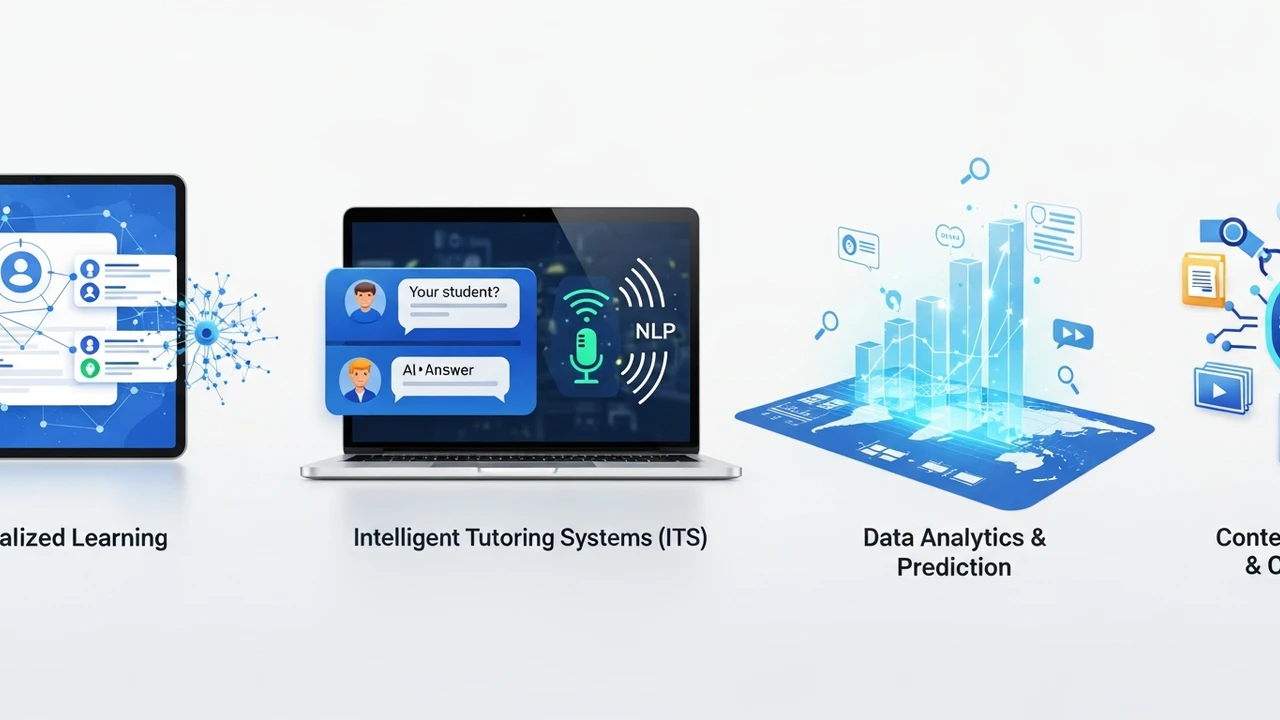
The classroom of tomorrow is being built today. We are moving away from the one-size-fits-all model of education toward a hyper-personalized experience. This transformation is powered by four specific pillars of AI technology: Adaptive Learning Algorithms, Natural Language Processing (NLP), Predictive Analytics, and Generative AI. Let’s dive into how these tools are changing the game.
Adaptive Learning Algorithms for Personalized Education
Adaptive learning is the engine behind modern EdTech. Unlike traditional textbooks, these systems adjust the difficulty of content in real-time based on student performance. If you struggle with a math concept, the AI detects the gap and provides extra practice or a different explanation. Top products in this space include Knewton Alta and DreamBox Learning. Knewton is excellent for higher education, offering a mastery-based approach that costs around $40 per course. DreamBox, on the other hand, is a powerhouse for K-8 math, using a game-like interface that keeps kids engaged. When comparing them, Knewton is more data-heavy and analytical, while DreamBox focuses on intuitive, visual learning paths.
Natural Language Processing for Language Acquisition
NLP has revolutionized how we learn languages. It is no longer about memorizing vocabulary lists; it is about real-time conversation. Duolingo Max and ELSA Speak are the leaders here. ELSA Speak uses advanced speech recognition to provide feedback on your pronunciation, which is a game-changer for non-native English speakers in Southeast Asia. It offers a free version, but the Pro subscription is roughly $12 per month. Duolingo Max, powered by GPT-4, offers 'Explain My Answer' features, costing about $30 per month. While ELSA is specialized for accent reduction, Duolingo is better for overall grammar and vocabulary building.
Predictive Analytics for Student Success and Retention
Schools are now using predictive analytics to identify students at risk of dropping out before it happens. Platforms like Civitas Learning and Watermark analyze attendance, grades, and engagement patterns. These are enterprise-level solutions, often priced via custom quotes for universities. Civitas is known for its 'Student Impact Platform' which helps advisors intervene early. Watermark focuses more on assessment and accreditation. If you are a university administrator, Civitas is the go-to for retention, while Watermark is better for institutional reporting and compliance.
Generative AI for Content Creation and Tutoring
Generative AI is the newest and most disruptive force. Tools like Khanmigo (by Khan Academy) and Quizlet Q-Chat are acting as 24/7 personal tutors. Khanmigo is priced at $9 per month and provides a Socratic tutoring experience, meaning it doesn't just give the answer; it guides the student to find it. Quizlet’s Q-Chat uses similar technology to turn flashcards into interactive study sessions. Compared to traditional human tutoring, which can cost $50+ per hour, these AI tools offer an incredibly affordable alternative for students who need help at 2 AM before a big exam.
Choosing the Right AI EdTech Tool for Your Needs
When you look at the market, it is easy to get overwhelmed. If you are a student, focus on tools that provide immediate feedback, like Khanmigo or ELSA Speak. If you are an educator, look into adaptive platforms like Knewton to manage large classes. The cost varies wildly, but most of these tools offer tiered pricing. Always start with the free trial to see if the interface matches your learning style. The future of education is not about replacing teachers; it is about giving them and their students the superpowers they need to succeed in an increasingly complex world.
:max_bytes(150000):strip_icc()/277019-baked-pork-chops-with-cream-of-mushroom-soup-DDMFS-beauty-4x3-BG-7505-5762b731cf30447d9cbbbbbf387beafa.jpg)