Common Flower Diseases Identification and Treatment
Identify common flower diseases and learn simple treatment methods. Keep your blooms healthy and vibrant.
Identify common flower diseases and learn simple treatment methods. Keep your blooms healthy and vibrant.
Common Flower Diseases Identification and Treatment
Hey there, fellow garden enthusiasts! Nothing beats the joy of seeing your flowers bloom, right? But sometimes, those beautiful petals and lush leaves can start looking a bit… off. Don't panic! Chances are, your beloved plants might be battling a common flower disease. The good news is, with a little know-how, you can often identify the culprit and get your floral friends back on track. This guide is all about helping you spot those pesky problems and giving you some simple, effective ways to treat them. Let's dive in and keep your garden vibrant!
Spotting the Signs Understanding Common Flower Disease Symptoms
Before we talk about solutions, let's get good at identifying the problems. Many flower diseases share similar symptoms, but paying close attention to the details can help you pinpoint what's really going on. Look for changes in leaf color, texture, and shape, as well as any unusual spots, growths, or wilting patterns. Early detection is key to successful treatment!
Powdery Mildew The White Dust on Your Leaves
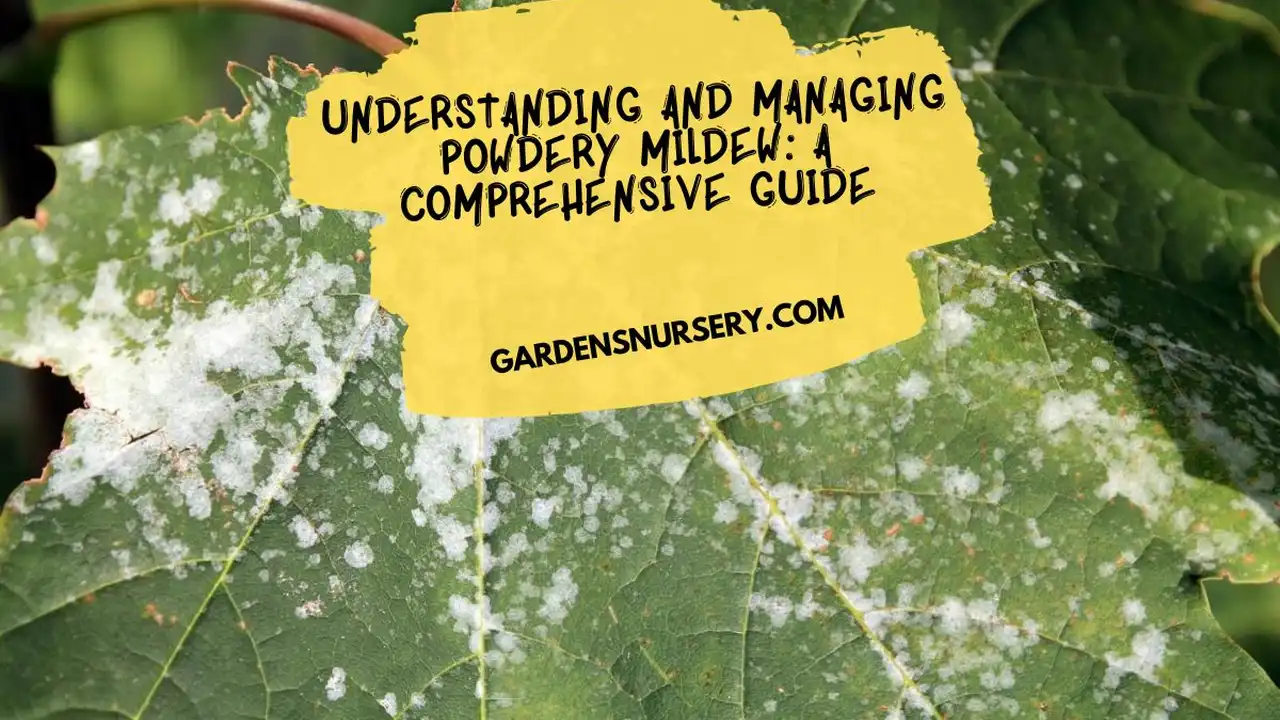
This is one of the most common and easily recognizable fungal diseases. You'll see a white, powdery coating on the leaves, stems, and sometimes even the flowers. It looks like someone sprinkled flour on your plants. While it rarely kills the plant, it can weaken it, reduce flowering, and make your garden look less appealing. It thrives in humid conditions with poor air circulation.
Identification Tips for Powdery Mildew
- White, powdery spots or patches on leaves, especially the upper surfaces.
- Leaves may turn yellow, curl, or distort.
- In severe cases, leaves might drop prematurely.
- Common on roses, zinnias, phlox, and lilacs.
Treatment and Prevention for Powdery Mildew
Good air circulation is your first line of defense. Space your plants adequately and prune dense foliage. Water at the base of the plant to keep leaves dry. For treatment, a simple homemade solution of baking soda (1 teaspoon per quart of water with a few drops of liquid soap) can work wonders. Spray it on affected areas every 5-7 days. For more persistent issues, consider organic fungicides like neem oil. Neem oil, such as Garden Safe Brand Fungicide3 Concentrate (around $15-20 for 16 oz), is a great multi-purpose option that also tackles pests. Another effective product is Bonide Copper Fungicide (approx. $10-15 for 1 lb), which is a broad-spectrum fungicide that can be used on a variety of plants.
Black Spot The Dark Circles on Your Roses
If you're growing roses, you've probably encountered black spot. This fungal disease is a rose's worst enemy. It causes distinctive black spots with fringed yellow margins on the leaves, leading to premature leaf drop and weakened plants. It spreads rapidly in wet conditions.
Identifying Black Spot on Roses and Other Plants
- Circular black spots, often with a yellow halo, on the upper surface of leaves.
- Leaves turn yellow and fall off, starting from the bottom of the plant.
- Purple or black lesions may appear on stems.
- Primarily affects roses, but can also be seen on other ornamentals.
Treating and Preventing Black Spot
Sanitation is crucial. Remove and destroy infected leaves immediately – don't compost them! Water early in the day so leaves can dry before nightfall. Prune for good air circulation. For chemical control, fungicides containing chlorothalonil or myclobutanil are effective. Daconil Fungicide Concentrate (around $20-25 for 16 oz) is a popular choice for black spot and many other fungal diseases. For organic gardeners, neem oil or a sulfur-based fungicide like Bonide Sulfur Plant Fungicide (approx. $10-15 for 1 lb) can be used, though they might require more frequent application.
Rust The Orange or Brown Bumps
Rust diseases are another common fungal problem, characterized by powdery orange, brown, or reddish pustules (like tiny bumps) on the undersides of leaves. The upper surfaces may show yellow or white spots. Severe infections can lead to defoliation and stunted growth.
How to Identify Rust Disease
- Orange, brown, or reddish-brown powdery pustules on the undersides of leaves.
- Yellow or pale spots on the upper leaf surface corresponding to the pustules below.
- Stems may also show signs of infection.
- Common on hollyhocks, snapdragons, daylilies, and fuchsias.
Treatment and Prevention for Rust
Remove and destroy infected plant parts. Avoid overhead watering. Ensure good air circulation. Fungicides containing sulfur or copper are often recommended. Southern Ag Liquid Copper Fungicide (around $15-20 for 16 oz) is a good option for organic gardeners. For a synthetic approach, products with myclobutanil, like Spectracide Immunox Multi-Purpose Fungicide (approx. $10-15 for 16 oz), are effective.
Botrytis Blight Gray Mold on Flowers and Buds
Also known as gray mold, Botrytis blight is a common fungal disease that attacks flowers, buds, leaves, and stems, especially in cool, wet, and humid conditions. You'll see a fuzzy, grayish-brown mold growing on affected parts, often causing buds to rot before opening or petals to become discolored and mushy.
Identifying Botrytis Blight
- Fuzzy, grayish-brown mold on flowers, buds, leaves, or stems.
- Buds may fail to open or turn brown and rot.
- Petals may develop brown spots or become water-soaked and mushy.
- Common on peonies, petunias, geraniums, and impatiens.
Treatment and Prevention for Botrytis Blight
Improve air circulation by spacing plants and pruning. Remove and destroy all infected plant material promptly. Avoid overhead watering. Fungicides containing chlorothalonil or copper can help. Bonide Copper Fungicide (approx. $10-15 for 1 lb) is a versatile choice. For severe cases, a product like GardenTech Daconil Fungicide (around $15-20 for 16 oz) can be used.
Leaf Spot Diseases The Speckles and Splotches
Leaf spot diseases are a broad category caused by various fungi or bacteria. They manifest as distinct spots on leaves, which can vary in color (brown, black, tan, yellow), size, and shape. Often, these spots have a darker border or a halo. Severe infections can lead to defoliation.
How to Identify Leaf Spot Diseases
- Circular, irregular, or angular spots on leaves.
- Spots may be brown, black, tan, or yellow, sometimes with a distinct border.
- Leaves may turn yellow around the spots or drop prematurely.
- Can affect almost any plant, but common on hostas, hydrangeas, and many annuals.
Treatment and Prevention for Leaf Spot Diseases
Remove and destroy infected leaves. Water at the base of the plant to keep foliage dry. Ensure good air circulation. Many general-purpose fungicides can help. Garden Safe Brand Fungicide3 Concentrate (around $15-20 for 16 oz) is a good all-rounder. For bacterial leaf spots, copper-based sprays like Bonide Copper Fungicide (approx. $10-15 for 1 lb) are often recommended.
General Strategies for Healthy Flowers Your Disease Prevention Toolkit
Prevention is always better than cure! By adopting some good gardening practices, you can significantly reduce the chances of your flowers falling victim to diseases. Think of it as building a strong immune system for your garden.
Proper Plant Spacing and Air Circulation The Breath of Life
Crowded plants create a humid, stagnant environment – a perfect breeding ground for fungi. Give your plants enough room to breathe. Check the mature size of your plants and space them accordingly. Prune dense foliage to improve airflow, especially in humid climates.
Watering Wisely Hydration Without Humidity
Watering at the base of the plant, rather than overhead, keeps leaves dry and reduces the spread of fungal spores. Water in the morning so any moisture on leaves has time to evaporate before nightfall. Consider drip irrigation or soaker hoses for efficient and targeted watering.
Sanitation and Cleanup Your Garden's Hygiene Routine
Regularly inspect your plants for any signs of disease. As soon as you spot an infected leaf or stem, remove it immediately and dispose of it away from your garden (don't compost diseased material, as it can spread the problem). Clean your gardening tools regularly, especially after working with diseased plants, to prevent cross-contamination. A simple wipe down with rubbing alcohol or a bleach solution (1 part bleach to 9 parts water) will do the trick.
Healthy Soil and Nutrition The Foundation of Vigor
Strong, healthy plants are more resistant to diseases. Ensure your soil is well-draining and rich in organic matter. A balanced fertilizer can provide essential nutrients, but avoid over-fertilizing with nitrogen, which can promote lush, tender growth that's more susceptible to disease. Consider a soil test to understand your soil's specific needs.
Choosing Disease-Resistant Varieties Smart Plant Selection
When buying plants or seeds, look for varieties that are labeled as disease-resistant. Many popular flowers, like roses and zinnias, now have cultivars specifically bred to withstand common diseases like black spot or powdery mildew. This is a fantastic proactive step!
Recommended Products for Flower Disease Management Your Arsenal
While cultural practices are paramount, sometimes you need a little extra help. Here are some product types and specific examples that are widely available and effective for beginner gardeners. Prices are approximate and can vary by retailer and region.
Organic Fungicides Natural Solutions for Your Garden
These are great for gardeners who prefer a more natural approach or have concerns about chemical use. They often work by disrupting fungal growth or creating an unfavorable environment for pathogens.
-
Neem Oil: A multi-purpose organic product derived from the neem tree. It acts as a fungicide, insecticide, and miticide. It works by smothering fungal spores and disrupting insect life cycles. It's generally safe for beneficial insects once dry. Apply as a foliar spray. Good for powdery mildew, black spot (preventative), and rust.
- Product Example: Garden Safe Brand Fungicide3 Concentrate (16 oz, approx. $15-20). This is a popular choice because it's ready to mix and use, and it's effective against a range of issues.
- Usage Scenario: Best used preventatively or at the first sign of disease. Apply every 7-14 days, especially during humid periods.
-
Copper-Based Fungicides: These are broad-spectrum organic fungicides that work by interfering with fungal and bacterial enzymes. They are effective against a wide range of diseases but can sometimes cause phytotoxicity (plant damage) if overused or applied in hot, sunny conditions.
- Product Example: Bonide Copper Fungicide (1 lb, approx. $10-15). This comes in a dust or wettable powder form that you mix with water.
- Usage Scenario: Effective for black spot, powdery mildew, rust, and bacterial leaf spots. Apply according to label directions, typically every 7-10 days.
-
Sulfur-Based Fungicides: Another organic option, sulfur works by inhibiting fungal spore germination. It's effective against powdery mildew, rust, and some other fungal diseases. Avoid using sulfur when temperatures are above 90°F (32°C) or within a few weeks of applying oil-based products, as it can cause plant burn.
- Product Example: Bonide Sulfur Plant Fungicide (1 lb, approx. $10-15). Available as a dust or wettable powder.
- Usage Scenario: Good for powdery mildew and rust. Apply preventatively or at first sign of disease, especially in dry, warm conditions.
Synthetic Fungicides More Targeted Solutions
These products often offer more targeted and sometimes longer-lasting control. Always read and follow label instructions carefully, as some may require protective gear.
-
Chlorothalonil-Based Fungicides: These are broad-spectrum contact fungicides, meaning they protect the plant surface where they are applied. They are effective against a wide range of fungal diseases, including black spot, powdery mildew, rust, and leaf spots.
- Product Example: GardenTech Daconil Fungicide Concentrate (16 oz, approx. $15-20). A very popular and reliable choice for many common diseases.
- Usage Scenario: Excellent for preventative and curative control of many fungal diseases. Reapply after rain or every 7-14 days.
-
Myclobutanil-Based Fungicides: These are systemic fungicides, meaning they are absorbed by the plant and move within its tissues, offering protection from within. This makes them particularly effective for diseases that are already established or for long-term prevention.
- Product Example: Spectracide Immunox Multi-Purpose Fungicide (16 oz, approx. $10-15). Often comes in a ready-to-spray bottle or concentrate.
- Usage Scenario: Great for black spot on roses, powdery mildew, and rust. Its systemic action provides longer protection, often up to 2 weeks.
Comparison of Fungicide Types and Usage
| Fungicide Type | Pros | Cons | Best For | Typical Price Range |
|---|---|---|---|---|
| Neem Oil | Organic, multi-purpose (fungicide, insecticide, miticide), generally safe for beneficials. | Less potent for severe infections, requires frequent application, can burn plants if applied in direct sun. | Powdery mildew, black spot (preventative), general plant health. | $15-20 (16 oz concentrate) |
| Copper-Based | Organic, broad-spectrum (fungal & bacterial), good for many diseases. | Can cause phytotoxicity if overused, leaves visible residue, requires careful application. | Black spot, powdery mildew, rust, bacterial leaf spots. | $10-20 (1 lb powder/16 oz liquid) |
| Sulfur-Based | Organic, effective for specific fungal diseases. | Can burn plants in high heat or with oil, less broad-spectrum than copper. | Powdery mildew, rust. | $10-15 (1 lb powder) |
| Chlorothalonil-Based | Broad-spectrum, highly effective contact fungicide, good for many common diseases. | Synthetic, requires reapplication after rain, can leave visible residue. | Black spot, powdery mildew, rust, leaf spots. | $15-25 (16 oz concentrate) |
| Myclobutanil-Based | Systemic action (absorbed by plant), longer-lasting protection, good for established diseases. | Synthetic, generally more expensive per application than contact fungicides. | Black spot on roses, powdery mildew, rust. | $10-20 (16 oz concentrate/ready-to-spray) |
Remember, always read the product label carefully before use. It will provide specific instructions on mixing ratios, application frequency, safety precautions, and which plants it's safe to use on. Some products might not be suitable for all types of flowers.
When to Call in the Experts Recognizing Severe Flower Disease Issues
While many common flower diseases can be managed with home remedies and over-the-counter products, there are times when you might need professional help. If you've tried several treatments and the problem persists or worsens, or if you suspect a more unusual or severe disease (like a viral infection, which often has no cure), it might be time to consult a local extension office or a certified arborist/plant pathologist. They can provide accurate diagnosis and recommend more advanced solutions.
Keeping your flowers healthy and vibrant is a continuous learning process. By understanding common diseases, practicing good garden hygiene, and knowing when to use the right products, you'll be well on your way to a thriving, beautiful garden. Happy gardening!
:max_bytes(150000):strip_icc()/277019-baked-pork-chops-with-cream-of-mushroom-soup-DDMFS-beauty-4x3-BG-7505-5762b731cf30447d9cbbbbbf387beafa.jpg)