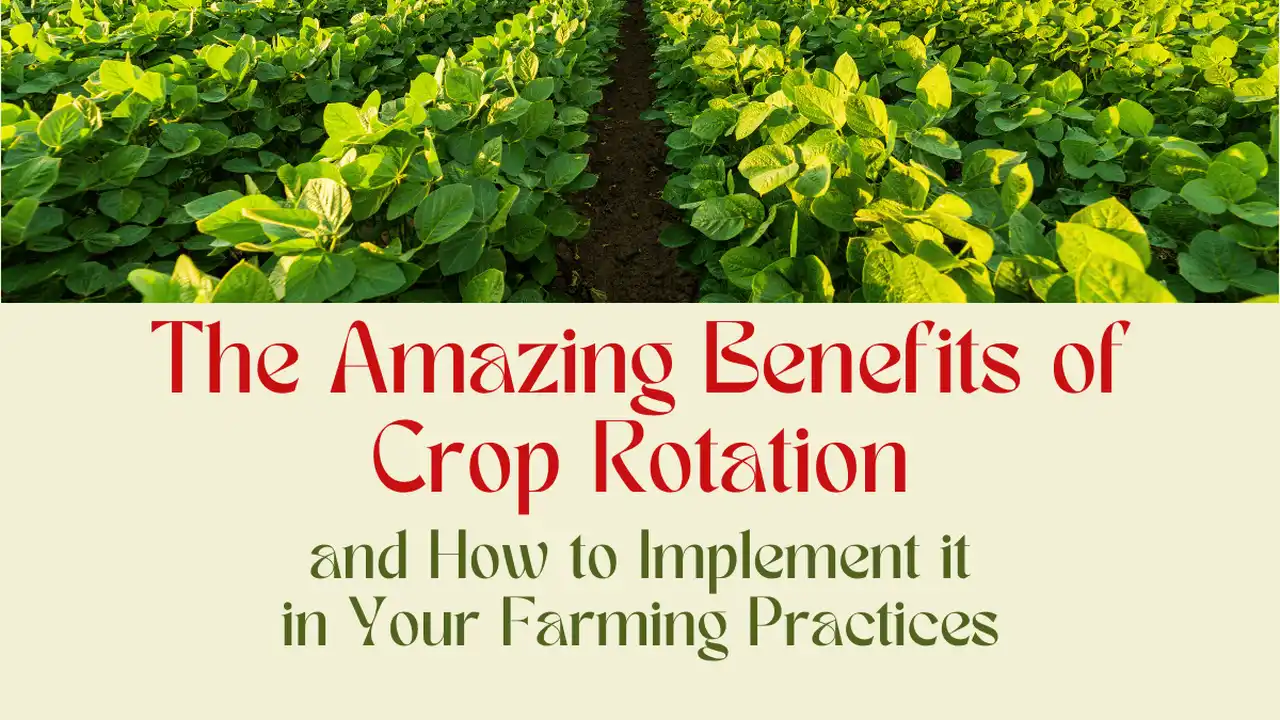
Understand the basics of crop rotation and its importance for soil health and pest prevention in your vegetable garden.
Understand the basics of crop rotation and its importance for soil health and pest prevention in your vegetable garden.
Crop Rotation for Beginners Why It Matters
Understanding Crop Rotation Basics for Healthy Soil
So, you've started your vegetable garden, and things are looking great! But have you thought about what happens beneath the surface, year after year? That's where crop rotation comes in. It's a fundamental practice in organic and sustainable gardening that helps keep your soil healthy, your plants strong, and pests and diseases at bay. Think of it as giving your garden a fresh start each season, but in a smart, strategic way.
At its core, crop rotation means not planting the same type of vegetable in the same spot year after year. Instead, you move different plant families around your garden beds in a planned sequence. Why bother? Well, different plants have different needs and different impacts on the soil. Some are heavy feeders, depleting specific nutrients. Others are light feeders. Some have deep roots, while others are shallow. And crucially, different plants are susceptible to different pests and diseases.
Why Crop Rotation is Essential for Pest and Disease Prevention
One of the biggest benefits of crop rotation, especially for beginners, is its role in pest and disease management. Imagine you plant tomatoes in the same spot every year. Over time, soil-borne diseases specific to tomatoes, like early blight or fusarium wilt, can build up in that soil. Pests that love tomatoes, like tomato hornworms or nematodes, will also find a permanent home there, ready to attack your plants as soon as they emerge.
By rotating your crops, you break these cycles. If you plant beans (a legume) where tomatoes (a solanaceous plant) were last year, the tomato-specific pathogens and pests won't have their preferred host. They'll either die off, move on, or their populations will significantly decrease. This natural disruption is incredibly effective and reduces your reliance on chemical interventions, which is great for both your garden and the environment.
Improving Soil Health and Fertility with Smart Rotation
Beyond pest control, crop rotation is a powerhouse for soil health. Different plant families have different nutrient requirements and contribute differently to the soil. For example, legumes like beans and peas are nitrogen-fixers. They have a symbiotic relationship with bacteria in their root nodules that convert atmospheric nitrogen into a form plants can use. Planting them after heavy feeders like corn or leafy greens can naturally replenish nitrogen in the soil, reducing the need for synthetic fertilizers.
Root vegetables, like carrots and radishes, have deep taproots that can break up compacted soil, improving drainage and aeration. Leafy greens, on the other hand, are often shallow-rooted and can help improve the topsoil structure. By rotating these different types of plants, you ensure a more balanced use of soil nutrients and improve the overall structure and fertility of your garden beds over time. It's like a natural soil amendment program!
Designing Your Crop Rotation Plan Simple Strategies
So, how do you actually do this? For beginners, don't overcomplicate it. A simple 3- or 4-year rotation plan is usually sufficient. The most common approach is to group plants by family. Here's a basic framework:
1. Year 1: Legumes (Nitrogen Fixers) - Beans, peas, clover. These enrich the soil with nitrogen.
2. Year 2: Leafy Greens & Brassicas (Heavy Feeders) - Lettuce, spinach, cabbage, broccoli, kale. These benefit from the nitrogen left by legumes.
3. Year 3: Root Vegetables (Moderate Feeders) - Carrots, potatoes, radishes, beets. These help break up soil and benefit from residual nutrients.
4. Year 4: Fruiting Vegetables (Heavy Feeders) - Tomatoes, peppers, squash, cucumbers. These also benefit from rich soil.
Of course, you can adapt this. Some gardeners use a 'root, leaf, fruit, flower' or 'heavy, light, legume, root' system. The key is to avoid planting the same family in the same spot for at least three years. If you have raised beds, this is super easy to manage. Just draw a simple map of your garden and note what you planted where each year.
Practical Tips for Implementing Crop Rotation in Your Garden
* Map It Out: Seriously, draw a simple diagram of your garden beds. Label them and write down what you plant in each section every year. This is your most valuable tool for successful rotation.
* Group by Family: Learn which plants belong to which families. For example, tomatoes, potatoes, peppers, and eggplants are all in the Solanaceae (nightshade) family. Corn, wheat, and oats are grasses. Beans, peas, and clover are legumes. This is crucial for effective rotation.
* Start Small: Don't feel like you need to overhaul your entire garden at once. Pick one or two beds to focus on for rotation in your first year and expand from there.
* Consider Your Space: If you have very limited space, crop rotation can be challenging. In such cases, focus more on soil amendments, composting, and choosing disease-resistant varieties.
* Don't Forget Cover Crops: Between main crops, especially in larger beds, consider planting cover crops like clover or vetch. They protect the soil, add organic matter, and some (like legumes) fix nitrogen, further enhancing your rotation benefits.
Recommended Products to Aid Your Crop Rotation Journey
While crop rotation is primarily a planning strategy, a few products can make it easier and more effective, especially for beginners looking to understand their soil better or manage their garden layout.
Soil Testing Kits for Informed Rotation
Knowing your soil's current nutrient levels and pH is invaluable for planning your rotation. If your soil is deficient in nitrogen, you'll know to prioritize legumes. If it's too acidic or alkaline, you can amend it accordingly.
* Luster Leaf Rapitest Soil Test Kit (around $15-25): This is a popular, easy-to-use kit for beginners. It tests for pH, nitrogen, phosphorus, and potash. It comes with color-coded capsules and charts, making interpretation straightforward. You just mix soil with water, add the capsule, and compare the color. It's great for getting a general idea of your soil's health before planting.
* MySoil Soil Test Kit (around $30-40): For a more detailed analysis, MySoil offers a mail-in lab test. You send a soil sample, and they email you a comprehensive report on 13 plant nutrients, pH, and even recommendations for amendments. This is excellent if you want precise data to fine-tune your rotation and fertilization strategy.
Garden Planning Software and Apps for Visualizing Rotation
Mapping your garden and planning your rotation can be done with pen and paper, but digital tools can make it more visual and help you track years easily.
* Garden Planner (online software, one-time purchase around $30-40): This is a robust, user-friendly tool that allows you to design your garden layout, place plants, and even has features to help with crop rotation. You can easily drag and drop plants, and it often includes information on plant families, making rotation planning simpler. It's a visual way to see where everything goes year after year.
* GrowVeg Garden Planner (subscription service, around $25/year): Similar to Garden Planner, GrowVeg is an online tool that helps you design and manage your vegetable garden. It has excellent features for crop rotation, including warnings if you try to plant the same family in the same spot too soon. It also offers planting calendars and pest/disease information, making it a comprehensive tool for beginners.
Compost Bins and Tumblers for Soil Enrichment
While not directly a 'rotation' product, good compost is essential for healthy soil, which in turn makes your crop rotation more effective. Adding compost regularly helps build soil structure and fertility, making it more resilient to the demands of different crops.
* Compost Tumbler (various brands, $80-200): A compost tumbler like the Lifetime 65-Gallon Compost Tumbler (around $150) or the Yimby Tumbler Composter (around $100) makes composting easy and relatively quick. You just load your kitchen scraps and yard waste, then spin it regularly. This produces rich compost that you can add to your beds before planting, ensuring your soil is always ready for the next crop in your rotation.
* Traditional Compost Bin (various brands, $30-100): Simpler, static compost bins like the GEOBIN Composter (around $40) are also excellent. They require a bit more manual turning but are very effective for producing large quantities of compost. Adding this organic matter annually supports the soil health benefits of crop rotation.
By understanding the 'why' behind crop rotation and using these simple tools and strategies, you'll be well on your way to a healthier, more productive, and more resilient vegetable garden. Happy growing!
:max_bytes(150000):strip_icc()/277019-baked-pork-chops-with-cream-of-mushroom-soup-DDMFS-beauty-4x3-BG-7505-5762b731cf30447d9cbbbbbf387beafa.jpg)