Drought Tolerant Flowers 5 Resilient Choices
Discover 5 beautiful drought-tolerant flowers for a low-maintenance garden. Ideal for water-wise landscaping.

Discover 5 beautiful drought-tolerant flowers for a low-maintenance garden. Ideal for water-wise landscaping.
Drought Tolerant Flowers 5 Resilient Choices
Hey there, fellow garden enthusiasts! Are you tired of constantly watering your plants, especially during those scorching summer months? Do you dream of a vibrant garden that thrives even when rainfall is scarce? Well, you're in luck! Today, we're diving deep into the wonderful world of drought-tolerant flowers. These resilient beauties are not only stunning but also incredibly low-maintenance, making them perfect for water-wise landscaping. Whether you're in a region prone to droughts or simply want to conserve water, incorporating these plants into your garden is a smart and sustainable choice. Let's explore five fantastic options that will bring color and life to your landscape without demanding constant attention.
Understanding Drought Tolerance and Water Wise Gardening
Before we jump into our top picks, let's quickly chat about what 'drought tolerant' really means. Essentially, these plants have evolved mechanisms to survive and even flourish with minimal water. This could be deep root systems that tap into underground moisture, waxy leaves that reduce water loss, or even the ability to go dormant during dry spells and bounce back when conditions improve. Water-wise gardening, also known as xeriscaping, is all about designing a landscape that requires little or no irrigation beyond what nature provides. It's not just about saving water; it's also about reducing maintenance, attracting pollinators, and creating a sustainable ecosystem right in your backyard.
Lavender Lavandula The Aromatic Survivor
First up on our list is the beloved Lavender. Oh, Lavender! Just the name conjures images of fragrant purple fields in Provence, right? But beyond its intoxicating scent and beautiful blooms, Lavender is a true champion when it comes to drought tolerance. Once established, it requires very little water and thrives in full sun and well-drained soil. It's also a fantastic pollinator magnet, attracting bees and butterflies to your garden. Plus, you can harvest its fragrant spikes for sachets, essential oils, or even culinary uses. Talk about a multi-talented plant!
Popular Lavender Varieties and Their Characteristics
- English Lavender (Lavandula angustifolia): This is probably what most people think of when they hear 'lavender.' It's incredibly hardy, produces intensely fragrant flowers, and is great for culinary use. Varieties like 'Munstead' and 'Hidcote' are popular for their compact size and rich color.
- French Lavender (Lavandula stoechas): Known for its distinctive 'bunny ear' petals, French Lavender has a slightly less sweet, more camphoraceous scent. It's often more tolerant of humidity than English Lavender and blooms earlier.
- Lavandin (Lavandula x intermedia): A hybrid of English and Spike Lavender, Lavandin varieties like 'Grosso' are larger, more vigorous, and produce a higher yield of essential oil. They're excellent for hedges and larger landscape plantings.
Care Tips for Thriving Lavender Plants
Planting Lavender is pretty straightforward. Choose a spot with at least 6 hours of direct sunlight per day and ensure the soil drains exceptionally well. If your soil is heavy clay, consider amending it with sand or gravel, or even planting in raised beds. Water regularly during its first growing season to help it establish, but once it's settled in, you can significantly reduce watering. Overwatering is the quickest way to kill Lavender! Prune your Lavender after it blooms to maintain its shape and encourage new growth. A good rule of thumb is to cut back about one-third of the plant, avoiding cutting into old wood.
Recommended Lavender Products and Their Uses
Beyond just planting, there are some great products to help your Lavender thrive or to enjoy its benefits:
- Espoma Organic Bone Meal: While Lavender doesn't need a lot of fertilizer, a little bone meal at planting can help with root development. A 4lb bag typically costs around $10-$15.
- FoxFarm Ocean Forest Potting Soil: If you're growing Lavender in containers, this well-draining, nutrient-rich soil is fantastic. A 1.5 cubic foot bag is usually $20-$30.
- Fiskars Bypass Pruners: Essential for clean cuts when pruning. A good quality pair will set you back about $20-$35.
- Lavender Essential Oil: Once your Lavender is established, you might even consider distilling your own oil! For a ready-made option, brands like NOW Foods offer pure Lavender essential oil for around $10-$20 for a 1oz bottle.
Sedum Stonecrop The Succulent Star
Next up, let's talk about Sedum, also known as Stonecrop. These succulent wonders are practically indestructible! Sedums come in a huge variety of shapes, sizes, and colors, from low-growing groundcovers to upright varieties that create impressive mounds of foliage and flowers. Their thick, fleshy leaves store water, making them incredibly drought-tolerant. They're also fantastic for rock gardens, green roofs, or simply as border plants. Plus, many varieties bloom in late summer and fall, providing much-needed color when other plants are fading.
Diverse Sedum Varieties for Every Garden Style
- Upright Sedum (Hylotelephium spectabile, formerly Sedum spectabile): 'Autumn Joy' is the classic, with its broccoli-like flower heads that start green, turn pink, then rust, and finally brown, providing interest for months. 'Neon' offers a brighter pink, while 'Carl' is known for its compact habit.
- Creeping Sedum (Sedum spurium, Sedum rupestre, etc.): These low-growing varieties are perfect for groundcover, spilling over walls, or filling in gaps. 'Dragon's Blood' has striking red foliage, while 'Blue Spruce' offers a unique blue-green color.
Cultivating Resilient Sedum Plants
Sedums are incredibly easy to grow. They prefer full sun but can tolerate some partial shade, especially in hotter climates. Well-drained soil is crucial; they absolutely hate wet feet. Once established, they rarely need watering, except during prolonged, extreme droughts. They're also not fussy about soil fertility, often thriving in poor, rocky soils where other plants struggle. Pests and diseases are rarely an issue, making them a truly low-maintenance choice. You can even propagate them easily from stem cuttings – just stick a piece in the ground, and it'll likely root!
Recommended Sedum Products and Their Applications
- Bonsai Jack Succulent and Cactus Soil: While not strictly for Sedum, this super well-draining mix is perfect for container-grown Sedums. A 7-quart bag is around $20-$25.
- Garden Gloves with Claws: Some Sedums can be a bit brittle, so good gloves help. A pair is typically $10-$15.
- Slow-Release Granular Fertilizer (low nitrogen): Sedums don't need much, but a light application of a balanced, low-nitrogen fertilizer in spring can boost growth. Osmocote Smart-Release Plant Food (10-10-10) is a good option, around $15-$20 for a 2lb container.
Coneflower Echinacea The Prairie Powerhouse
Our third pick is the magnificent Coneflower, or Echinacea. These iconic prairie flowers are not only beautiful with their daisy-like petals and prominent central cones, but they're also incredibly tough. Native to North America, they're perfectly adapted to hot, dry conditions once established. Echinacea is a pollinator powerhouse, attracting bees, butterflies, and even goldfinches who feast on their seeds in the fall. Plus, many varieties are known for their medicinal properties, particularly for boosting the immune system.
Exploring Echinacea Varieties and Their Appeal
- Purple Coneflower (Echinacea purpurea): The classic, with its vibrant purple-pink petals and orange-brown cone. Varieties like 'Magnus' have larger, flatter petals, while 'White Swan' offers beautiful white blooms.
- Hybrid Echinacea: The world of Echinacea has exploded with hybrids in recent years, offering a rainbow of colors including yellow, orange, red, and even green. 'Cheyenne Spirit' is a popular mix, while 'Sombrero' series offers vibrant, long-blooming colors.
Growing Robust Coneflower Plants
Coneflowers thrive in full sun (at least 6 hours) and well-drained soil. They're not picky about soil type, as long as it's not constantly soggy. Water them regularly during their first year to help them develop a strong root system. After that, they're remarkably drought-tolerant and will only need supplemental watering during extended dry periods. Deadheading spent blooms can encourage more flowers, but leaving some seed heads on in the fall provides food for birds and adds winter interest. They're generally pest and disease resistant, making them a low-fuss addition to any garden.
Recommended Echinacea Products and Their Benefits
- Garden Trowel: For planting your Echinacea starts. A sturdy stainless steel trowel can cost $15-$25.
- Organic Compost: Amending your soil with compost at planting time will give your Echinacea a great start. A 1 cubic foot bag is typically $5-$10.
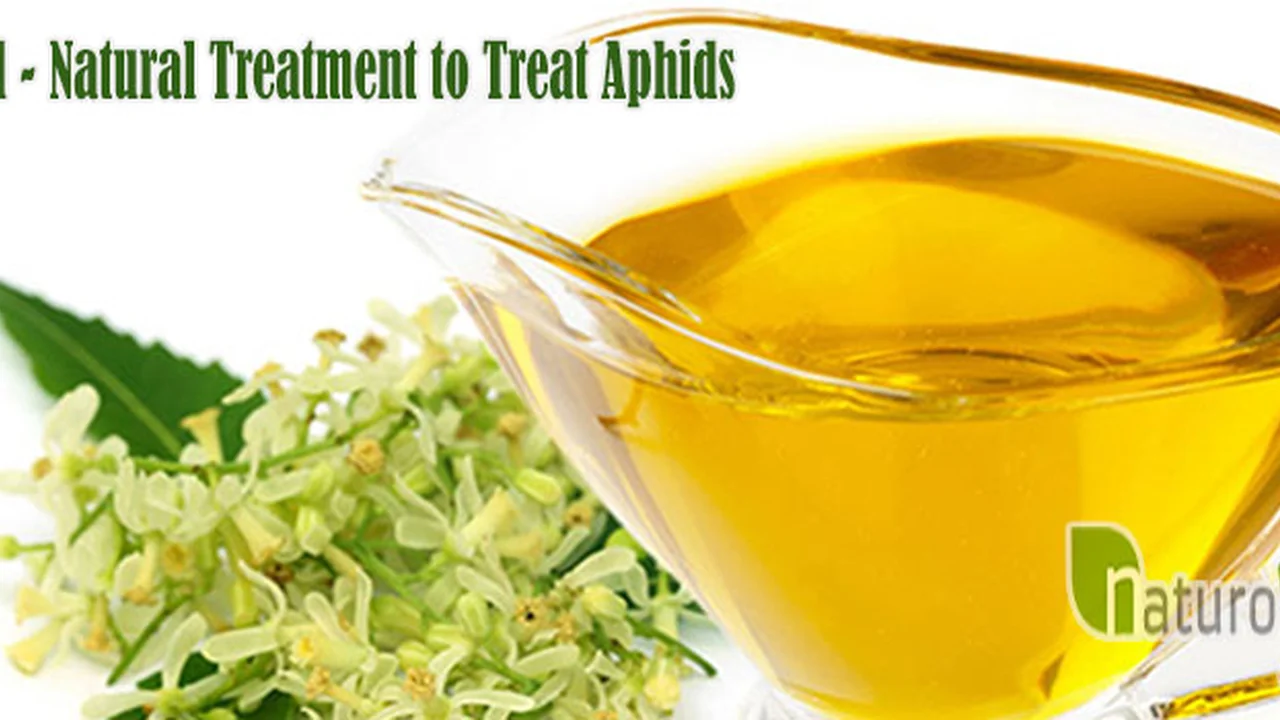
- Neem Oil Spray: While Echinacea is generally pest-resistant, if you do encounter aphids or other soft-bodied insects, a natural neem oil spray can be effective. A 16oz concentrate is around $15-$25.
- Echinacea Seeds: If you're feeling adventurous, growing from seed is cost-effective. A packet of 'Purple Coneflower' seeds is usually $3-$5.
Gaillardia Blanket Flower The Fiery Bloom
Fourth on our list is Gaillardia, commonly known as Blanket Flower. And what a fitting name it is! These cheerful, daisy-like flowers come in fiery shades of red, orange, and yellow, often with contrasting tips, creating a vibrant 'blanket' of color. They are incredibly tough, thriving in hot, dry conditions and poor soils. Gaillardia blooms continuously from early summer until frost, providing a long season of color and attracting a host of pollinators, especially butterflies. If you want a burst of warm color that can take the heat, Gaillardia is your go-to!
Popular Gaillardia Varieties and Their Characteristics
- Gaillardia x grandiflora: This is the most common type, a hybrid that offers larger flowers and a longer blooming season. 'Goblin' is a classic compact variety with red and yellow petals, while 'Arizona Sun' boasts vibrant red-orange blooms. 'Mesa Yellow' is a great all-yellow option.
- Gaillardia pulchella (Indian Blanket): This is an annual species, often self-seeding, with smaller but abundant flowers. It's great for naturalized areas or meadows.
Caring for Your Resilient Blanket Flowers
Gaillardia absolutely loves full sun – the more, the better! It needs well-drained soil and will tolerate sandy or poor soils with ease. In fact, rich, fertile soil can sometimes lead to leggy growth and fewer flowers. Once established, it's highly drought-tolerant and rarely needs extra watering. Deadheading spent blooms will encourage more flowers, but leaving some on will allow it to self-seed, ensuring a continuous display year after year. They're generally pest and disease-free, making them a truly low-maintenance superstar.
Recommended Gaillardia Products and Their Applications
- Hand Cultivator: For preparing the soil and weeding around your Gaillardia. A good quality one is around $10-$20.
- Garden Kneeler/Seat: You'll be spending time admiring these beauties, so comfort is key! Prices range from $20-$40.
- All-Purpose Garden Fertilizer (low nitrogen): While not strictly necessary, a very light application in spring can give a boost. Look for something like Miracle-Gro All-Purpose Plant Food (24-8-16) but use sparingly, perhaps half strength. A 1.5lb box is about $10-$15.
- Gaillardia Seeds: Very easy to grow from seed, and often quite affordable. A packet is typically $2-$4.
Yarrow Achillea The Hardy Herb
Last but certainly not least, we have Yarrow, or Achillea. This tough-as-nails perennial is a fantastic choice for any drought-tolerant garden. Yarrow features feathery, aromatic foliage and flat-topped clusters of tiny flowers that come in shades of white, yellow, pink, and red. It's incredibly adaptable, thriving in full sun and poor, dry soils where many other plants would wither. Yarrow is also a magnet for beneficial insects, including ladybugs and lacewings, which help keep pest populations in check. Plus, its flowers are excellent for cutting and drying, adding a rustic charm to your indoor arrangements.
Exploring Yarrow Varieties and Their Garden Impact
- Common Yarrow (Achillea millefolium): The wild form, typically white, but many cultivated varieties exist. 'Paprika' offers vibrant red with yellow centers, 'Summer Pastels' is a mix of soft shades, and 'Moonshine' is a popular bright yellow.
- Fern-leaf Yarrow (Achillea filipendulina): Tends to be taller with larger, flatter yellow flower heads. 'Coronation Gold' is a classic, known for its intense golden color.
Cultivating Resilient Yarrow Plants
Yarrow is incredibly easy to grow and maintain. It absolutely demands full sun and well-drained soil. In fact, it prefers lean, poor soil; too much fertility can make it leggy and prone to flopping. Once established, it's highly drought-tolerant and rarely needs supplemental watering. Deadhead spent flowers to encourage more blooms and prevent excessive self-seeding. Yarrow can spread, so be mindful of its vigorous nature, especially in ideal conditions. Dividing clumps every few years can help manage its spread and rejuvenate the plant. It's generally pest and disease-free, making it a truly carefree addition to your landscape.
Recommended Yarrow Products and Their Applications
- Garden Fork: Useful for breaking up compacted soil before planting or for dividing established Yarrow clumps. A good quality garden fork can range from $30-$60.
- Drying Rack for Herbs/Flowers: If you plan to harvest Yarrow for dried arrangements or medicinal uses, a hanging drying rack is super handy. Prices vary from $15-$30.
- Organic Mulch (e.g., wood chips): While Yarrow is drought-tolerant, a layer of mulch can help retain what little moisture is there and suppress weeds. A 2 cubic foot bag is typically $5-$10.
- Yarrow Seeds: Another easy-to-grow-from-seed option. A packet is usually $2-$4.
Bringing It All Together Creating Your Water-Wise Oasis
So there you have it – five fantastic drought-tolerant flowers that will bring beauty and resilience to your garden without the constant need for watering. Lavender, Sedum, Coneflower, Gaillardia, and Yarrow are all excellent choices for creating a low-maintenance, water-wise landscape. Remember, the key to success with these plants is providing them with plenty of sun and excellent drainage. Once they're established, you can sit back, relax, and enjoy their beauty, knowing you're doing your part to conserve water and create a sustainable garden. Happy gardening!
:max_bytes(150000):strip_icc()/277019-baked-pork-chops-with-cream-of-mushroom-soup-DDMFS-beauty-4x3-BG-7505-5762b731cf30447d9cbbbbbf387beafa.jpg)