Garden Shed Essentials What Every Beginner Needs
Organize your gardening tools with these essential garden shed items. A guide for beginners to keep their space tidy.
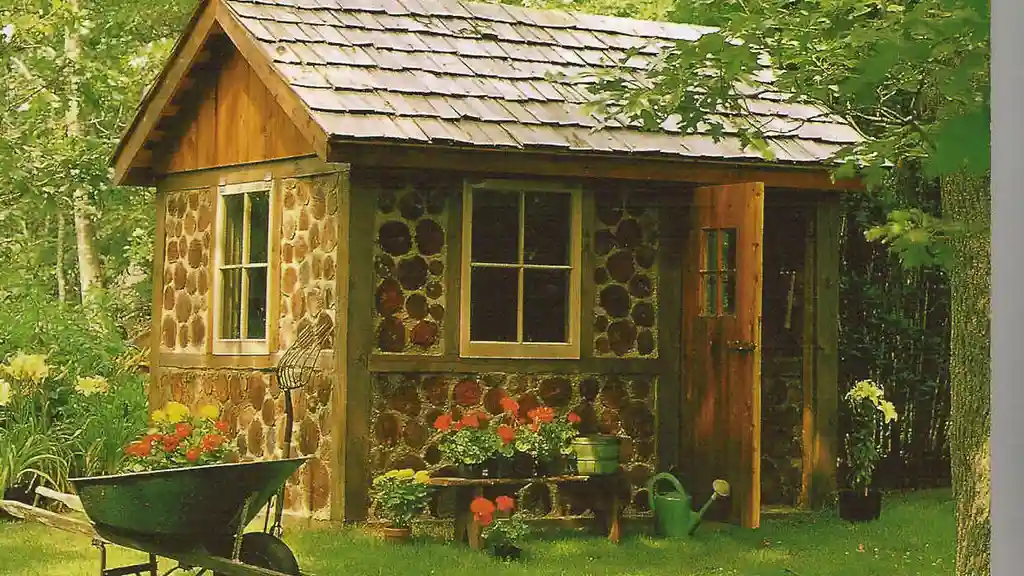
Organize your gardening tools with these essential garden shed items. A guide for beginners to keep your space tidy.
Garden Shed Essentials What Every Beginner Needs
So, you've caught the gardening bug, and your collection of tools is starting to sprawl across the garage floor or, worse, cluttering up your patio. It's time to get organized! A garden shed isn't just a place to dump your stuff; it's a sanctuary for your tools, a hub for your gardening activities, and a way to keep everything tidy and accessible. For beginners, setting up an efficient garden shed can feel a bit overwhelming, but it doesn't have to be. This guide will walk you through the absolute essentials, from the shed itself to the clever storage solutions and must-have tools that will make your gardening life a breeze.
Choosing Your First Garden Shed Size and Material Considerations
Before you even think about what goes inside, you need the shed itself. For beginners, the key is to balance your current needs with potential future growth. Don't buy the biggest shed on the market if you only have a small balcony garden, but also don't get one so tiny you'll outgrow it in a season. Consider your available space, local regulations (some areas have size restrictions), and your budget.
Shed Size for Beginner Gardeners
- Small (e.g., 4x6 feet): Perfect for very small gardens, balconies, or if you only have a few hand tools and a watering can. It's compact and usually budget-friendly.
- Medium (e.g., 6x8 to 8x10 feet): This is often the sweet spot for most beginner to intermediate gardeners. It offers enough space for a good range of tools, a potting bench, and maybe even some larger equipment like a lawnmower.
- Large (e.g., 10x12 feet and up): If you have a substantial garden, plan to grow a lot, or want to store larger machinery, a bigger shed might be necessary. However, for a beginner, this might be overkill initially.
Shed Materials Durability and Maintenance
- Wood Sheds: Classic and aesthetically pleasing. They can be customized and painted to match your home. However, they require regular maintenance (painting, sealing) to prevent rot and pest issues. They tend to be more expensive upfront.
- Metal Sheds: Generally more affordable and low-maintenance. They are durable and resistant to rot and pests. The downside is they can rust over time if not properly coated, and they might not be as visually appealing to everyone. They can also get very hot inside in direct sun.
- Resin/Plastic Sheds: The most low-maintenance option. They don't rust, rot, or need painting. They are lightweight and easy to assemble. However, they might not be as sturdy as wood or metal, and some can become brittle over time with UV exposure. They are often a good budget-friendly choice for beginners.
Essential Storage Solutions Maximizing Your Shed Space
Once you have your shed, the real fun begins: organizing it! Even a small shed can hold a surprising amount if you use smart storage solutions. Think vertically and utilize every inch.
Shelving Units for Garden Supplies
Shelving is non-negotiable. It keeps bags of soil, fertilizers, pots, and other smaller items off the floor, preventing clutter and making them easy to find. Look for sturdy, adjustable shelving units.
- Recommended Product: Sterilite 5-Shelf Utility Storage Unit
- Use Case: Ideal for storing bags of potting mix, smaller pots, seed packets, gloves, and other miscellaneous items. Its plastic construction makes it resistant to moisture and easy to clean.
- Comparison: Cheaper and lighter than metal or wood shelving, making it easy to move. Not as heavy-duty as industrial metal shelving, but perfectly adequate for most beginner gardening supplies.
- Approx. Price: $40 - $60 USD
Pegboards and Wall Organizers for Hand Tools
Pegboards are a game-changer for hand tools. They allow you to hang trowels, pruners, cultivators, and other small items on the wall, keeping them visible and preventing them from getting lost in a drawer or bucket.
- Recommended Product: Wall Control Pegboard Organizer Kit
- Use Case: Perfect for organizing hand trowels, pruners, weeding forks, small rakes, and even hanging gloves or small watering cans.
- Comparison: More durable and aesthetically pleasing than traditional fiberboard pegboards. The metal construction means it won't warp or degrade with moisture. Comes with various hooks and bins.
- Approx. Price: $70 - $120 USD (depending on size and accessories)
Tool Racks and Hooks for Long-Handled Tools
Shovels, rakes, hoes, and brooms can take up a lot of floor space. Wall-mounted tool racks or individual hooks are essential for keeping these long-handled items neatly stored and preventing them from falling over.
- Recommended Product: Rubbermaid Deluxe Tool Tower
- Use Case: Stores up to 40 long-handled tools in a compact footprint. Great for shovels, rakes, brooms, and even some smaller power tools.
- Comparison: A freestanding option that doesn't require wall mounting, making it versatile. More stable than simple wall hooks for multiple tools.
- Approx. Price: $30 - $50 USD
Storage Bins and Containers for Loose Items
For things like twine, plant ties, small stakes, or even spare parts for your mower, clear plastic storage bins are invaluable. They keep items contained, dust-free, and visible.
- Recommended Product: IRIS USA 12 Quart Clear Storage Bins (6-pack)
- Use Case: Ideal for organizing seed packets, small bags of amendments, plant labels, twine, small hand tools, and other miscellaneous items. The clear design allows you to see contents at a glance.
- Comparison: More durable and stackable than flimsy shoebox-style containers. Lids keep contents protected from dust and moisture.
- Approx. Price: $25 - $35 USD
Must-Have Tools for Every Beginner Gardener
Your shed is organized, now let's talk about the tools that will fill it. Don't feel pressured to buy everything at once. Start with the basics and expand your collection as your gardening skills and needs grow. Quality over quantity is key here; a few good tools will serve you better than a shed full of cheap ones.
Hand Trowel and Cultivator for Planting and Weeding
These are your most basic, everyday tools. A good hand trowel is essential for digging small holes for planting, and a cultivator (or hand fork) is great for breaking up soil and weeding.
- Recommended Product: Fiskars Ergo Trowel and Cultivator Set
- Use Case: The trowel is perfect for planting seedlings, bulbs, and small plants. The cultivator helps loosen soil, mix in amendments, and remove weeds.
- Comparison: Ergonomic handles reduce hand fatigue. Durable cast-aluminum heads resist rust and won't bend. Better quality than many budget sets that can break easily.
- Approx. Price: $20 - $30 USD
Pruning Shears for Trimming and Shaping
A sharp pair of pruning shears (or secateurs) is crucial for deadheading flowers, trimming small branches, and shaping plants. Look for bypass pruners for clean cuts that promote plant health.
- Recommended Product: Felco F-2 Classic Pruner
- Use Case: Essential for precise cuts on stems up to about 1 inch thick. Ideal for roses, shrubs, and general plant maintenance.
- Comparison: Considered the gold standard by many gardeners. Extremely durable, replaceable parts, and provides very clean cuts. More expensive than basic pruners, but a lifetime investment.
- Approx. Price: $60 - $80 USD
Garden Gloves Protecting Your Hands
Protecting your hands from thorns, dirt, and blisters is paramount. Invest in a few pairs of good quality garden gloves – some for heavy-duty tasks and some for more delicate work.
- Recommended Product: Atlas Nitrile Touch Gloves (multi-pack)
- Use Case: Excellent for general gardening tasks like planting, weeding, and light pruning. The nitrile coating provides good grip and water resistance while allowing dexterity.
- Comparison: More breathable and flexible than thick leather gloves, but still offers good protection. Better grip in wet conditions than cotton gloves.
- Approx. Price: $15 - $25 USD for a multi-pack
Watering Can or Hose with Nozzle Consistent Hydration
Proper watering is fundamental. A good watering can is perfect for containers and delicate seedlings, while a hose with an adjustable nozzle is essential for larger garden beds.
- Recommended Product (Watering Can): Behrens 2-Gallon Steel Watering Can
- Use Case: Durable and rust-resistant, perfect for precise watering of potted plants, seedlings, and small garden beds.
- Comparison: More robust and long-lasting than plastic watering cans. Classic design.
- Approx. Price: $30 - $45 USD
- Recommended Product (Hose Nozzle): Gilmour Heavy Duty Metal Nozzle
- Use Case: Attaches to your garden hose for versatile watering. Multiple spray patterns for different needs (gentle shower for seedlings, jet for cleaning).
- Comparison: Much more durable than plastic nozzles. Provides consistent water flow and spray patterns.
- Approx. Price: $20 - $30 USD
Garden Fork and Shovel for Soil Preparation
For preparing garden beds, turning compost, or digging larger holes, a sturdy garden fork and shovel are indispensable. A digging fork is great for breaking up compacted soil, while a round-point shovel is versatile for digging and moving soil.
- Recommended Product (Fork): Fiskars Ergo D-Handle Steel Garden Fork
- Use Case: Ideal for aerating soil, turning compost, and breaking up tough clumps. The D-handle provides a comfortable grip.
- Comparison: Stronger and more durable than many lighter-duty forks. The steel construction ensures it won't bend under pressure.
- Approx. Price: $40 - $60 USD
- Recommended Product (Shovel): AMES Companies True Temper Round Point Shovel
- Use Case: Your go-to for digging planting holes, moving soil, and general excavation.
- Comparison: A classic, reliable shovel. The steel blade and hardwood handle offer good durability for the price.
- Approx. Price: $30 - $45 USD
Wheelbarrow or Garden Cart for Hauling
Moving soil, compost, mulch, or even harvested produce around your garden can be a back-breaking task without a wheelbarrow or garden cart. For beginners, a smaller, maneuverable option is often best.
- Recommended Product: Gorilla Carts GOR4PS Poly Garden Dump Cart
- Use Case: Excellent for hauling soil, mulch, weeds, and tools around the garden. The dump feature makes unloading easy.
- Comparison: More stable and easier to maneuver than a traditional single-wheel wheelbarrow for many tasks. The poly bed won't rust.
- Approx. Price: $100 - $150 USD
Additional Shed Accessories and Tips for Beginners
Beyond the core tools and storage, a few extra items can make your shed even more functional and your gardening experience more enjoyable.
Potting Bench or Work Surface
A dedicated potting bench provides a comfortable height for working with plants, potting, and mixing soil. It keeps your workspace tidy and saves your back.
- Consider: A simple wooden potting bench or even a sturdy old table. Look for one with a lower shelf for storage.
Good Lighting
If your shed doesn't have windows, or if you plan to work in it during darker hours, good lighting is crucial. Battery-operated LED lights or solar-powered options are great for sheds without electricity.
- Recommended Product: Mr. Beams MB990 Wireless Motion Sensing LED Ceiling Light
- Use Case: Provides bright, motion-activated light without needing wiring. Perfect for quick trips into the shed.
- Approx. Price: $20 - $30 USD
First-Aid Kit
Gardening involves sharp tools and sometimes thorny plants. Keep a basic first-aid kit in your shed for minor cuts and scrapes.
Cleaning Supplies
A small broom and dustpan, along with some rags and a bucket, will help you keep your shed clean and tidy. Cleaning tools after use also extends their lifespan.
Pest Control for the Shed
Sheds can attract pests. Consider placing some rodent traps or natural repellents (like peppermint oil) to keep unwanted visitors out of your organized space.
Maintaining Your Garden Shed and Tools
Having a well-stocked and organized shed is only half the battle. Regular maintenance will ensure your tools last longer and your shed remains a functional space.
- Clean Tools After Each Use: Wipe off dirt and debris. For metal tools, consider wiping them with an oily rag (like linseed oil) to prevent rust.
- Sharpen Pruners and Shovels: Dull tools are harder to use and can damage plants. Invest in a sharpening stone or tool sharpener.
- Store Tools Properly: Always put tools back in their designated spots. This prevents loss and keeps your shed organized.
- Keep the Shed Dry: Ensure good ventilation to prevent moisture buildup, which can lead to rust and mold.
- Regularly Declutter: Just like any space, a shed can accumulate junk. Periodically go through and get rid of broken items or things you no longer use.
Setting up your garden shed with these essentials will not only make your gardening more efficient but also more enjoyable. A tidy space means less time searching for tools and more time doing what you love: growing beautiful things. Happy gardening!
:max_bytes(150000):strip_icc()/277019-baked-pork-chops-with-cream-of-mushroom-soup-DDMFS-beauty-4x3-BG-7505-5762b731cf30447d9cbbbbbf387beafa.jpg)