Harvesting Vegetables When and How to Pick
Know when and how to harvest your vegetables for the best flavor and yield. A guide for beginner gardeners.
Know when and how to harvest your vegetables for the best flavor and yield. A guide for beginner gardeners.
Harvesting Vegetables When and How to Pick
Hey there, fellow garden enthusiasts! So, you've put in all that hard work – the planting, the watering, the weeding, the waiting. And now, the moment you've been dreaming of is finally here: harvest time! But for many beginner gardeners, knowing exactly when and how to pick your veggies can be a bit of a mystery. Harvest too early, and you miss out on flavor and size. Harvest too late, and you might end up with tough, woody, or overripe produce. Don't worry, I'm here to guide you through it. Let's dive into the art and science of harvesting your homegrown bounty to ensure you get the best taste and yield possible.
Understanding Ripeness Indicators for Vegetable Harvesting
One of the biggest secrets to a successful harvest is learning to read your plants. They'll tell you when they're ready! Each vegetable has its own unique set of cues. It's not just about size; it's about color, texture, firmness, and sometimes even smell. Let's break down some common indicators for different types of vegetables.
Leafy Greens Harvesting Tips for Freshness
Think lettuce, spinach, kale, Swiss chard. These are some of the easiest to harvest because you can often pick them continuously. For most leafy greens, you want to harvest the outer leaves first, allowing the inner leaves to continue growing. This is often called the 'cut and come again' method. Pick leaves when they are tender and vibrant in color, before they start to yellow or bolt (send up a flower stalk, which makes them bitter). For spinach and lettuce, aim for leaves that are about 4-6 inches long. Kale and chard can get a bit bigger, but still pick them before they get too tough. Use clean scissors or a sharp knife to snip the leaves off at the base, being careful not to damage the main plant.
Root Vegetables Harvesting Techniques for Optimal Size
Carrots, radishes, beets, potatoes – these guys grow underground, so knowing when they're ready can be a bit trickier. For radishes, they're usually ready in just 3-4 weeks. Look for the tops of the radishes to peek out of the soil, indicating they've plumped up. Carrots and beets take a bit longer, typically 60-80 days. Again, look for the tops of the roots to show above the soil line. You can gently brush away some soil to check their size. For potatoes, wait until the plant's foliage starts to yellow and die back, usually late summer or early fall. This means the tubers have finished growing. Gently loosen the soil around the plant with a digging fork, being careful not to pierce the vegetables, and lift them out. For carrots, radishes, and beets, a gentle tug on the greens usually works, especially after a good rain or watering to soften the soil.
Fruiting Vegetables Harvesting for Peak Flavor
Tomatoes, peppers, cucumbers, squash, beans – these are the fruits of your labor, literally! The key here is often color and firmness. For tomatoes, wait until they are fully colored (red, yellow, orange, etc., depending on the variety) and feel slightly soft when gently squeezed. Pick them by twisting the fruit off the vine or using clippers. Peppers should be firm and have reached their mature color. Cucumbers are best when firm and green, before they start to yellow or swell too much. Zucchini and summer squash are best picked when they are young and tender, usually 6-8 inches long. If you let them get too big, they become watery and less flavorful. Winter squash (like butternut or pumpkin) is different; you want to wait until the rind is hard and the stem is dry and woody. Beans (green beans, snap peas) should be picked when the pods are firm and snap easily. Don't wait until the beans inside are bulging too much, as they can become tough.
Corn Harvesting Indicators for Sweetness
Ah, sweet corn! The ultimate summer treat. Knowing when to pick corn is crucial for that perfect sweetness. Look for the silks (the threads at the top of the ear) to turn brown and dry. The kernels inside should be plump and milky when pierced with a fingernail. If the liquid is clear, it's too early. If it's pasty, it's too late. Gently peel back a small section of the husk to check a few kernels. Once ready, grasp the ear firmly and twist it downwards and away from the stalk.
Essential Harvesting Tools and Recommended Products
While you can certainly harvest many vegetables with just your hands, having the right tools makes the job easier, cleaner, and less damaging to your plants. Here are some must-have tools and a few product recommendations that I personally use and love, or have heard great things about from other gardeners. Remember, investing in good quality tools will save you headaches (and money) in the long run.
Hand Pruners or Garden Snips for Clean Cuts
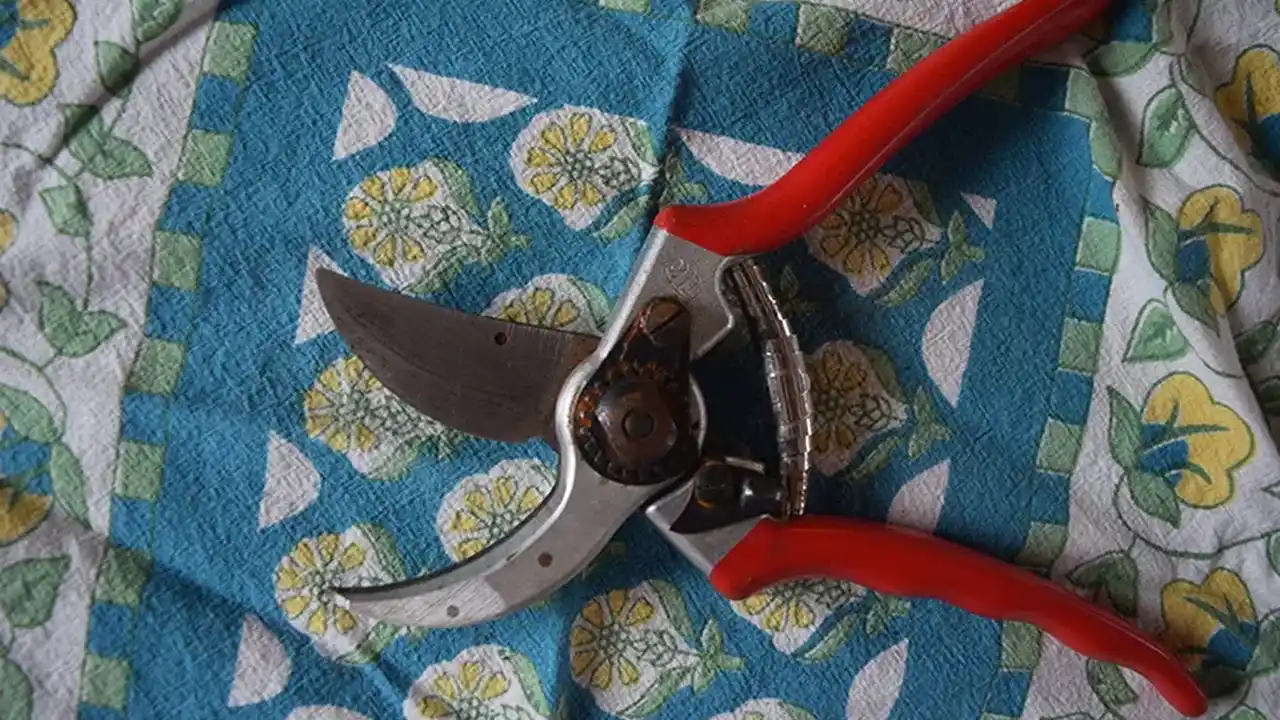
These are your best friends for harvesting anything that needs a clean cut, like tomatoes, peppers, herbs, and even some leafy greens. A clean cut prevents damage to the plant and reduces the risk of disease. Look for sharp blades and comfortable handles.
- Fiskars Micro-Tip Pruning Snips: These are fantastic for delicate work. They're super sharp, precise, and fit comfortably in your hand. Great for herbs, small peppers, and snipping individual leaves. They usually retail for around $15-$20.
- Felco F-2 Classic Manual Hand Pruner: If you want something more heavy-duty that will last a lifetime, Felco is the gold standard. While a bit pricier (around $60-$80), they're incredibly durable, can be sharpened, and parts are replaceable. Perfect for thicker stems on squash or larger tomato plants.
- Gonicc 8" Professional Pruning Shears: A good mid-range option, often found for $20-$30. They offer good sharpness and ergonomic handles, suitable for general harvesting tasks.
Harvesting Baskets and Bags for Easy Collection
You need something to put all that delicious produce in! A good harvesting basket or bag makes it easy to collect your veggies without bruising them, and many are designed for easy rinsing.
- Gardeners Supply Company Harvesting Basket: These are often made of durable plastic or coated wire mesh, allowing you to rinse your produce right in the basket. They're sturdy and come in various sizes. Expect to pay around $25-$40 depending on size.
- Berry Picking Basket with Handle: Smaller, often wooden or wicker baskets are great for delicate fruits like berries, cherry tomatoes, or small peppers. They prevent crushing. Prices vary widely, but good ones are around $15-$30.
- Mesh Produce Bags: For a lightweight and reusable option, mesh produce bags are excellent. They're breathable, washable, and perfect for leafy greens or beans. You can find sets of these for $10-$20.
Digging Forks or Trowels for Root Vegetables
When it comes to root vegetables, you need tools that can gently loosen the soil without damaging your precious harvest.
- Fiskars Ergo Garden Fork: This is a great tool for loosening soil around potatoes, carrots, and beets. The ergonomic handle makes it comfortable to use. Typically around $40-$60.
- AMES Ergo Gel Grip Trowel: For smaller root crops or just checking on their size, a sturdy trowel is indispensable. Look for one with a comfortable grip and a strong blade. These are usually $10-$20.
- DeWit Forged Hand Fork: If you want a hand tool that will last forever, DeWit tools are handcrafted in Holland and incredibly durable. Their hand fork is perfect for precise digging around root crops. Expect to pay $30-$50.
Best Practices for Harvesting Vegetables to Maximize Yield
Harvesting isn't just about picking; it's about encouraging your plants to produce even more! Here are some tips to get the most out of your garden throughout the season.
Harvest Regularly for Continuous Production
This is probably the most important tip, especially for fruiting vegetables like beans, cucumbers, zucchini, and peppers. The more you pick, the more the plant will produce. If you leave ripe vegetables on the plant, it signals to the plant that its job is done, and it will slow down or stop producing new flowers and fruits. For example, check your zucchini plants daily during peak season – they can go from small to giant overnight! Regular harvesting also helps prevent pests and diseases from taking hold in overripe or rotting produce.
Harvest in the Morning for Best Flavor and Shelf Life
The best time to harvest most vegetables is in the cool of the morning, after the dew has dried but before the heat of the day sets in. At this time, plants are fully hydrated, and their sugars are concentrated, leading to the best flavor. Vegetables harvested in the morning also tend to have a longer shelf life because they haven't been stressed by the midday sun. Avoid harvesting in the middle of a hot day, as the produce will wilt quickly and have a shorter storage time.
Handle with Care to Prevent Bruising
Your homegrown vegetables are delicate! Handle them gently to avoid bruising, which can lead to spoilage. Place them carefully into your harvesting basket or bag, rather than tossing them in. For delicate items like berries or soft tomatoes, consider harvesting into shallow containers to prevent them from being crushed by their own weight.
Clean Your Tools for Plant Health
Just like you wash your hands before eating, it's a good idea to clean your harvesting tools regularly. Sap and soil can build up on blades, making them less effective. More importantly, dirty tools can spread plant diseases from one plant to another. A quick wipe down with rubbing alcohol or a bleach solution (1 part bleach to 9 parts water) after each use, especially if you're moving between different types of plants or if you suspect a plant has a disease, can make a big difference.
Specific Harvesting Guides for Popular Vegetables
Let's get a bit more specific with some of the most common vegetables you'll likely be growing in your beginner garden.
Tomatoes Harvesting for Maximum Sweetness
When: Tomatoes are ready when they've reached their full, uniform color (red, yellow, orange, etc., depending on the variety) and feel slightly soft when gently squeezed. They should also smell fragrant. Don't pick them when they're still hard and pale, even if they've started to show some color. Let them ripen on the vine for the best flavor. If frost is coming, you can pick slightly green tomatoes and ripen them indoors.
How: Gently twist the tomato off the vine, or use clean pruners or snips to cut the stem just above the calyx (the green leafy part at the top). Try to leave the green cap on the tomato, as it helps with storage.
Cucumbers Harvesting for Crispness
When: Pick cucumbers when they are firm, green, and have reached a good size for their variety (usually 6-8 inches for slicing cucumbers, 2-4 inches for pickling). Don't let them get too big and yellow, as they'll become seedy and bitter. Harvest frequently to encourage more production.
How: Use a sharp knife or pruners to cut the stem about an inch above the cucumber. Pulling them off can damage the vine.
Green Beans Harvesting for Tenderness
When: Green beans are ready when the pods are firm, plump, and snap easily. You should be able to feel the beans inside, but they shouldn't be bulging too much. Pick them before the seeds fully develop, as they'll become tough and stringy.
How: Gently snap or snip the beans off the plant, being careful not to pull on the vine. Harvest every 2-3 days during peak season.
Zucchini and Summer Squash Harvesting for Flavor
When: This is where many beginners go wrong! Zucchini and summer squash grow incredibly fast. Pick them when they are young and tender, typically 6-8 inches long for zucchini, and 4-6 inches for pattypan or other summer squash varieties. If you let them get too big, they become watery, less flavorful, and seedy. Plus, leaving giant squash on the plant will reduce future production.
How: Use a sharp knife or pruners to cut the stem, leaving about an inch attached to the squash. The stems can be quite prickly, so gloves are a good idea.
Lettuce and Spinach Harvesting for Continuous Yield
When: For 'cut and come again' varieties, harvest the outer leaves when they are large enough to eat, but still tender. For head lettuce, wait until the head is firm and well-formed. Harvest spinach when leaves are 4-6 inches long.
How: For loose-leaf varieties, snip off the outer leaves about an inch from the base of the plant. For head lettuce, cut the entire head at the base. For spinach, you can either pick individual leaves or cut the whole plant about an inch above the soil line for a second flush of growth.
Peppers Harvesting for Color and Firmness
When: Bell peppers can be harvested when they are green and firm, or you can wait for them to change color (red, yellow, orange, etc.) for a sweeter flavor. Hot peppers are usually harvested when they reach their mature color and desired heat level. They should feel firm.
How: Use pruners or a sharp knife to cut the stem about an inch above the pepper. Pulling can damage the plant.
Carrots and Beets Harvesting for Size
When: Carrots are ready when their tops are about 1/2 to 1 inch in diameter and peek out of the soil. Beets are ready when their roots are 1-3 inches in diameter. You can gently brush away some soil to check their size.
How: Loosen the soil around the roots with a digging fork or trowel, then gently pull the vegetables by their greens. If the soil is very compact, water it thoroughly before harvesting to make pulling easier.
Post-Harvest Care and Storage Tips
So, you've harvested your beautiful vegetables. Now what? Proper post-harvest care and storage are crucial to keeping your produce fresh and delicious for as long as possible.
Cleaning Your Harvest Gently
Once harvested, gently brush off any excess soil. For most vegetables, it's best to wash them just before you're ready to use them, as washing can introduce moisture that encourages spoilage. However, root vegetables like carrots and potatoes might benefit from a quick rinse to remove heavy soil, then allowed to air dry completely before storage.
Trimming and Preparing for Storage
For leafy greens, remove any damaged or yellowing leaves. For root vegetables, trim off the green tops, leaving about an inch of stem. This prevents the greens from drawing moisture and nutrients from the root, which can make them go soft. For example, if you leave carrot tops on, your carrots will become limp much faster.
Optimal Storage Conditions for Different Vegetables
Different vegetables have different storage needs. Here's a quick guide:
- Refrigerate (Crisper Drawer): Most leafy greens (in a plastic bag or container to retain moisture), green beans, cucumbers, peppers, broccoli, cauliflower, corn (in husk).
- Cool, Dark Place (Pantry or Root Cellar): Potatoes, onions, garlic, winter squash, sweet potatoes. Keep them separate from each other, as some (like onions and potatoes) can cause others to spoil faster.
- Countertop (Room Temperature): Tomatoes (until fully ripe, then refrigerate if not eaten quickly), basil (in a jar of water like a bouquet), avocados, bananas.
Remember, homegrown produce often doesn't last as long as store-bought because it hasn't been treated with chemicals or stored in controlled atmospheres. Enjoy it fresh, or consider preserving methods like freezing, canning, or dehydrating if you have an abundance!
Troubleshooting Common Harvesting Issues
Even with the best intentions, you might run into a few snags during harvest time. Here are some common issues and how to address them.
Vegetables Not Sizing Up
If your carrots are tiny or your tomatoes aren't getting big, it could be a few things. Lack of water is a common culprit, especially during dry spells. Ensure consistent watering. Nutrient deficiencies can also play a role; a soil test can help identify if your soil is lacking in essential nutrients. Overcrowding is another big one – if plants are too close together, they compete for resources. Make sure you've thinned your seedlings properly.
Pest Damage at Harvest Time
It's heartbreaking to find your nearly ripe produce riddled with pest damage. Regular inspection of your plants throughout the growing season is key to catching pests early. For larger pests like hornworms, hand-picking is effective. For smaller ones like aphids, a strong spray of water or insecticidal soap can help. Consider companion planting to deter pests naturally, or use physical barriers like row covers early in the season.
Bolting or Bitterness in Leafy Greens
When leafy greens 'bolt,' they send up a flower stalk and become bitter. This is usually triggered by warm weather and longer daylight hours. To prevent this, plant heat-tolerant varieties, provide some afternoon shade, and harvest regularly. Once a plant bolts, it's usually best to remove it and plant a new batch, perhaps in a shadier spot or for a fall harvest.
Cracked Tomatoes
Cracked tomatoes are often caused by inconsistent watering. A long dry spell followed by a heavy rain or watering can cause the fruit to swell too quickly, leading to cracks. Try to maintain consistent soil moisture, especially as fruits are ripening. Mulching around your plants can help regulate soil moisture.
Harvesting your own vegetables is one of the most rewarding parts of gardening. It's a continuous learning process, and each season brings new lessons. By understanding the signs of ripeness, using the right tools, and following good harvesting practices, you'll be enjoying fresh, delicious produce from your garden all season long. Happy harvesting!
:max_bytes(150000):strip_icc()/277019-baked-pork-chops-with-cream-of-mushroom-soup-DDMFS-beauty-4x3-BG-7505-5762b731cf30447d9cbbbbbf387beafa.jpg)