Garden Tool Maintenance 4 Essential Tips
Keep your gardening tools in top condition with these 4 essential maintenance tips. Extend their lifespan and efficiency.
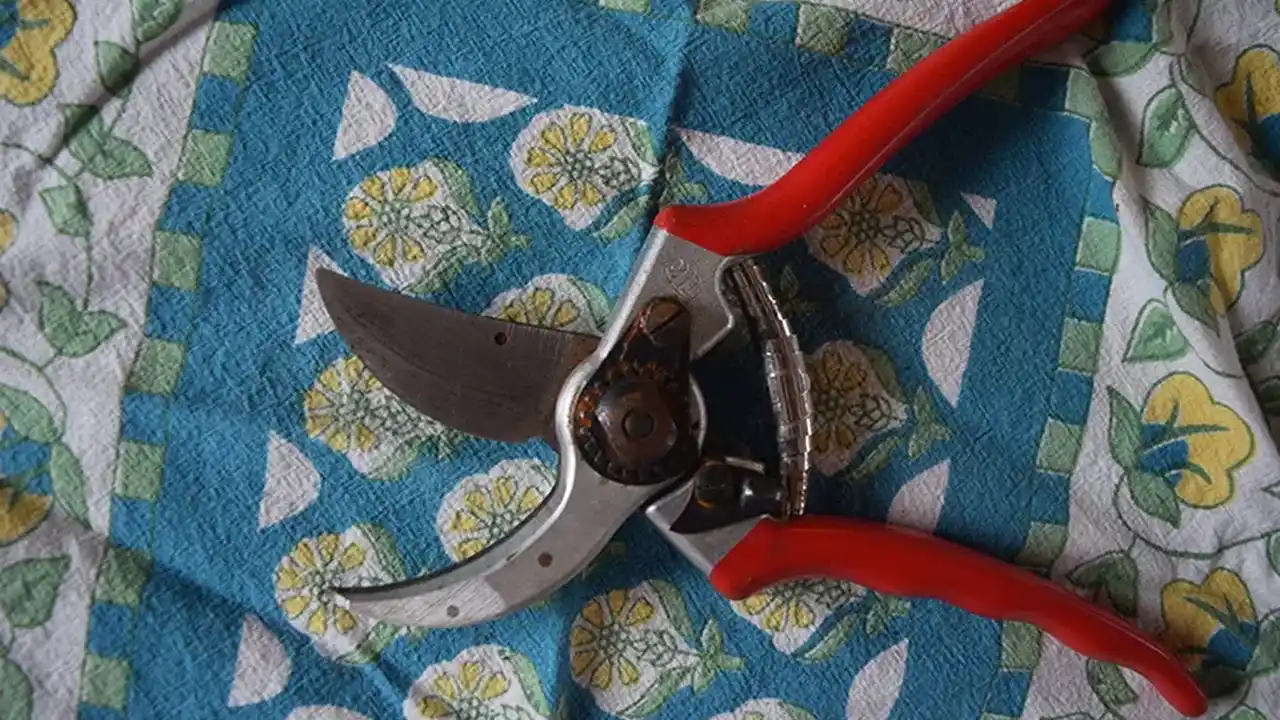
Keep your gardening tools in top condition with these 4 essential maintenance tips. Extend their lifespan and efficiency.
Garden Tool Maintenance 4 Essential Tips
Gardening is a rewarding hobby, but like any craft, it relies heavily on the quality and condition of your tools. Just as a chef sharpens their knives or a carpenter maintains their saws, a gardener must care for their spades, pruners, and hoes. Neglecting your tools not only makes gardening harder and less efficient but can also lead to premature wear and tear, forcing you to replace them more often. Proper garden tool maintenance isn't just about saving money; it's about ensuring your tools are always ready for action, perform optimally, and last for years, becoming trusted extensions of your gardening passion. This comprehensive guide will delve into four essential tips for keeping your garden tools in pristine condition, covering everything from cleaning and sharpening to rust prevention and proper storage. We'll also recommend specific products and discuss their applications, helping you make informed choices for your tool care arsenal.
Why Garden Tool Maintenance Matters for Every Gardener
Before we dive into the 'how,' let's briefly touch upon the 'why.' Why should you dedicate time to maintaining your garden tools? The reasons are manifold and directly impact your gardening success and enjoyment. Firstly, sharp and clean tools make your work significantly easier. A sharp pruner makes clean cuts that heal faster on plants, reducing the risk of disease. A clean spade glides through soil with less effort. Secondly, well-maintained tools last longer. Rust, dull blades, and dried-on sap can quickly degrade your tools, leading to costly replacements. Thirdly, it's about safety. A dull blade is more likely to slip and cause injury than a sharp one. Finally, it's about efficiency and pleasure. When your tools are in top shape, gardening becomes a more enjoyable and productive experience.
Tip 1: Clean Your Tools After Every Use The Foundation of Care
This is perhaps the most fundamental and often overlooked aspect of tool maintenance. It sounds simple, but consistently cleaning your tools after every single use is the single most effective way to prevent rust, sap buildup, and soil accumulation. Soil, especially clay-rich varieties, can be abrasive and hold moisture, leading to corrosion. Plant sap, particularly from resinous plants, can gum up blades, making them sticky and less effective. Ignoring this step is like never washing your dishes; eventually, things get pretty unpleasant and unusable.
Cleaning Techniques for Different Tool Types
- Hand Tools (Trowels, Cultivators, Weeding Forks): For general soil, a stiff brush or an old rag is usually sufficient. If soil is caked on, use a strong stream of water from a hose. For stubborn, dried-on dirt, a putty knife or a wire brush can be effective.
- Cutting Tools (Pruners, Loppers, Shears): These require a bit more attention due to sap buildup. After each use, wipe the blades with a rag. If sap is present, use a solvent.
- Long-Handled Tools (Spades, Shovels, Hoes, Rakes): Scrape off any large clumps of soil with a stick or another tool. Then, use a stiff brush or a hose to remove remaining dirt. Pay particular attention to the joints and connections where moisture can get trapped.
Recommended Cleaning Products and Their Uses
While water and a brush are often enough, certain products can make the cleaning process more effective, especially for cutting tools and rust prevention.
- Rubbing Alcohol (Isopropyl Alcohol): Excellent for dissolving plant sap and disinfecting blades. This is crucial for preventing the spread of plant diseases from one plant to another. Simply wipe down your pruner blades with an alcohol-soaked rag after pruning diseased plants or between different plants. Price: ~$5-10 for a large bottle. Availability: Most pharmacies and supermarkets.
- Mineral Spirits or Turpentine: For very stubborn, resinous sap that alcohol can't handle. Use in a well-ventilated area and wear gloves. Price: ~$10-20 for a quart. Availability: Hardware stores.
- Wire Brush: Indispensable for removing caked-on dirt and light rust from metal surfaces. A brass wire brush is softer and less likely to scratch than steel, making it ideal for finer tools. Price: ~$5-15 for a set. Availability: Hardware stores, online retailers.
- Stiff Bristle Brush: For general cleaning of soil from all types of tools. An old dish brush or a dedicated garden brush works well. Price: ~$3-10. Availability: Supermarkets, garden centers.
- Sandpaper (Medium to Fine Grit): Useful for removing light rust spots or smoothing out nicks on metal surfaces before sharpening. Price: ~$5-10 for a multi-pack. Availability: Hardware stores.
Tip 2: Sharpen Your Blades for Optimal Performance and Plant Health
A sharp blade is not just about making your job easier; it's vital for the health of your plants. Dull blades tear and crush plant tissue, creating ragged wounds that are slow to heal and susceptible to disease. Sharp blades make clean, precise cuts, promoting faster healing and healthier growth. Think of it like surgery; you wouldn't want a surgeon using a dull scalpel.
When and How to Sharpen Different Tools
- Pruners, Loppers, Shears: These are your most frequently used cutting tools and should be sharpened regularly, ideally after every few uses or whenever you notice them tearing rather than cleanly cutting.
- Spades, Shovels, Hoes: While not as critical as pruners, a sharp edge on these tools makes digging and weeding significantly easier. Sharpen them a few times a season or when you notice them struggling to penetrate soil.
Recommended Sharpening Tools and Techniques
There are several effective tools for sharpening, each with its own advantages. Always wear gloves and eye protection when sharpening.
- Diamond Sharpening File/Stone: These are excellent for pruners, loppers, and knives. They come in various grits (coarse, medium, fine). Start with a medium grit for general sharpening and finish with a fine grit for a razor edge. Hold the blade at its original bevel angle (usually 20-30 degrees) and push the file across the cutting edge in one direction, away from your body. Repeat on one side only for bypass pruners (the beveled side), and on both sides for anvil pruners or knives. Recommended Product: DMT Dia-Sharp Diamond Sharpening Stone (Fine/Coarse). Price: ~$30-50. Availability: Hardware stores, outdoor retailers, online.
- Whetstone/Sharpening Stone: Similar to diamond files but require lubrication (water or honing oil). They offer a very fine edge. Recommended Product: Norton Combination India Oilstone. Price: ~$20-40. Availability: Hardware stores, online.
- Handheld Blade Sharpener (e.g., Fiskars Blade Sharpener): These are very user-friendly for quick touch-ups on pruners and shears. They often have pre-set angles, making them easy for beginners. While convenient, they may not achieve the same razor-sharp edge as a file or stone. Recommended Product: Fiskars Blade Sharpener. Price: ~$10-15. Availability: Garden centers, hardware stores, online.
- Mill Bastard File: Ideal for sharpening spades, shovels, and hoes. These are larger, coarser files. Secure the tool in a vise if possible. File along the existing bevel, pushing the file away from you. Recommended Product: Nicholson Mill Bastard File. Price: ~$15-25. Availability: Hardware stores, online.
Tip 3: Prevent Rust The Enemy of Metal Tools
Rust is the archenemy of metal garden tools. It weakens the metal, dulls blades, and can eventually render a tool unusable. Prevention is far easier than removal. The key is to keep tools dry and protected from moisture.
Strategies for Rust Prevention
- Thorough Drying: After cleaning with water, always ensure tools are completely dry before storing them. A quick wipe with a rag is often not enough; let them air dry in a warm, dry place or use a fan.
- Oiling Metal Surfaces: This creates a protective barrier against moisture. A thin coat is all that's needed.
- Proper Storage: Store tools in a dry environment, away from direct contact with concrete floors (which can wick moisture).
Recommended Rust Prevention Products and Their Application
- Linseed Oil (Boiled Linseed Oil): Excellent for both metal and wooden handles. For metal, apply a thin coat with a rag after cleaning and drying. It penetrates and protects. For wooden handles, it nourishes the wood, preventing cracking and splintering. Price: ~$15-25 for a quart. Availability: Hardware stores, art supply stores.
- 3-in-One Oil or WD-40: These are general-purpose lubricants and rust inhibitors. Spray a light coat on metal parts, especially moving joints of pruners, and wipe off any excess. WD-40 is also good for displacing water. Price: ~$5-10 for a can. Availability: Most stores.
- Camellia Oil: A traditional Japanese oil, particularly favored for fine cutting tools like Japanese pruners. It's non-toxic and provides excellent rust protection. Price: ~$10-20 for a small bottle. Availability: Specialty garden stores, online.
- Silicone Spray: Can be used on metal surfaces to create a slick, water-repellent barrier. Good for shovels and spades to prevent soil from sticking. Price: ~$5-15 for a can. Availability: Hardware stores.
- Sand Bucket with Oil: For long-handled tools like shovels and hoes, a simple and effective storage method is to keep a bucket filled with sand mixed with a cup of motor oil (used motor oil works fine). Plunge the metal ends of your tools into this mixture after use. The sand acts as an abrasive to clean off dirt, and the oil coats the metal, preventing rust. Cost: Minimal, just sand and oil. Availability: Sand from hardware stores, oil from auto parts stores.
Tip 4: Proper Storage and Organization Protecting Your Investment
Even the most meticulously cleaned and sharpened tools will suffer if not stored correctly. Proper storage protects them from the elements, prevents damage, and makes them easy to find when you need them.
Best Practices for Tool Storage
- Dry Environment: As mentioned, moisture is the enemy. Store tools in a shed, garage, or other dry, sheltered area. Avoid leaving them outside, even under an overhang.
- Hang Them Up: Whenever possible, hang tools on hooks or a pegboard. This keeps them off the floor, preventing contact with moisture and reducing the risk of tripping hazards. It also makes them easily accessible.
- Tool Boxes/Bags for Hand Tools: For smaller hand tools like trowels, pruners, and gloves, a dedicated toolbox or sturdy canvas tool bag keeps them organized and protected. This is especially useful if you move your tools around the garden frequently.
- Protect Blades: For very sharp or delicate blades, consider using blade covers or sheaths. This protects the blade from damage and protects you from accidental cuts.
Recommended Storage Solutions and Their Benefits
- Wall-Mounted Tool Racks/Pegboards: These are fantastic for maximizing space and keeping tools visible and organized. They come in various sizes and materials. Recommended Product: Wall Control Pegboard System. Price: ~$50-150+ depending on size. Availability: Hardware stores, online.
- Garden Tool Organizers (Freestanding): If wall space is limited, freestanding organizers can hold long-handled tools upright. Look for sturdy plastic or metal options that won't rust. Recommended Product: Rubbermaid Deluxe Tool Tower. Price: ~$30-50. Availability: Hardware stores, online.
- Heavy-Duty Tool Bags/Totes: For carrying tools around the garden or for smaller collections. Look for durable canvas or reinforced nylon with multiple pockets. Recommended Product: CLC Custom Leathercraft 1539 Multi-Compartment Tool Carrier. Price: ~$30-60. Availability: Hardware stores, online.
- Blade Covers/Sheaths: Often made of leather or heavy-duty fabric. Essential for protecting sharp edges and for safety. Some pruners come with them, or they can be purchased separately. Price: ~$5-20 per cover. Availability: Garden centers, online.
Beyond the Basics: Advanced Tips for Tool Longevity
While the four main tips cover the essentials, here are a few additional considerations for the dedicated gardener:
Addressing Rust: When Prevention Fails
If rust has already set in, don't despair. For light rust, a wire brush and sandpaper (medium to fine grit) can often remove it. For more severe rust, consider using a rust remover product (e.g., Evapo-Rust, CLR). Always follow product instructions and wear appropriate safety gear. After removing rust, clean and oil the tool immediately to prevent recurrence.
Maintaining Wooden Handles: Nourishing Your Grips
Wooden handles can dry out, crack, and splinter over time. To prevent this, periodically rub them down with boiled linseed oil. Apply a generous coat, let it soak in for 15-30 minutes, then wipe off any excess. This will keep the wood supple and comfortable to grip. Do this once or twice a year, or as needed.
Lubricating Moving Parts: Smooth Operation
For tools with moving parts, like pruners and loppers, a drop of lubricating oil (like 3-in-One oil or even a light motor oil) on the pivot point will ensure smooth operation and prevent seizing. Do this after cleaning and before storage.
Inspecting for Damage: Early Detection
Regularly inspect your tools for any signs of damage – loose handles, bent tines, cracked plastic. Addressing these issues early can prevent them from worsening and potentially causing injury or further tool damage. Tighten screws, replace broken parts, or repair as needed.
The Payoff: A Lifetime of Efficient Gardening
Investing a little time in garden tool maintenance pays dividends in the long run. You'll have tools that perform better, last longer, and make your gardening tasks more enjoyable and efficient. It's a small habit that yields significant rewards, transforming your gardening experience from a chore into a true pleasure. So, next time you finish a session in the garden, take those extra few minutes to clean, sharpen, oil, and properly store your tools. Your plants, your wallet, and your future self will thank you.
:max_bytes(150000):strip_icc()/277019-baked-pork-chops-with-cream-of-mushroom-soup-DDMFS-beauty-4x3-BG-7505-5762b731cf30447d9cbbbbbf387beafa.jpg)