Setting Up Your First Garden Bed Raised vs In-Ground
Compare raised garden beds and in-ground gardens. Find out which setup is best for your space and gardening goals.
Compare raised garden beds and in-ground gardens. Find out which setup is best for your space and gardening goals.
Setting Up Your First Garden Bed Raised vs In-Ground
So, you're ready to get your hands dirty and start your very first garden! That's fantastic. One of the biggest decisions you'll face right at the beginning is whether to go with a raised garden bed or an in-ground garden. Both have their pros and cons, and what's best for you really depends on your specific situation, your budget, and what you hope to achieve with your garden. Let's dive deep into both options, compare them, and even recommend some products to help you get started.
Understanding In-Ground Gardens The Traditional Approach
When most people picture a garden, they're probably thinking of an in-ground garden. This is the classic method where you prepare a section of your existing yard, amend the soil, and plant directly into the earth. It's been done this way for centuries, and for good reason – it can be incredibly effective and cost-efficient.
Pros of In-Ground Gardening
- Cost Effective Gardening: Generally, setting up an in-ground garden is cheaper. You're primarily investing in soil amendments, tools for digging, and plants. There's no need to buy lumber, bricks, or specialized kits for building walls.
- Unlimited Space Potential: If you have a large yard, an in-ground garden allows you to expand as much as you want. You're not limited by the size of a constructed bed.
- Natural Drainage Solutions: In-ground gardens often have better natural drainage, especially if your soil is well-draining. Water can seep deep into the earth, reducing the risk of waterlogging.
- Soil Health and Microorganisms: Plants in in-ground gardens can tap into a larger volume of soil and nutrients. The natural soil ecosystem, with its vast network of microorganisms and fungi, is often more robust and self-sustaining.
- Less Watering Frequency: Due to the larger soil volume, in-ground gardens tend to retain moisture longer than raised beds, potentially reducing your watering frequency, especially in cooler climates.
Cons of In-Ground Gardening
- Soil Quality Challenges: Your existing soil might not be ideal. It could be compacted clay, sandy, or nutrient-poor. Amending poor soil can be a lot of work and take time to improve.
- Weed Control Issues: Weeds are often a bigger battle in in-ground gardens because their seeds are already present in the native soil. You'll likely spend more time weeding.
- Pest Management Difficulties: Ground-dwelling pests like slugs, snails, and voles can be more problematic as they have direct access to your plants from the surrounding soil.
- Physical Strain and Accessibility: Bending over to plant, weed, and harvest can be tough on your back and knees. In-ground gardens are less accessible for those with mobility issues.
- Drainage Problems in Clay Soil: If you have heavy clay soil, drainage can be a significant issue, leading to root rot and other problems.
Exploring Raised Garden Beds Modern Gardening Solutions
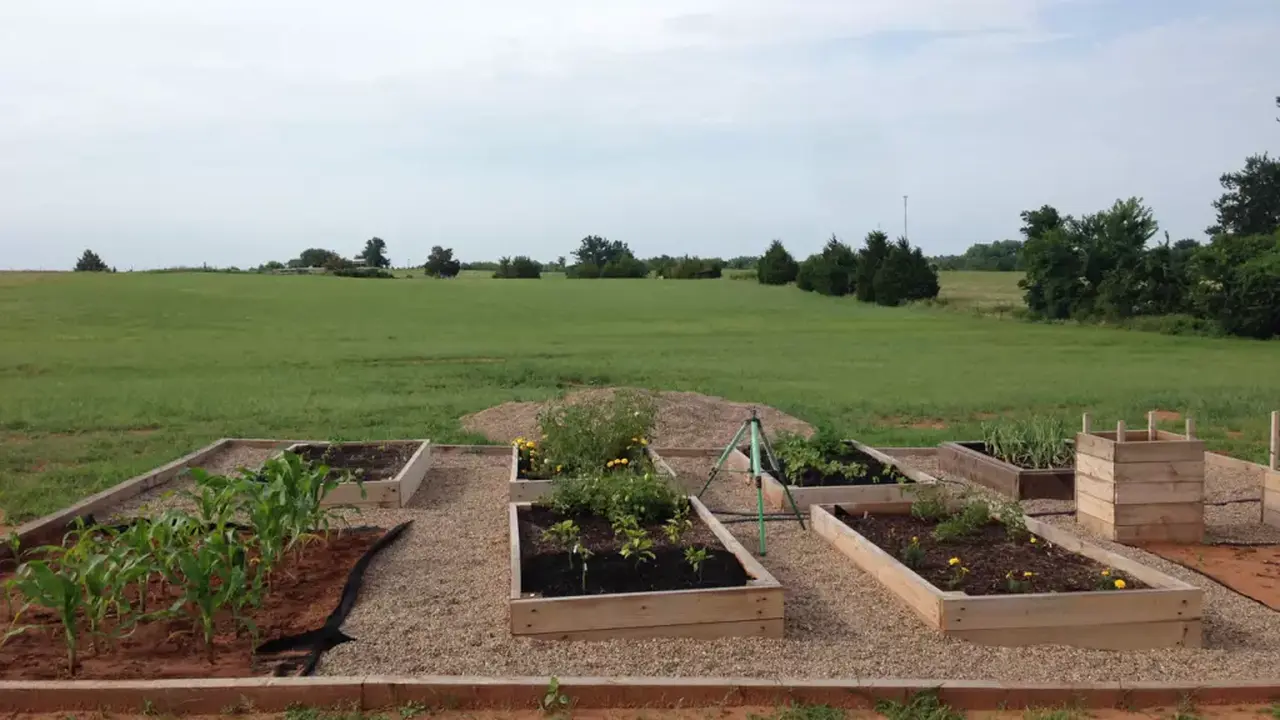
Raised garden beds are essentially containers without bottoms, built directly on top of the existing ground. They're filled with imported, high-quality soil, offering a more controlled growing environment. They've become incredibly popular, especially in urban areas or for gardeners looking for more convenience.
Pros of Raised Bed Gardening
- Superior Soil Control: This is perhaps the biggest advantage. You get to choose and fill your raised bed with the perfect soil mix, ensuring optimal drainage, aeration, and nutrient content from day one.
- Reduced Weeding Effort: Since you're bringing in new, weed-free soil, you'll have significantly fewer weeds to contend with. Any weeds that do appear are usually easier to pull.
- Improved Drainage and Aeration: The elevated nature and custom soil mix of raised beds provide excellent drainage, preventing waterlogged roots. The soil also stays looser and more aerated.
- Extended Growing Season: The soil in raised beds warms up faster in spring, allowing you to plant earlier. It also drains better, which can extend your growing season into the fall.
- Enhanced Accessibility and Comfort: Raised beds bring the garden up to you, reducing the need for bending and kneeling. This makes gardening more comfortable and accessible for people of all ages and physical abilities.
- Pest Deterrence: The raised walls can act as a barrier against some ground-dwelling pests. You can also more easily add pest-control measures like copper tape or hardware cloth.
- Aesthetic Appeal and Garden Design: Raised beds offer a neat, organized, and often very attractive look to your garden space. They can be a beautiful focal point in your yard.
Cons of Raised Bed Gardening
- Higher Initial Cost: Building or buying raised beds can be more expensive due to the materials (wood, metal, stone) and the large volume of soil you'll need to fill them.
- Increased Watering Needs: Because raised beds drain so well and the soil is exposed to more air, they tend to dry out faster than in-ground gardens, requiring more frequent watering.
- Limited Size and Expansion: You're constrained by the dimensions of your raised beds. Expanding your garden means building more beds, which adds to the cost and effort.
- Material Degradation: Depending on the material, raised beds can degrade over time (e.g., wood rotting), requiring maintenance or replacement.
- Soil Compaction Over Time: While initially loose, the soil in raised beds can still compact over time, especially if you step in them.
Key Considerations for Your Garden Setup Decision
Now that we've laid out the pros and cons, let's think about what factors should influence your choice.
Your Existing Soil Quality and Garden Site
If your current soil is fantastic – rich, loamy, and well-draining – then an in-ground garden might be a no-brainer. However, if you're dealing with heavy clay, rocky soil, or contaminated soil (e.g., from an old house site), a raised bed is a much easier way to bypass these issues and start with a clean slate.
Budget and Financial Investment
Are you looking for the most economical way to start? In-ground is usually cheaper upfront. If you have a bit more to invest and value convenience and control, raised beds might be worth the extra cost.
Physical Ability and Accessibility Needs
This is a huge factor. If bending and kneeling are difficult for you, or if you use a wheelchair, raised beds are a game-changer. You can build them to a comfortable height, making gardening enjoyable and accessible.
Time Commitment for Garden Maintenance
While raised beds have a higher initial setup cost, they often save you time in the long run due to less weeding and easier pest management. If you're short on time, this could be a significant advantage.
Aesthetic Preferences and Garden Design
Do you prefer the natural, flowing look of an in-ground garden, or the neat, structured appearance of raised beds? Both can be beautiful, but they offer different visual styles.
Climate and Local Weather Conditions
In colder climates, raised beds warm up faster in spring, giving you a head start. In very hot, dry climates, in-ground gardens might retain moisture better, reducing watering needs. Consider your local conditions.
Recommended Products for Your First Garden Bed
Whether you choose in-ground or raised, having the right tools and materials makes all the difference. Here are some recommendations, including specific products and their typical price ranges.
For In-Ground Garden Preparation
Even for an in-ground garden, you'll need to prepare the soil. This often involves digging, breaking up clumps, and adding amendments.
-
Spade or Digging Fork: Essential for breaking ground. A good quality spade will last years.
- Product Example: Fiskars Ergo D-Handle Steel Garden Fork
- Use Case: Ideal for turning soil, aerating, and breaking up compacted earth.
- Comparison: A spade is better for cutting and lifting, a fork for breaking up and aerating. Many gardeners get both.
- Price Range: $30 - $60
-
Soil Amendments (Compost, Topsoil, Manure): To improve your existing soil.
- Product Example: Local garden center compost or bagged organic topsoil. Brands vary by region.
- Use Case: Mix into your native soil to improve fertility, drainage, and structure.
- Comparison: Compost is great for overall improvement; manure adds specific nutrients; perlite/vermiculite improve drainage.
- Price Range: $5 - $15 per bag (1-2 cubic feet), or $30 - $60 per cubic yard from bulk suppliers.
-
Garden Hoe: For weeding and cultivating the top layer of soil.
- Product Example: Ames True Temper Action Hoe
- Use Case: Quickly chops weeds just below the soil surface.
- Comparison: Different hoes exist (draw hoe, stirrup hoe). The action hoe is very efficient for weeding.
- Price Range: $20 - $40
For Raised Garden Bed Construction
If you opt for raised beds, you'll need materials for the frame and a lot of soil to fill them.
-
Raised Bed Kits (Wood, Metal, Composite): These are pre-cut and easy to assemble.
- Product Example (Wood): Greenes Fence Original Cedar Raised Garden Bed (4 ft x 8 ft x 10.5 in)
- Use Case: A classic, natural look. Cedar is naturally rot-resistant.
- Comparison: Wood is traditional, metal (like galvanized steel) is durable and modern, composite is long-lasting and low maintenance.
- Price Range: $80 - $300+ depending on size and material. The Greenes Cedar 4x8 is often around $150-$200.
-
Product Example (Metal): Vego Garden Metal Raised Garden Bed (17 in tall, various sizes)
- Use Case: Extremely durable, long-lasting, and often comes in taller heights for easier access.
- Comparison: Higher upfront cost but can last for decades. Excellent for modern aesthetics.
- Price Range: $150 - $400+ depending on size and height. A popular 8x4 ft Vego bed might be $250-$350.
-
Raised Bed Soil Mix: You'll need a lot of it! A good mix is crucial.
- Product Example: Espoma Organic Raised Bed Mix or FoxFarm Ocean Forest Potting Soil (for smaller beds/premium)
- Use Case: Specifically formulated for raised beds, offering excellent drainage and nutrients.
- Comparison: Look for mixes with compost, peat moss (or coir), and perlite/vermiculite. Avoid cheap 'topsoil' that might be too heavy.
- Price Range: $10 - $25 per bag (1.5-2 cubic feet). A 4x8x1 ft bed needs about 32 cubic feet, so roughly 16-20 bags, costing $160 - $500. Bulk delivery from local nurseries is often more cost-effective for larger beds ($40 - $80 per cubic yard).
-
Weed Barrier Fabric (Optional but Recommended): To place at the bottom of your raised bed.
- Product Example: DeWitt Pro-5 Weed Barrier Fabric
- Use Case: Prevents weeds from growing up from the ground below into your raised bed, while still allowing water drainage.
- Comparison: Some gardeners use cardboard, but fabric is more durable.
- Price Range: $20 - $50 for a roll, depending on size.
Making Your Final Garden Bed Decision
There's no single 'right' answer when it comes to choosing between an in-ground garden and a raised garden bed. It truly boils down to your personal circumstances and priorities. If you have good soil, a tight budget, and don't mind a bit more physical labor, an in-ground garden can be a wonderful, productive choice.
However, if you're dealing with poor soil, want to minimize weeding, need better accessibility, or simply prefer a more structured and aesthetically pleasing garden space, a raised bed is likely your best bet. The initial investment might be higher, but the long-term benefits in terms of ease of maintenance and control can be well worth it.
Many gardeners even combine both methods, using raised beds for vegetables that need specific soil conditions or for easy access, and in-ground beds for larger plants or perennial flowers. Start small, learn what works for you, and most importantly, enjoy the process of growing your own food and flowers!
Happy gardening!
:max_bytes(150000):strip_icc()/277019-baked-pork-chops-with-cream-of-mushroom-soup-DDMFS-beauty-4x3-BG-7505-5762b731cf30447d9cbbbbbf387beafa.jpg)