Improving Poor Soil Quality 5 Easy Steps
Transform poor soil into rich, fertile ground with these 5 easy steps. Essential for healthy plant growth.
Transform poor soil into rich, fertile ground with these 5 easy steps. Essential for healthy plant growth.
Improving Poor Soil Quality 5 Easy Steps
Hey there, fellow green thumbs! Ever look at your garden and wonder why your plants aren't thriving, despite all your efforts? More often than not, the culprit isn't your watering schedule or sunlight, but the very foundation of your garden: the soil. Poor soil quality can lead to stunted growth, nutrient deficiencies, and a whole lot of frustration. But don't despair! Improving your soil isn't as daunting as it sounds. In fact, it's one of the most rewarding things you can do for your garden. Think of it as giving your plants the best possible home. Ready to dig in? Let's explore five easy steps to turn that lackluster dirt into a vibrant, life-giving medium.
Understanding Your Soil The First Step to Better Growth
Before you start adding anything to your soil, it's crucial to understand what you're working with. Is it heavy clay, sandy, or something in between? Knowing your soil type helps you tailor your approach. You can do a simple 'jar test' by mixing soil with water in a jar and letting it settle to see the layers of sand, silt, and clay. Even better, a soil test kit can give you detailed information about your soil's pH level and nutrient deficiencies. This isn't just a fancy step; it's foundational. Without knowing what's missing or what's in excess, you're just guessing, and gardening is much more successful when you're informed.
Recommended Soil Test Kits for Home Gardeners
- Rapitest Soil Test Kit: This is a classic, easy-to-use kit that provides quick results for pH, nitrogen, phosphorus, and potash. It's great for beginners because it's straightforward and doesn't require any complex procedures. You just mix soil with water, add the capsule, and compare the color to a chart.
- Luster Leaf 1601 Professional Soil Test Kit: A step up from the basic Rapitest, this kit offers more tests (40 tests for pH, nitrogen, phosphorus, and potassium) and comes with a detailed instruction booklet. It's still very user-friendly but gives you more bang for your buck if you plan on testing multiple areas or frequently.
- MySoil Soil Test Kit: For those who prefer a more modern approach, MySoil offers a digital soil test. You send a soil sample to their lab, and they provide a comprehensive report via email, including specific recommendations for amendments. While it takes a few days to get results, the accuracy and detailed advice are invaluable. It costs around $30-$40, but the insights can save you money on unnecessary amendments in the long run.
Adding Organic Matter The Golden Rule of Soil Improvement
If there's one thing you take away from this guide, let it be this: add organic matter. This is the single most effective way to improve almost any soil type. Organic matter, like compost, well-rotted manure, or leaf mold, does wonders. For sandy soils, it helps retain moisture and nutrients. For clay soils, it improves drainage and aeration, preventing compaction. It also feeds beneficial microorganisms, which are essential for a healthy soil ecosystem. Think of organic matter as the superfood for your soil – it provides a slow release of nutrients, improves soil structure, and boosts microbial activity. You can't overdo it with organic matter!
Best Organic Amendments and Their Uses
- Compost: The king of organic amendments. Homemade compost is ideal, but you can also buy it. It's rich in nutrients, improves soil structure, and enhances water retention. Use it as a top dressing, mix it into planting holes, or spread it over your entire garden bed.
- Well-Rotted Manure: Excellent for adding nitrogen and other nutrients. Make sure it's well-rotted (at least 6 months old) to avoid burning plants with excess nitrogen or introducing weed seeds. Cow, horse, and chicken manure are common choices.
- Leaf Mold: Decomposed leaves create a fantastic soil conditioner. It's particularly good for improving soil structure and water retention. You can make it by simply piling up leaves and letting them decompose over a year or two.
- Cover Crops: Planting cover crops like clover, vetch, or rye in the off-season and then tilling them into the soil before planting is a fantastic way to add organic matter, prevent erosion, and suppress weeds.
- Worm Castings: Often called 'black gold,' worm castings are the excrement of earthworms and are incredibly rich in nutrients and beneficial microbes. A little goes a long way, making them perfect for boosting specific plants or seed starting mixes. A 15-pound bag typically costs around $25-$35.
Adjusting Soil pH Balancing Act for Nutrient Uptake
Soil pH (a measure of acidity or alkalinity) is critical because it affects nutrient availability. Most plants prefer a slightly acidic to neutral pH (between 6.0 and 7.0). If your soil is too acidic or too alkaline, plants can't absorb essential nutrients, even if they're present in the soil. Your soil test results will tell you your current pH. If it's off, don't worry; it's fixable!
How to Adjust Soil pH for Optimal Plant Health
- To Raise pH (make it less acidic): Add agricultural lime (calcium carbonate). Dolomitic lime also adds magnesium. Apply it in the fall or early spring, allowing time for it to work into the soil. The amount needed depends on your current pH and desired change, so follow product instructions carefully. A 50-pound bag of agricultural lime can cost around $10-$20.
- To Lower pH (make it less alkaline): Add elemental sulfur, sphagnum peat moss, or aluminum sulfate. Elemental sulfur is slower acting but more effective in the long run. Peat moss provides a quick, temporary fix and adds organic matter. Aluminum sulfate works quickly but can be harsh if overused.
Improving Drainage and Aeration Letting Your Roots Breathe
Poor drainage is a common problem, especially in heavy clay soils. Waterlogged soil suffocates plant roots, leading to root rot and other issues. Good drainage means water can pass through the soil, but enough is retained for plants to use. Aeration, or the presence of air pockets in the soil, is equally important for root health and microbial activity.
Strategies for Better Soil Drainage and Aeration
- Incorporate Coarse Organic Matter: Besides compost, materials like perlite, vermiculite, or coarse sand (in moderation) can help break up heavy clay and improve drainage. However, be cautious with sand; adding too little to clay can create concrete-like conditions. Organic matter is generally safer and more effective.
- Raised Beds: If your native soil is truly problematic, raised beds are a fantastic solution. You fill them with a custom soil mix that has excellent drainage and aeration from the start. This is a more significant investment but can save a lot of headaches.
- Avoid Compaction: Don't walk on your garden beds, especially when the soil is wet. Compaction squeezes out air pockets and makes it harder for water to drain. Use designated pathways or stepping stones.
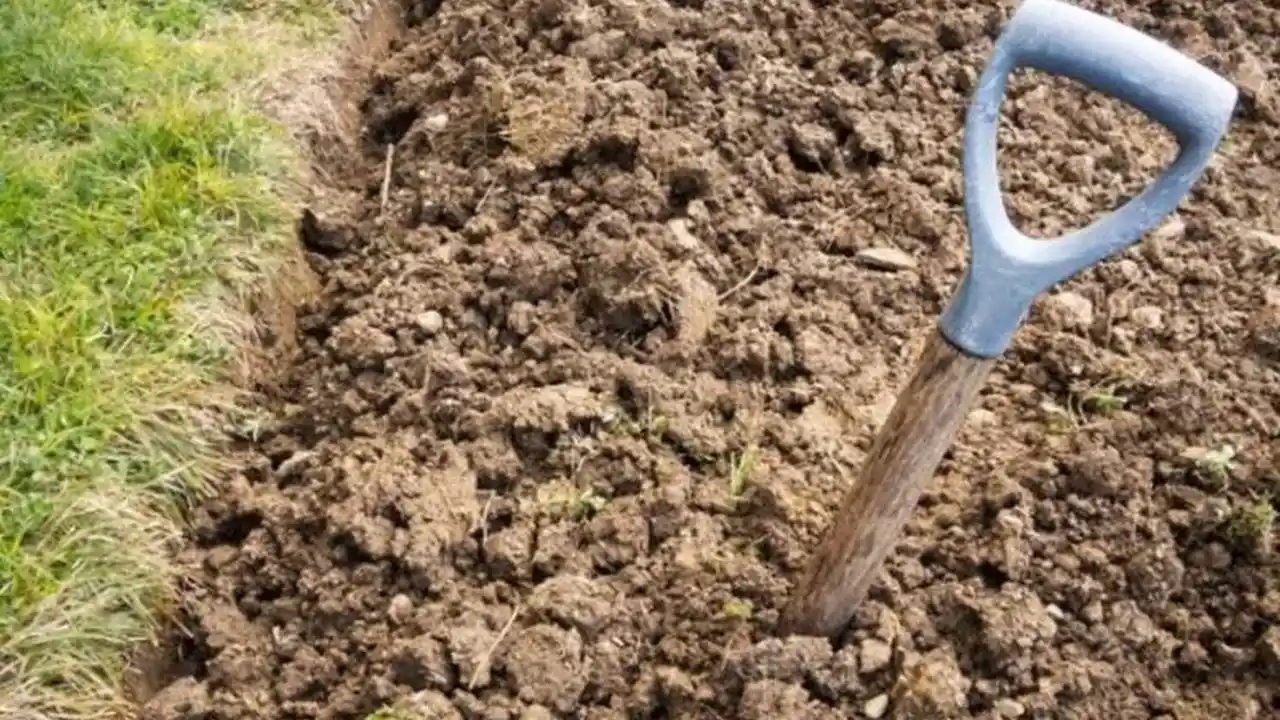
- Double Digging or Tilling (with caution): For severely compacted areas, double digging (loosening the soil to two spade depths) can be beneficial. However, excessive tilling can disrupt soil structure and harm beneficial organisms, so use it sparingly and only when necessary.
Mulching Protecting and Nourishing Your Soil
Mulching is often overlooked but is a powerhouse for soil improvement. A layer of organic mulch (like wood chips, straw, or shredded leaves) on top of your soil provides numerous benefits. It suppresses weeds, conserves moisture by reducing evaporation, moderates soil temperature, and as it breaks down, it slowly adds organic matter and nutrients to the soil. It's like a protective blanket that also feeds your garden.
Types of Mulch and Their Benefits for Soil Health
- Wood Chips/Bark Mulch: Excellent for long-term weed suppression and moisture retention. They break down slowly, adding organic matter over time. Best for perennial beds, trees, and shrubs. A large bag (2 cubic feet) can range from $5-$15.
- Straw: Ideal for vegetable gardens. It's lightweight, easy to apply, and breaks down relatively quickly, enriching the soil. It's also great for keeping fruits like strawberries clean.
- Shredded Leaves: Free and fantastic! They break down into rich leaf mold, improving soil structure and fertility. Collect them in the fall and shred them for faster decomposition.
- Compost Mulch: Applying a layer of finished compost as mulch is a double win. It suppresses weeds and continuously feeds your soil with nutrients and beneficial microbes.
- Pine Needles: Great for acid-loving plants like blueberries, azaleas, and rhododendrons, as they slowly acidify the soil as they decompose.
Improving poor soil quality is a journey, not a destination. It takes time and consistent effort, but the rewards are immense. Healthy soil leads to healthy plants, which means more vibrant blooms, more bountiful harvests, and a more resilient garden overall. So, roll up your sleeves, get your hands dirty, and start transforming your soil today. Your plants will thank you for it!
:max_bytes(150000):strip_icc()/277019-baked-pork-chops-with-cream-of-mushroom-soup-DDMFS-beauty-4x3-BG-7505-5762b731cf30447d9cbbbbbf387beafa.jpg)