Pest Control for Beginners 5 Natural Solutions
Discover 5 natural and effective pest control methods for beginner gardeners. Protect your plants without harsh chemicals.
Discover 5 natural and effective pest control methods for beginner gardeners. Protect your plants without harsh chemicals.
Pest Control for Beginners 5 Natural Solutions
So, you've started your gardening journey, and things are looking great! Your plants are growing, flowers are blooming, and vegetables are ripening. But then, you spot them – unwelcome guests munching on your precious leaves, leaving trails, or just generally making a nuisance of themselves. Pests! It's a common challenge for every gardener, especially beginners. The good news is, you don't have to resort to harsh chemicals that can harm your plants, the environment, or even yourself. There are plenty of natural, effective ways to keep those critters at bay. Let's dive into five fantastic natural pest control solutions that every beginner gardener should know.
Understanding Common Garden Pests and Their Impact
Before we jump into solutions, it's helpful to know your enemy, so to speak. Common garden pests include aphids, slugs, snails, spider mites, whiteflies, and various caterpillars. Each has its own way of causing trouble. Aphids, for instance, are tiny sap-suckers that can stunt plant growth and spread diseases. Slugs and snails leave slimy trails and chew holes in leaves. Spider mites create fine webs and cause stippling on leaves. Knowing what you're dealing with helps you choose the most effective natural remedy.
Natural Pest Control Solution 1: Companion Planting for Pest Deterrence
One of the most elegant and proactive ways to deter pests is through companion planting. This involves planting specific types of plants together because they benefit each other. Some plants naturally repel pests, while others attract beneficial insects that prey on pests. It's like building a natural defense system for your garden.
Best Companion Plants for Pest Control
- Marigolds (Tagetes spp.): These vibrant flowers are superstars in pest deterrence. They release compounds from their roots that can deter nematodes (microscopic worms that attack plant roots) and also repel whiteflies, aphids, and other common garden pests. Plant them around your tomatoes, peppers, and roses.
- Nasturtiums (Tropaeolum majus): Nasturtiums are often called 'trap crops.' They are incredibly attractive to aphids, which will flock to them instead of your more valuable plants. Once the nasturtiums are covered in aphids, you can simply remove and dispose of the infested plants.
- Garlic and Onions (Allium spp.): The strong scent of garlic and onions can confuse and repel a wide range of pests, including aphids, slugs, and even deer. Plant them near carrots, roses, and fruit trees.
- Herbs like Basil, Mint, and Rosemary: Many herbs have strong aromas that pests dislike. Basil can repel flies and mosquitoes, making it great near tomatoes. Mint can deter ants and aphids (but be careful, mint spreads aggressively, so consider planting it in a container). Rosemary is excellent for repelling cabbage moths, carrot rust flies, and slugs.
How to Implement Companion Planting Effectively
When planning your garden, think about which plants you want to protect and research their ideal companions. Don't just scatter them randomly; integrate them strategically. For example, create borders of marigolds around your vegetable beds, or intersperse garlic cloves among your rose bushes. This method is not only effective but also adds beauty and diversity to your garden.
Natural Pest Control Solution 2: Hand-Picking and Physical Barriers for Pest Management
Sometimes, the simplest solutions are the best. For larger pests or smaller infestations, good old-fashioned hand-picking can be incredibly effective. Physical barriers also provide a straightforward way to keep pests off your plants.
Hand-Picking Techniques for Garden Pests
This method is exactly what it sounds like: manually removing pests from your plants. It works best for larger pests like slugs, snails, caterpillars, and squash bugs. The best time to do this is in the early morning or evening when many pests are most active.
- Slugs and Snails: Look under leaves, rocks, and mulch. Wear gloves and drop them into a bucket of soapy water.
- Caterpillars and Grubs: Inspect leaves for chew marks and turn them over to find the culprits.
- Squash Bugs: Check the undersides of squash and pumpkin leaves for adult bugs and their bronze-colored eggs. Scrape off the eggs and drop the adults into soapy water.
Using Physical Barriers to Protect Plants
Physical barriers create a protective shield around your plants, preventing pests from reaching them.
- Row Covers: These are lightweight fabrics that you drape over your plants, supported by hoops. They allow sunlight and water to pass through but keep out insects like cabbage moths, squash bugs, and flea beetles. Look for brands like Agribon AG-19 Floating Row Cover (around $20-30 for a 10x20 ft roll) or Garden Safe Fabric Row Cover (similar price range). These are great for protecting young seedlings and leafy greens.
- Copper Tape: Slugs and snails hate copper. Placing copper tape around raised beds or pots creates a barrier they won't cross. Corry's Slug & Snail Copper Tape (around $10-15 for a 15 ft roll) is a popular choice. It works by creating a small electrical charge when the slug's slime reacts with the copper.
- Collars for Seedlings: For cutworms that chew through young plant stems at the soil line, create collars from cardboard, plastic bottles, or even toilet paper rolls. Bury them an inch or two into the soil around the base of your seedlings.
- Netting: For fruit trees or berry bushes, fine mesh netting can protect against birds and larger insects. Brands like Bird-X Netting (various sizes, prices vary from $20 to $100+) offer durable options.
Natural Pest Control Solution 3: Homemade Sprays and Organic Solutions for Pest Management
When hand-picking isn't enough, or for widespread infestations of smaller pests, homemade sprays using common household ingredients can be very effective. These are generally safe for plants and don't leave harmful residues.
DIY Insecticidal Soap Spray
This is a classic for a reason. Insecticidal soap works by dissolving the waxy outer layer of soft-bodied insects like aphids, spider mites, whiteflies, and mealybugs, causing them to dehydrate. It's crucial to use pure soap, not detergent, as detergents can harm plants.
- Recipe: Mix 1-2 tablespoons of mild liquid dish soap (like Dr. Bronner's Pure-Castile Soap or Dawn dish soap, but ensure it's plain, not antibacterial or degreasing) with 1 gallon of water.
- Application: Spray directly onto the pests, ensuring you cover the undersides of leaves where many pests hide. Apply in the early morning or late evening to avoid scorching leaves in direct sunlight. Reapply every 5-7 days as needed.
Neem Oil Spray for Broad-Spectrum Pest Control
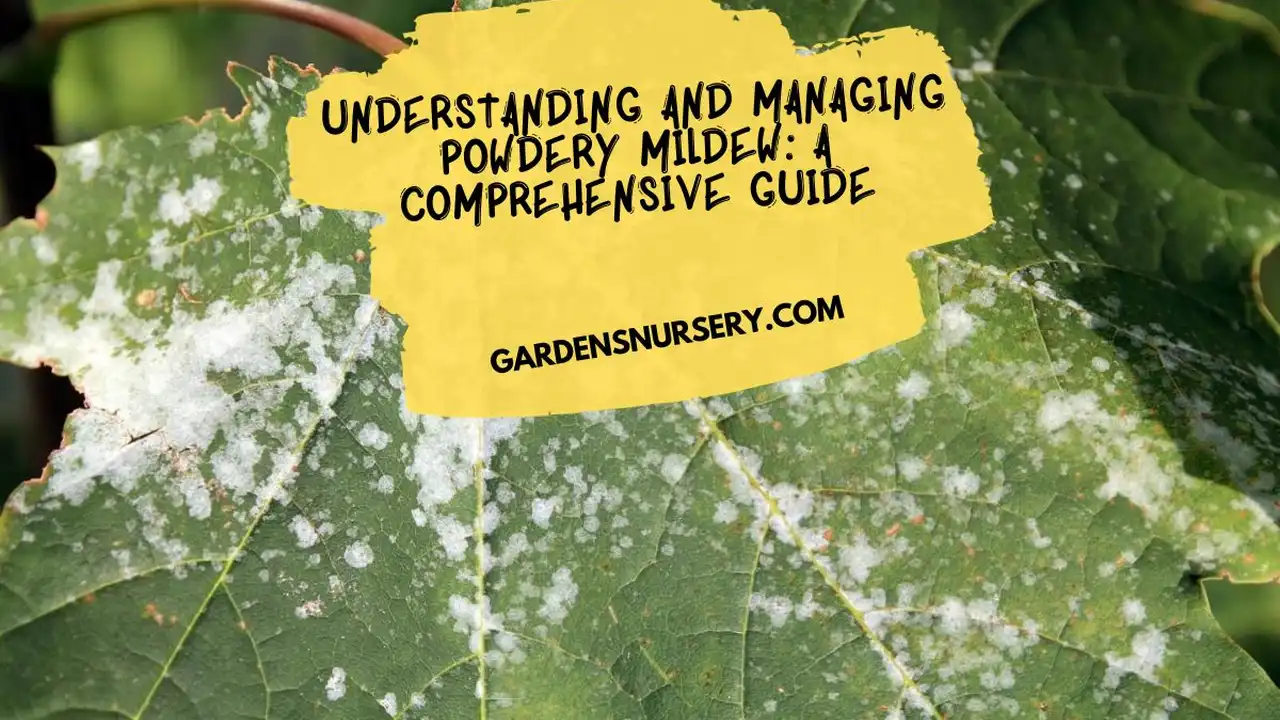
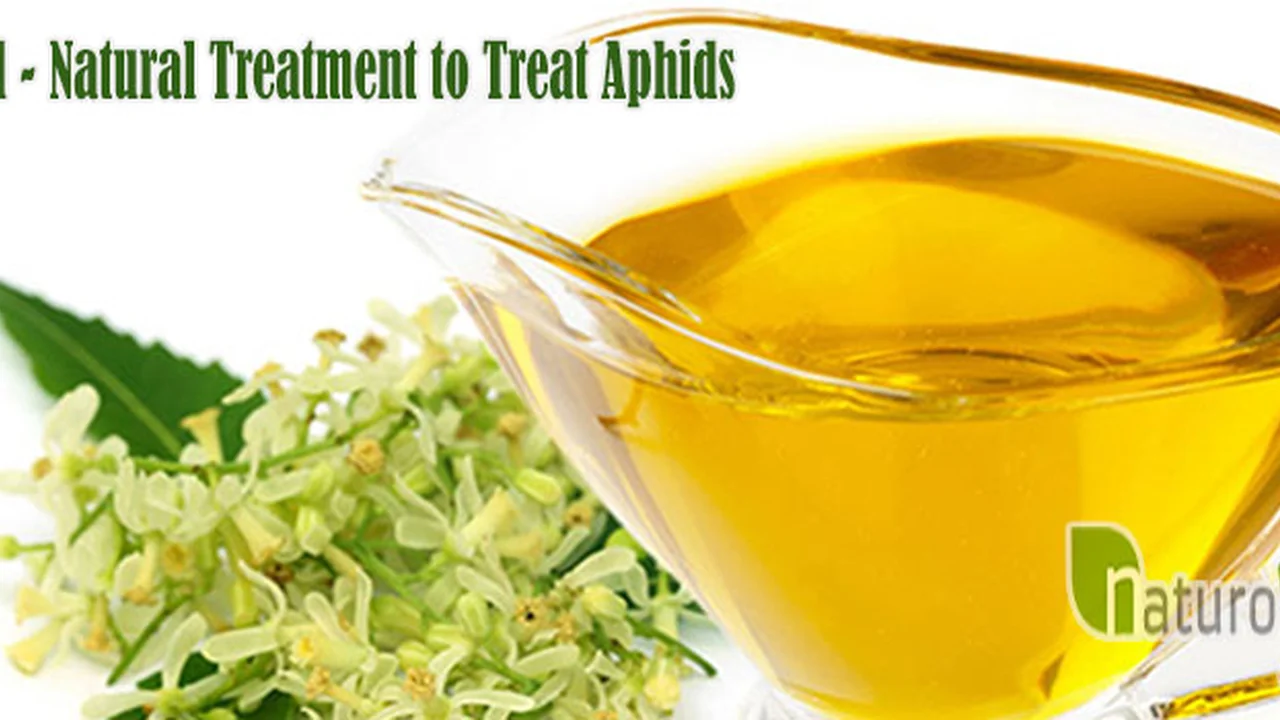
Neem oil is derived from the neem tree and is a powerful organic pesticide. It acts as an antifeedant, growth disruptor, and repellent for a wide range of pests, including aphids, spider mites, whiteflies, thrips, and even some fungal diseases like powdery mildew.
- Product Recommendation: Bonide Neem Oil (around $15-25 for a concentrate) or Garden Safe Brand Neem Oil Extract Concentrate (similar price). Always follow the product's mixing instructions, as concentrations vary.
- Application: Mix with water and a small amount of mild soap (as an emulsifier). Spray thoroughly on all plant surfaces, including the undersides of leaves. Apply every 7-14 days as a preventative or every 5-7 days for active infestations. Apply in the evening to avoid harming beneficial insects that are active during the day.
Garlic and Chili Pepper Spray for Repelling Pests
The strong odors and irritating compounds in garlic and chili peppers can deter many pests.
- Recipe: Blend several cloves of garlic and a few hot chili peppers (like habaneros or jalapeños) with a cup of water. Let it sit overnight, then strain the mixture. Dilute the liquid with a gallon of water and add a teaspoon of mild liquid soap.
- Application: Spray on affected plants. Be cautious when handling and applying, as it can irritate skin and eyes. This spray is more of a repellent than a killer.
Natural Pest Control Solution 4: Attracting Beneficial Insects for Biological Control
This is where your garden truly becomes an ecosystem. Many insects are actually your allies, preying on the pests that harm your plants. By creating a welcoming environment for these beneficial insects, you can establish a natural pest control army.
Key Beneficial Insects and Their Prey
- Ladybugs (Lady Beetles): These iconic insects are voracious eaters of aphids, but they also munch on scale insects, mealybugs, and spider mites. Both adult ladybugs and their larvae are excellent predators.
- Lacewings: The larvae of green lacewings are often called 'aphid lions' because of their incredible appetite for aphids. They also feed on spider mites, whiteflies, and small caterpillars.
- Hoverflies (Syrphid Flies): While the adults resemble bees and feed on nectar, their larvae are effective predators of aphids and other soft-bodied insects.
- Parasitic Wasps: These tiny wasps lay their eggs inside or on pests like aphids, caterpillars, and whiteflies. The wasp larvae then consume the pest from the inside out. Don't worry, they don't sting humans!
- Praying Mantises: While they eat a wide variety of insects (including some beneficial ones), they are impressive predators that can help control larger pest populations.
How to Attract Beneficial Insects to Your Garden
To invite these helpful insects, you need to provide them with food (nectar and pollen) and shelter. Think of your garden as a buffet and a hotel for them.
- Plant Nectar and Pollen-Rich Flowers: Many beneficial insects feed on nectar and pollen in their adult stage. Plant a diverse range of flowers, especially those with small, open flowers that are easy for tiny insects to access. Good choices include dill, fennel, cilantro, cosmos, sunflowers, marigolds, and yarrow.
- Provide Water Sources: A shallow dish of water with some pebbles for landing spots can be a lifesaver for beneficial insects, especially during dry periods.
- Avoid Broad-Spectrum Pesticides: Even organic pesticides can harm beneficial insects. Use targeted treatments only when necessary, and apply them in the evening when beneficials are less active.
- Create Habitat: Leave some undisturbed areas in your garden, like a patch of native plants or a small log pile, to provide shelter and overwintering sites for beneficial insects.
Purchasing Beneficial Insects
You can also purchase beneficial insects online or from garden centers to release into your garden. This can be a good option for quickly boosting their numbers, especially if you have a significant pest problem.
- Product Recommendation: Companies like Arbico Organics or Nature's Good Guys sell live ladybugs (around $10-20 for 1,500), lacewing larvae (around $20-30 for 1,000), and praying mantis egg cases (around $10-15 per case).
- Usage Scenario: Release ladybugs in the evening when temperatures are mild, after lightly misting your plants with water. This encourages them to stay in your garden. Lacewing larvae are often shipped in a carrier and can be sprinkled directly onto infested plants.
- Comparison: Purchasing beneficial insects provides an immediate boost to your pest control efforts, but it's crucial to also create a welcoming environment so they stay and reproduce naturally. Relying solely on purchased insects without habitat can be a short-term solution.
Natural Pest Control Solution 5: Maintaining Garden Health and Hygiene for Pest Prevention
Prevention is always better than cure. A healthy, well-maintained garden is naturally more resistant to pest infestations. Think of it like keeping your own immune system strong.
Key Practices for a Healthy, Pest-Resistant Garden
- Proper Watering: Overwatering can lead to root rot and attract fungus gnats, while underwatering stresses plants, making them more susceptible to pests. Water deeply and consistently, checking soil moisture before watering again.
- Adequate Fertilization: Provide your plants with the right nutrients. Over-fertilizing, especially with nitrogen, can lead to lush, tender growth that is particularly attractive to aphids. Use balanced organic fertilizers as needed.
- Good Air Circulation: Crowded plants can create humid conditions that favor fungal diseases and pests like spider mites. Space your plants appropriately and prune for good airflow.
- Weed Control: Weeds compete with your plants for nutrients and can also harbor pests. Keep your garden beds free of weeds.
- Crop Rotation: If you're growing vegetables, rotate your crops each season. Planting the same crop in the same spot year after year can lead to a buildup of specific pests and diseases in the soil.
- Sanitation and Cleanup: Remove diseased or heavily infested plant parts immediately. Clean up fallen leaves and debris, especially at the end of the season, as these can provide overwintering sites for pests and diseases.
- Inspect Plants Regularly: Make it a habit to inspect your plants frequently, especially the undersides of leaves. Catching a pest problem early makes it much easier to manage.
Integrating Natural Pest Control Methods for a Thriving Garden
The most effective natural pest control strategy often involves a combination of these methods. Start with prevention through good garden hygiene and companion planting. If pests appear, try hand-picking or physical barriers. For more widespread issues, use homemade sprays or introduce beneficial insects. The goal is to create a balanced ecosystem where pests are kept in check naturally, allowing your plants to thrive without the need for harsh chemicals. Happy gardening!
:max_bytes(150000):strip_icc()/277019-baked-pork-chops-with-cream-of-mushroom-soup-DDMFS-beauty-4x3-BG-7505-5762b731cf30447d9cbbbbbf387beafa.jpg)