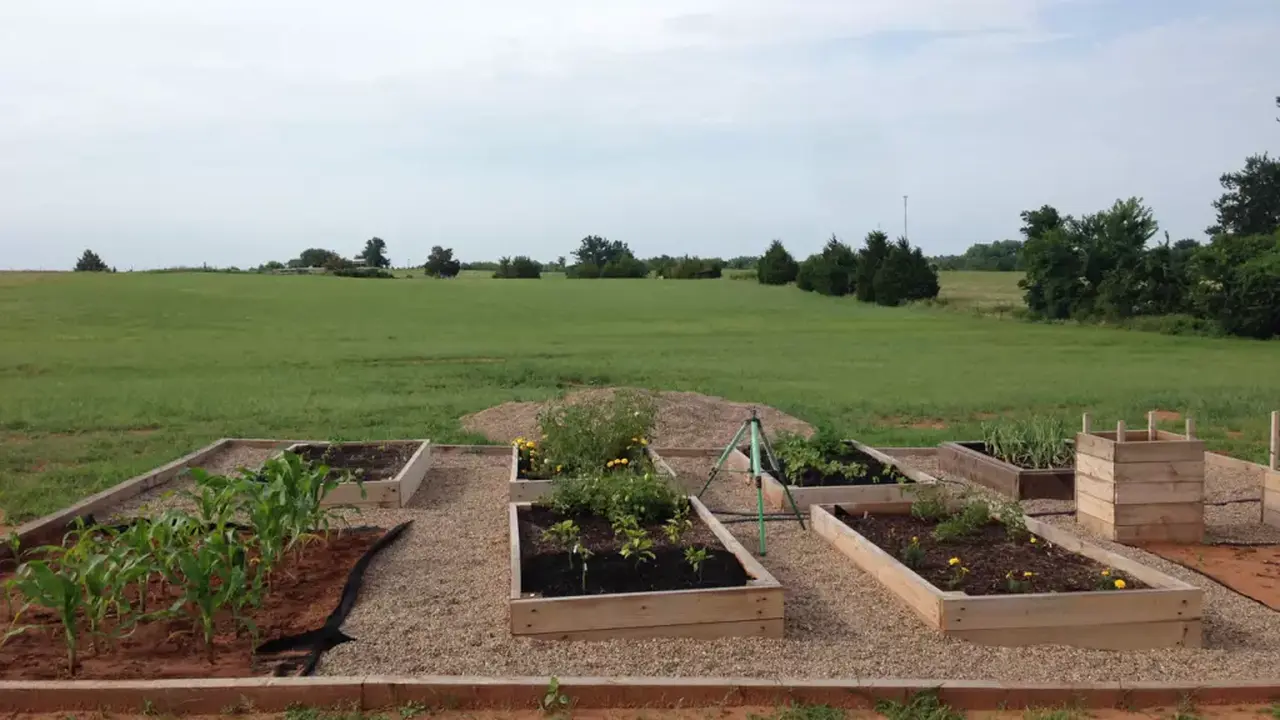
Natural Pest Control Solutions Top 6 Methods
Discover 6 effective and natural pest control solutions for your garden. Keep pests away without harmful chemicals.
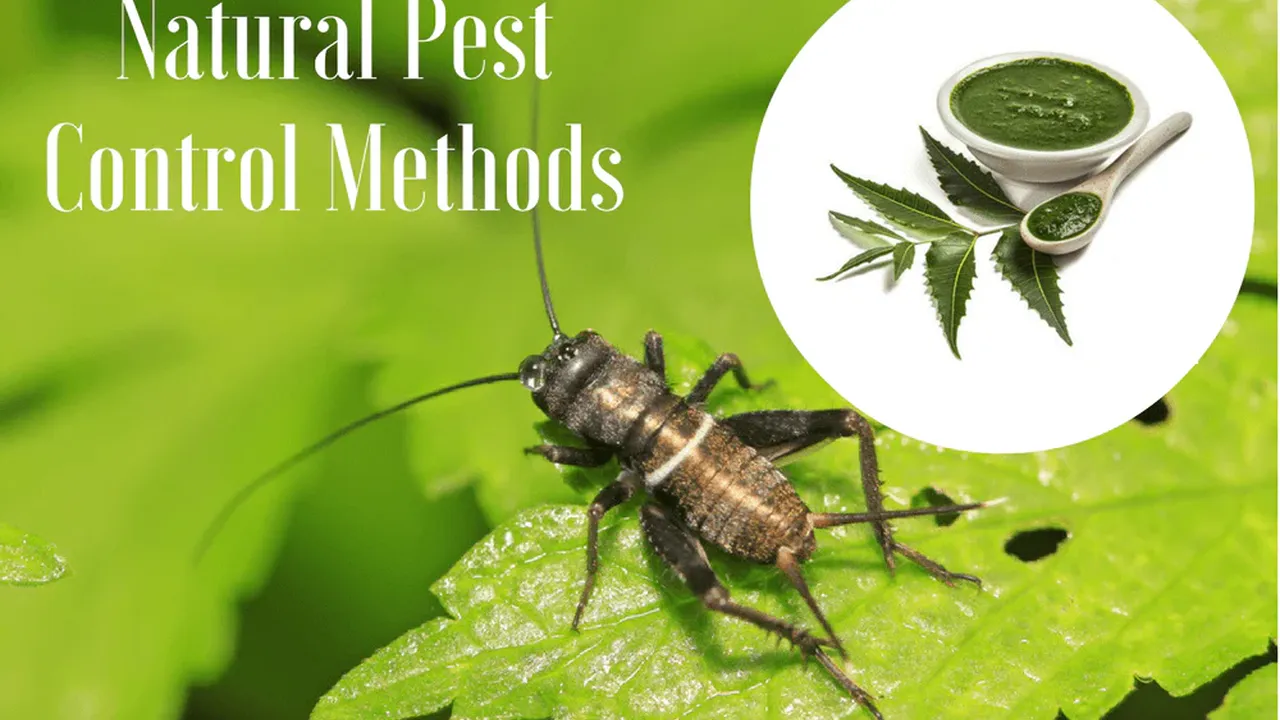
Discover 6 effective and natural pest control solutions for your garden. Keep pests away without harmful chemicals.
Natural Pest Control Solutions Top 6 Methods
Gardening is a rewarding hobby, but it often comes with an unwelcome challenge: pests. From tiny aphids to hungry slugs, these invaders can quickly decimate your plants and ruin your hard work. While chemical pesticides offer a quick fix, they can harm beneficial insects, pollute the environment, and even pose risks to your family and pets. The good news is that you don't need harsh chemicals to keep your garden thriving. Natural pest control methods are not only effective but also promote a healthier, more balanced ecosystem in your backyard. This comprehensive guide will walk you through the top 6 natural pest control solutions, offering practical advice, product recommendations, and real-world scenarios to help you protect your plants the organic way.
Understanding Your Garden Pests Identifying Common Invaders
Before you can effectively combat pests, you need to know who you're fighting. Different pests require different strategies. Here are some of the most common garden pests you might encounter:
- Aphids: Small, pear-shaped insects that cluster on new growth, sucking plant sap. They come in various colors (green, black, red) and often leave behind a sticky residue called honeydew.
- Slugs and Snails: Mollusks that leave silvery trails and chew irregular holes in leaves, especially tender seedlings. They are most active at night or during damp conditions.
- Spider Mites: Tiny arachnids that create fine webbing on plants and cause stippling (tiny yellow or white dots) on leaves. They thrive in hot, dry conditions.
- Cabbage Worms: Green caterpillars that chew large holes in the leaves of brassicas (cabbage, broccoli, kale).
- Whiteflies: Small, white, winged insects that fly up in a cloud when disturbed. They feed on the undersides of leaves, causing yellowing and stunted growth.
- Squash Bugs: Brownish-gray insects that feed on squash, pumpkins, and cucumbers, causing leaves to yellow, wilt, and eventually die.
- Tomato Hornworms: Large, green caterpillars with a horn-like projection on their rear. They can rapidly defoliate tomato and other nightshade plants.
Regularly inspecting your plants is crucial for early detection. Look under leaves, along stems, and at new growth. The sooner you spot a problem, the easier it is to manage naturally.
Method 1: Encouraging Beneficial Insects Your Garden's Natural Allies
One of the most powerful natural pest control strategies is to invite beneficial insects into your garden. These are the good guys who prey on or parasitize pest insects, keeping their populations in check. Think of them as your garden's personal security force.
Attracting Beneficial Insects Best Practices and Plants
To attract beneficial insects, you need to provide them with food (nectar and pollen) and shelter. Avoid using broad-spectrum pesticides, as these will kill beneficial insects along with the pests. Here are some excellent plants to incorporate into your garden:
- Dill, Fennel, Cilantro, Parsley: These herbs, especially when allowed to flower, attract lacewings, ladybugs, and parasitic wasps.
- Marigolds: Known for deterring nematodes and other pests, they also attract hoverflies.
- Cosmos, Zinnias, Sunflowers: Their open, daisy-like flowers provide easy access to nectar and pollen for a wide range of beneficials.
- Yarrow, Queen Anne's Lace: Flat-topped flower clusters are perfect landing pads for tiny parasitic wasps and predatory flies.
- Sweet Alyssum: A low-growing annual that provides continuous blooms and attracts hoverflies and parasitic wasps.
Introducing Beneficial Insects Product Recommendations
If you have a severe pest problem or want to jumpstart your beneficial insect population, you can purchase and release them. This is often done for specific pest outbreaks. Here are some popular options and where to find them:
Ladybugs (Lady Beetles)
Target Pests: Aphids, scale insects, mealybugs, spider mites, whiteflies.
Usage Scenario: Ideal for general aphid control in vegetable gardens, flower beds, and even greenhouses. Release them in the evening when temperatures are cooler, after lightly misting your plants with water. They will drink the water and be less likely to fly away immediately.
Product Comparison:
- Live Ladybugs (e.g., from Arbico Organics, Nature's Good Guys): Typically sold in quantities of 1,500 to 4,500.
- Price Range: $10 - $30 for a pack of 1,500-4,500.
- Pros: Highly effective aphid predators, easy to release, safe for all plants and pets.
- Cons: Some may fly away if not released properly or if there isn't enough food for them. Best for immediate pest control rather than long-term establishment.
Praying Mantises
Target Pests: A wide range of insects, including grasshoppers, crickets, flies, and caterpillars.
Usage Scenario: Mantises are generalist predators. They are fascinating to watch but less effective for specific pest outbreaks as they eat anything they can catch, including other beneficials. Best for general garden biodiversity and long-term pest management.
Product Comparison:
- Praying Mantis Egg Cases (e.g., from Gardens Alive!, Planet Natural): Each case can contain 50-200 nymphs.
- Price Range: $8 - $20 per egg case.
- Pros: Broad-spectrum predators, interesting to observe, can help control larger pests.
- Cons: Not specific to certain pests, may eat beneficial insects, takes time for eggs to hatch and nymphs to grow.
Green Lacewings
Target Pests: Aphids, spider mites, whiteflies, thrips, mealybugs, small caterpillars.
Usage Scenario: Lacewing larvae are voracious predators, often called 'aphid lions.' They are excellent for controlling a variety of soft-bodied pests. Release eggs or larvae directly onto infested plants.
Product Comparison:
- Green Lacewing Eggs or Larvae (e.g., from Arbico Organics, Koppert Biological Systems): Sold in quantities of 1,000 to 5,000 eggs or 100-500 larvae.
- Price Range: $15 - $50 depending on quantity and life stage.
- Pros: Highly effective against many common pests, larvae are very active predators.
- Cons: Adults are less predatory, larvae can be cannibalistic if food is scarce, require specific release conditions.
Method 2: Hand-Picking and Physical Barriers Direct Pest Control
Sometimes, the simplest methods are the most effective. Hand-picking pests and creating physical barriers can prevent infestations from taking hold or spreading.
Hand-Picking Pests When and How to Do It
This method is best for larger pests or when infestations are small. It's labor-intensive but highly effective for immediate removal.
- Target Pests: Tomato hornworms, squash bugs, slugs, snails, larger caterpillars, Colorado potato beetles.
- Technique: Simply pick the pests off your plants and drop them into a bucket of soapy water. For slugs and snails, go out at night with a flashlight.
- Frequency: Daily or every other day, especially during peak pest season.
Physical Barriers Protecting Your Plants
Physical barriers prevent pests from reaching your plants in the first place.
Row Covers
Target Pests: Cabbage moths, squash bugs, flea beetles, onion maggots, whiteflies, aphids.
Usage Scenario: Ideal for protecting young seedlings or entire rows of susceptible crops. Use lightweight, breathable fabric that allows light and water through but keeps pests out. Secure the edges with soil or rocks to prevent pests from crawling underneath.
Product Comparison:
- Agribon AG-19 Floating Row Cover (e.g., from Johnny's Selected Seeds, Gardener's Supply Company): Lightweight, 0.55 oz/sq yd.
- Price Range: $20 - $50 for a roll (e.g., 10 ft x 50 ft).
- Pros: Excellent protection against flying insects, allows light and water, extends growing season.
- Cons: Can trap heat in hot climates, needs to be removed for pollination of fruiting plants, can be cumbersome to manage.
Copper Tape for Slugs and Snails
Target Pests: Slugs and snails.
Usage Scenario: Wrap copper tape around the rims of raised beds, pots, or even individual plant stems. When slugs and snails crawl over it, they experience a mild electric shock, deterring them.
Product Comparison:
- Slug and Snail Copper Barrier Tape (e.g., from Bonide, Corry's): Adhesive-backed copper tape.
- Price Range: $8 - $15 for a 15-foot roll.
- Pros: Non-toxic, long-lasting, effective barrier.
- Cons: Can be expensive for large areas, effectiveness can diminish over time if tape gets dirty.
Method 3: Homemade and Organic Sprays Safe and Effective Solutions
For more widespread infestations, organic sprays can be a great solution. These are generally less harmful than synthetic pesticides and break down quickly in the environment.
Neem Oil Spray A Multi-Purpose Organic Pesticide
Target Pests: Aphids, spider mites, whiteflies, thrips, mealybugs, leafminers, caterpillars, and even some fungal diseases like powdery mildew.
Usage Scenario: Neem oil works as an antifeedant, growth disruptor, and repellent. It's systemic, meaning plants can absorb it, making them unpalatable to pests. Mix with water and a small amount of mild soap (as an emulsifier) and spray thoroughly, covering all leaf surfaces, especially the undersides. Apply every 7-14 days as needed.
Product Comparison:
- Bonide Neem Oil (Concentrate): 70% cold-pressed neem oil.
- Price Range: $15 - $25 for an 8-16 oz concentrate bottle.
- Pros: Broad-spectrum, organic, safe for beneficials once dry, also has fungicidal properties.
- Cons: Can be phytotoxic (harmful to plants) if applied in direct sunlight or high temperatures, requires consistent application.
Insecticidal Soap Gentle Yet Powerful
Target Pests: Aphids, spider mites, whiteflies, mealybugs, thrips, scale crawlers.
Usage Scenario: Insecticidal soap works by dissolving the waxy outer layer of soft-bodied insects, causing dehydration. It must come into direct contact with the pest to be effective. Spray thoroughly, ensuring complete coverage. Reapply every 5-7 days until the infestation is under control.
Product Comparison:
- Safer Brand Insect Killing Soap (Concentrate or Ready-to-Use): Potassium salts of fatty acids.
- Price Range: $10 - $20 for a 16-32 oz concentrate bottle.
- Pros: Fast-acting, low toxicity, safe for most plants, breaks down quickly.
- Cons: Only effective on contact, requires repeated applications, can harm some beneficial insects if sprayed directly.
Garlic and Chili Pepper Spray A Natural Repellent
Target Pests: Aphids, caterpillars, slugs, and other chewing insects.
Usage Scenario: This homemade spray acts as a repellent due to its strong odor and irritating properties. Blend several cloves of garlic and a few hot peppers with water, let it steep, strain, and then dilute before spraying. Use as a preventative or at the first sign of pests.
Pros: Inexpensive, uses common household ingredients, non-toxic.
Cons: Needs frequent reapplication, can clog sprayers, effectiveness varies.
Method 4: Crop Rotation and Companion Planting Smart Garden Design
These methods focus on preventing pest problems through intelligent garden planning and plant relationships.
Crop Rotation Breaking the Pest Cycle
Target Pests: Soil-borne pests (e.g., nematodes, wireworms) and diseases that overwinter in the soil (e.g., early blight, fusarium wilt).
Usage Scenario: Don't plant the same crop or family of crops in the same spot year after year. Rotate your crops to different areas of the garden. For example, if you grew tomatoes (nightshade family) in one bed this year, plant beans (legume family) there next year. This disrupts the life cycle of pests and diseases that are specific to certain plant families.
Pros: Long-term pest and disease prevention, improves soil health, reduces reliance on other control methods.
Cons: Requires planning and record-keeping, may be challenging in small gardens.
Companion Planting Beneficial Plant Pairings
Target Pests: A wide range of pests, depending on the plant pairing.
Usage Scenario: Plant specific crops together that benefit each other. This can involve deterring pests, attracting beneficial insects, or improving growth. Some classic examples:
- Marigolds and Tomatoes: Marigolds are said to deter nematodes and other pests.
- Nasturtiums and Cabbage: Nasturtiums can act as a trap crop for aphids, drawing them away from your brassicas.
- Garlic/Onions and Roses: The strong scent of alliums can deter aphids from roses.
- Carrots and Rosemary: Rosemary can deter carrot rust flies.
- Corn, Beans, and Squash (The Three Sisters): A traditional Native American planting method where corn provides a stalk for beans to climb, beans fix nitrogen in the soil, and squash provides ground cover, suppressing weeds and deterring pests.
Pros: Enhances biodiversity, reduces pest pressure naturally, can improve plant health and yield.
Cons: Requires knowledge of plant interactions, some pairings are more effective than others.
Method 5: Traps and Baits Targeted Pest Removal
Traps and baits can be highly effective for specific pests, especially when used in conjunction with other methods.
Slug and Snail Traps Beer Traps and Baits
Target Pests: Slugs and snails.
Usage Scenario: Dig a small hole and bury a shallow dish (like a tuna can) so its rim is level with the soil. Fill it with beer. Slugs and snails are attracted to the yeast, crawl in, and drown. Alternatively, use iron phosphate baits, which are safe for pets and wildlife.
Product Comparison:
- Sluggo Plus (Bait): Contains iron phosphate and spinosad.
- Price Range: $10 - $20 for a 1 lb box.
- Pros: Highly effective, safe for pets and wildlife, breaks down into iron and phosphate (plant nutrients).
- Cons: Needs reapplication after rain, can be attractive to some beneficial insects if not used carefully.
Sticky Traps Monitoring and Control
Target Pests: Whiteflies, aphids, fungus gnats, thrips, leafminers.
Usage Scenario: Yellow sticky traps attract flying insects, which then get stuck to the adhesive surface. They are excellent for monitoring pest populations and can help reduce numbers in greenhouses or indoor growing areas. Place them near susceptible plants.
Product Comparison:
- Garsum Yellow Sticky Traps (e.g., from Amazon, garden centers): Various sizes and shapes.
- Price Range: $10 - $20 for a pack of 20-50 traps.
- Pros: Non-toxic, effective for monitoring and reducing flying pest populations, easy to use.
- Cons: Can catch beneficial insects, not effective for crawling pests, need to be replaced when full.
Method 6: Maintaining Garden Health Prevention is Key
A healthy, vigorous plant is much more resilient to pest attacks. Good cultural practices are the foundation of natural pest control.
Proper Watering and Fertilization Building Strong Plants
Usage Scenario: Over-watering can lead to root rot and attract fungus gnats. Under-watering stresses plants, making them more susceptible to spider mites. Fertilize appropriately; too much nitrogen can lead to lush, tender growth that is particularly attractive to aphids. Use balanced organic fertilizers and consider soil testing to understand your soil's needs.
Pros: Promotes overall plant health, reduces stress, makes plants less appealing to pests.
Cons: Requires understanding of individual plant needs, can be a learning curve for beginners.
Sanitation and Weeding Removing Pest Habitats
Usage Scenario: Remove diseased or heavily infested plant parts immediately. Clear away plant debris, fallen leaves, and weeds, as these can harbor pests and their eggs. Weeds compete with your plants for nutrients and can also serve as alternative hosts for pests.
Pros: Eliminates breeding grounds, reduces pest populations, improves garden aesthetics.
Cons: Requires consistent effort, can be time-consuming in large gardens.
Pruning and Air Circulation Reducing Vulnerability
Usage Scenario: Prune overcrowded plants to improve air circulation. Good airflow reduces humidity, which can deter fungal diseases and pests like spider mites. Remove suckers and lower leaves that touch the ground, as these can be entry points for pests and diseases.
Pros: Improves plant health, reduces disease pressure, makes plants less attractive to certain pests.
Cons: Requires knowledge of proper pruning techniques, can be time-consuming.
Integrating Natural Pest Control Strategies A Holistic Approach
The most effective natural pest control strategy is not to rely on a single method but to integrate several. This is often called Integrated Pest Management (IPM). Start with prevention (healthy plants, good sanitation, companion planting). Monitor your garden regularly. If you spot pests, begin with the least invasive methods (hand-picking, water sprays). If the problem persists, move to organic sprays or introducing beneficial insects. The goal is to create a resilient garden ecosystem where pests are kept in check naturally, allowing your plants to thrive without the need for harsh chemicals.
Remember, a few pests are normal and even healthy for a balanced ecosystem. The aim is not to eradicate every single insect but to manage pest populations to a level where they don't cause significant damage to your plants. Embrace the journey of learning about your garden's inhabitants, and you'll find that natural pest control is not just about fighting pests, but about fostering a vibrant, living space.
:max_bytes(150000):strip_icc()/277019-baked-pork-chops-with-cream-of-mushroom-soup-DDMFS-beauty-4x3-BG-7505-5762b731cf30447d9cbbbbbf387beafa.jpg)