Square Foot Gardening Maximizing Your Yield
Learn the principles of square foot gardening to maximize your harvest in small spaces. An efficient method for beginners.
Learn the principles of square foot gardening to maximize your harvest in small spaces. An efficient method for beginners.
Square Foot Gardening Maximizing Your Yield
Hey there, fellow gardening enthusiasts! Ever feel like you're running out of space but still dream of a bountiful harvest? Or maybe you're just starting out and feeling overwhelmed by traditional row gardening? Well, let me introduce you to a game-changer: Square Foot Gardening (SFG). This method, popularized by Mel Bartholomew, is all about making the most of every inch of your garden, yielding more produce in less space, and with less effort. It's perfect for beginners, urban dwellers, or anyone looking to simplify their gardening life.
What is Square Foot Gardening Understanding the Basics
At its core, Square Foot Gardening is about dividing your garden beds into a grid of 1-foot by 1-foot squares. Instead of planting in long rows, you plant a specific number of plants in each square, depending on the plant's size. This method is incredibly efficient because it optimizes space, reduces waste, and makes gardening more manageable. Think of it as a highly organized, intensive planting system.
The beauty of SFG lies in its simplicity and effectiveness. You're not just throwing seeds into the ground; you're strategically placing them to maximize growth and minimize competition. This leads to healthier plants, fewer weeds, and a much higher yield per square foot compared to traditional gardening.
Why Choose Square Foot Gardening Benefits for Beginners and Beyond
So, why should you give SFG a try? There are a ton of reasons, especially if you're new to gardening or have limited space:
- Space Efficiency: This is the big one. You can grow a surprising amount of food in a small area. Perfect for balconies, patios, or small backyards.
- Less Weeding: Because plants are spaced more closely, they shade out weeds, significantly reducing your weeding chores. Plus, the raised beds often used in SFG mean fewer weed seeds blowing in.
- Water Conservation: SFG beds are typically raised, and the specialized soil mix (more on that later) retains moisture better, meaning you water less frequently.
- Soil Control: You create your own ideal soil mix, ensuring your plants get exactly what they need from day one. No more battling compacted or nutrient-poor native soil.
- Easy Planning: The grid system makes planning a breeze. You know exactly how many plants fit in each square, making crop rotation and succession planting simple.
- Reduced Pests: While not foolproof, the diversity of plants in a small area can sometimes confuse pests, and it's easier to spot and deal with any infestations.
- Less Bending and Stooping: Raised beds mean less strain on your back and knees, making gardening more accessible for everyone.
Getting Started with Square Foot Gardening Step-by-Step Setup
Ready to dive in? Here's how to set up your first Square Foot Garden:
Choosing Your Location Sunlight and Accessibility
First things first, pick the right spot. Most vegetables need at least 6-8 hours of direct sunlight per day. Observe your yard throughout the day to find the sunniest spot. Also, consider accessibility – you'll want your garden to be easy to reach for planting, watering, and harvesting.
Building Your Raised Bed Dimensions and Materials
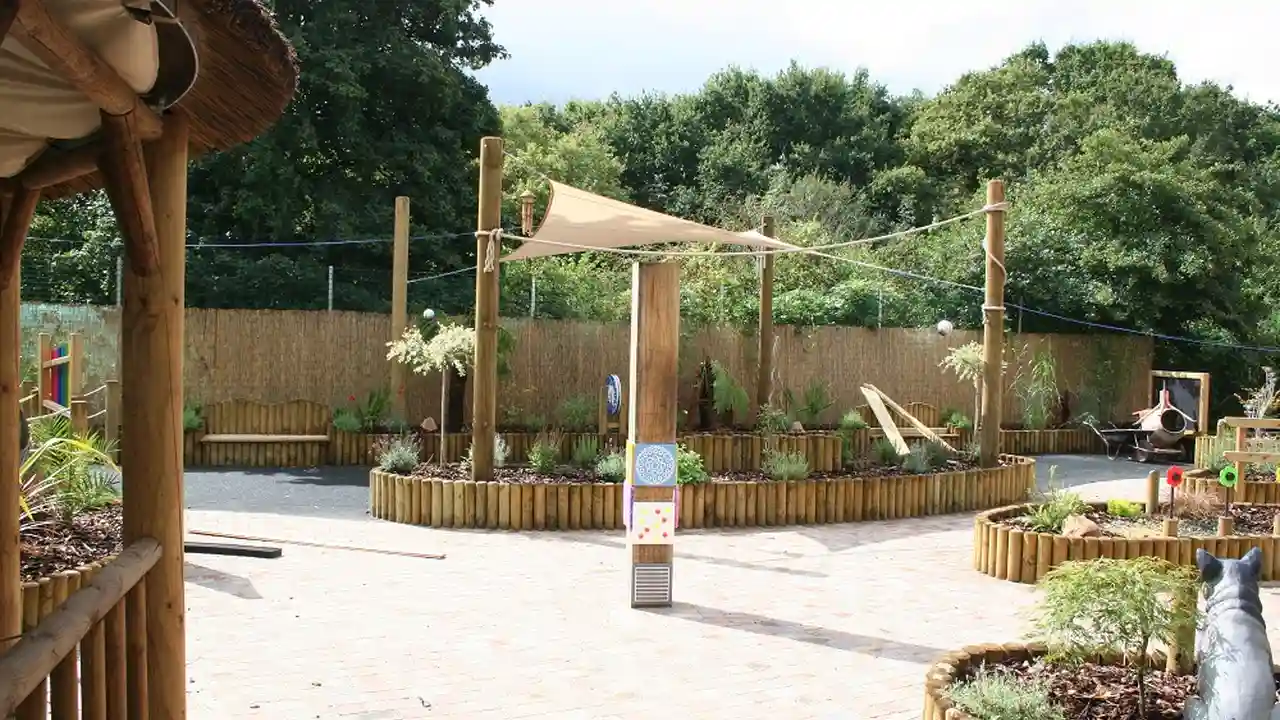
While you can do SFG in-ground, raised beds are highly recommended. A common size is 4x4 feet, as it allows you to reach the center from any side without stepping on the soil. You can go up to 4x8 feet if you have space, but keep the width at 4 feet or less. For materials, untreated wood (cedar, redwood, or pine) is popular. You can also use composite lumber, stone, or even galvanized metal troughs.
Product Recommendations for Raised Beds:
- Greenes Fence Original Cedar Raised Garden Bed (4x4x10.5 inches): A classic, affordable, and easy-to-assemble option. Cedar is naturally rot-resistant. Price: ~$60-$80.
- Vego Garden Metal Raised Garden Bed (4x8x17 inches): Made from Aluzinc steel, these are incredibly durable, rust-resistant, and come in various colors. They're a bit pricier but last for decades. Price: ~$200-$300.
- Gardener's Supply Company Elevated Cedar Planter (2x4x32 inches): If you have very limited space or prefer gardening at waist height, an elevated planter is fantastic. Price: ~$150-$250.
The Mel's Mix Secret Soil Recipe for Success
This is where SFG really shines. Mel's Mix is a specific soil blend designed for optimal plant growth and water retention. It consists of:
- 1/3 Coarse Vermiculite: Improves aeration and water retention.
- 1/3 Peat Moss (or Coco Coir): Provides a light, fluffy texture and holds moisture. Coco coir is a more sustainable alternative to peat moss.
- 1/3 Blended Compost: This is crucial! Use at least 5 different types of compost (e.g., mushroom compost, worm castings, cow manure, chicken manure, leaf mold, municipal compost). This ensures a wide range of nutrients and beneficial microbes.
Mix these ingredients thoroughly. The result is a light, fluffy, nutrient-rich medium that drains well but holds moisture, perfect for plant roots to thrive.
Product Recommendations for Mel's Mix Components:
- Espoma Organic Vermiculite: A reliable brand for coarse vermiculite. Price: ~$15-$25 for an 8-quart bag.
- Premier Horticulture Pro-Mix Peat Moss or Coco Coir Brick: Both are excellent choices. Coco coir expands significantly when hydrated. Price: ~$10-$20 for a large brick of coco coir, ~$20-$30 for a bale of peat moss.
- Local Garden Center Compost: Your best bet for blended compost is often your local nursery or garden center. Look for organic options. Prices vary widely, but expect to pay ~$5-$10 per bag.
Creating Your Grid The 1-Foot Square System
Once your bed is filled with Mel's Mix, it's time to create the grid. You can use thin strips of wood, old Venetian blinds, or even string. Lay them out to divide your bed into 1-foot squares. This visual guide is essential for planting and managing your garden.
Product Recommendations for Grid Materials:
- Garden Grid Watering System: This is a fantastic all-in-one solution. It's a grid made of irrigation tubing, so it waters your squares precisely while also marking them. Price: ~$50-$100 depending on size.
- Thin Wooden Stakes or Dowels: Inexpensive and easy to cut to size. Price: ~$5-$15 for a bundle.
Planting Your Square Foot Garden What Goes Where
Now for the fun part: planting! The number of plants per square depends on the mature size of the plant. Here's a general guide:
- 1 plant per square: Large plants like tomatoes, peppers, broccoli, cabbage, eggplant, corn, squash (bush varieties).
- 4 plants per square: Medium-sized plants like lettuce, spinach, Swiss chard, marigolds, bush beans.
- 9 plants per square: Smaller plants like beets, turnips, onions (from sets), cilantro, parsley.
- 16 plants per square: Tiny plants like carrots, radishes, green onions (from seed).
- Vining plants (cucumbers, pole beans, peas, melons): Plant 1-2 per square and provide vertical support (trellis, cage) to grow them upwards.
Remember to consider plant height when planning. Place taller plants on the north side of your bed so they don't shade out shorter plants.
Essential Tools for Square Foot Gardening Must-Haves
While SFG is low-maintenance, a few good tools will make your life easier:
- Hand Trowel: For digging small holes and transplanting.
- Hand Cultivator/Weeder: For light weeding and aerating the topsoil.
- Watering Can or Hose with Gentle Nozzle: For precise watering.
- Garden Gloves: Protect your hands.
- Pruning Shears: For harvesting and light pruning.
Product Recommendations for Tools:
- Fiskars Ergo Trowel: Comfortable grip and durable. Price: ~$10-$15.
- Hori Hori Garden Knife: A versatile tool for weeding, digging, and cutting. Price: ~$20-$30.
- Dramm ColorStorm Watering Can (2-gallon): High-quality, durable, and provides a gentle shower. Price: ~$30-$40.
- Atlas Nitrile Touch Gloves: Excellent dexterity and protection. Price: ~$5-$10 per pair.
Watering Your Square Foot Garden Hydration Strategies
Because Mel's Mix retains moisture so well, you'll likely water less frequently than with traditional gardens. The key is to water deeply when you do. Stick your finger about an inch or two into the soil; if it feels dry, it's time to water. Avoid overhead watering if possible, as it can encourage fungal diseases. Drip irrigation or soaker hoses are excellent for SFG, delivering water directly to the roots.
Product Recommendations for Watering:
- Rain Bird Drip Irrigation Kit: Easy to set up for raised beds. Price: ~$40-$60.
- Melnor Flat Soaker Hose: Lays flat and delivers water slowly and evenly. Price: ~$15-$25.
Pest and Disease Management Organic Solutions for Your SFG
SFG's dense planting can sometimes deter pests, but they're still a possibility. Regular inspection is your best defense. Look for signs of pests or diseases daily. For common issues, try organic solutions first:
- Hand-picking: For larger pests like tomato hornworms.
- Neem Oil Spray: Effective against aphids, spider mites, and whiteflies.
- Insecticidal Soap: Good for soft-bodied insects.
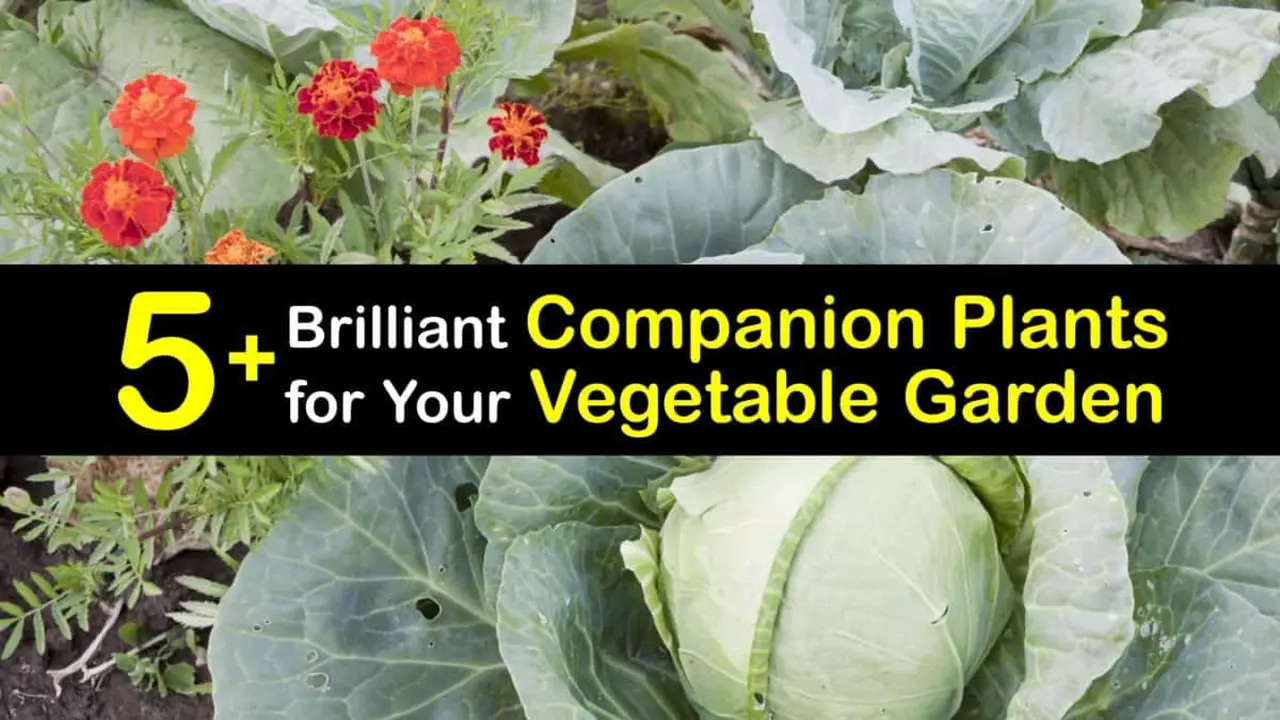
- Companion Planting: Marigolds can deter nematodes, and nasturtiums can act as a trap crop for aphids.
- Good Air Circulation: Proper spacing and pruning can prevent fungal diseases.
Product Recommendations for Organic Pest Control:
- Garden Safe Neem Oil Extract Concentrate: Mix with water and spray. Price: ~$15-$20.
- Safer Brand Insect Killing Soap: Ready-to-use spray. Price: ~$10-$15.
Harvesting Your Bounty When and How to Pick
One of the most rewarding parts of SFG is the continuous harvest. Many plants, like lettuce, spinach, and bush beans, can be harvested multiple times. Pick vegetables when they are at their peak ripeness for the best flavor. Regular harvesting also encourages the plant to produce more.
Succession Planting Maximizing Your Yield All Season
This is a key SFG technique. As soon as one crop finishes producing in a square, replant it with something new. This ensures a continuous harvest throughout the growing season. For example, after harvesting your radishes, you could plant a quick crop of lettuce or cilantro in the same square.
Common Square Foot Gardening Challenges and Solutions Troubleshooting Tips
Even with SFG, you might run into a few bumps. Here are some common issues and how to tackle them:
- Nutrient Depletion: Over time, your Mel's Mix might need a boost. Add a fresh layer of compost (about an inch) to the top of your beds each season.
- Overcrowding: While SFG is about intensive planting, don't go overboard. Stick to the recommended plant spacing per square. Too many plants will compete for resources.
- Pest Pressure: If organic methods aren't enough, consider row covers for vulnerable plants or introduce beneficial insects.
- Watering Issues: If plants are wilting despite watering, check drainage. If they're yellowing, it might be overwatering. Adjust your watering schedule accordingly.
Beyond the Basics Advanced Square Foot Gardening Tips
Once you've got the hang of the basics, you can explore more advanced SFG techniques:
- Vertical Gardening Integration: Maximize space even further by incorporating trellises, cages, and stakes for vining plants like cucumbers, pole beans, and small melons.
- Crop Rotation within Squares: Even in small squares, rotating what you plant each season can help prevent nutrient depletion and pest buildup.
- Companion Planting Strategies: Research which plants benefit each other when planted nearby. For example, marigolds can deter nematodes, and nasturtiums can act as a trap crop for aphids.
- Season Extension: Use cold frames or row covers to extend your growing season into cooler months, getting even more out of your SFG beds.
Square Foot Gardening is a fantastic way to get into gardening, offering a high yield with less work. It's forgiving for beginners and rewarding for experienced gardeners looking for efficiency. So, grab some wood, mix up some Mel's Mix, and get ready to enjoy a bountiful harvest from your very own square foot garden!
:max_bytes(150000):strip_icc()/277019-baked-pork-chops-with-cream-of-mushroom-soup-DDMFS-beauty-4x3-BG-7505-5762b731cf30447d9cbbbbbf387beafa.jpg)