Troubleshooting Yellow Leaves 4 Common Causes
Understand why your plant leaves are turning yellow and how to fix it. Diagnose and treat common plant problems.
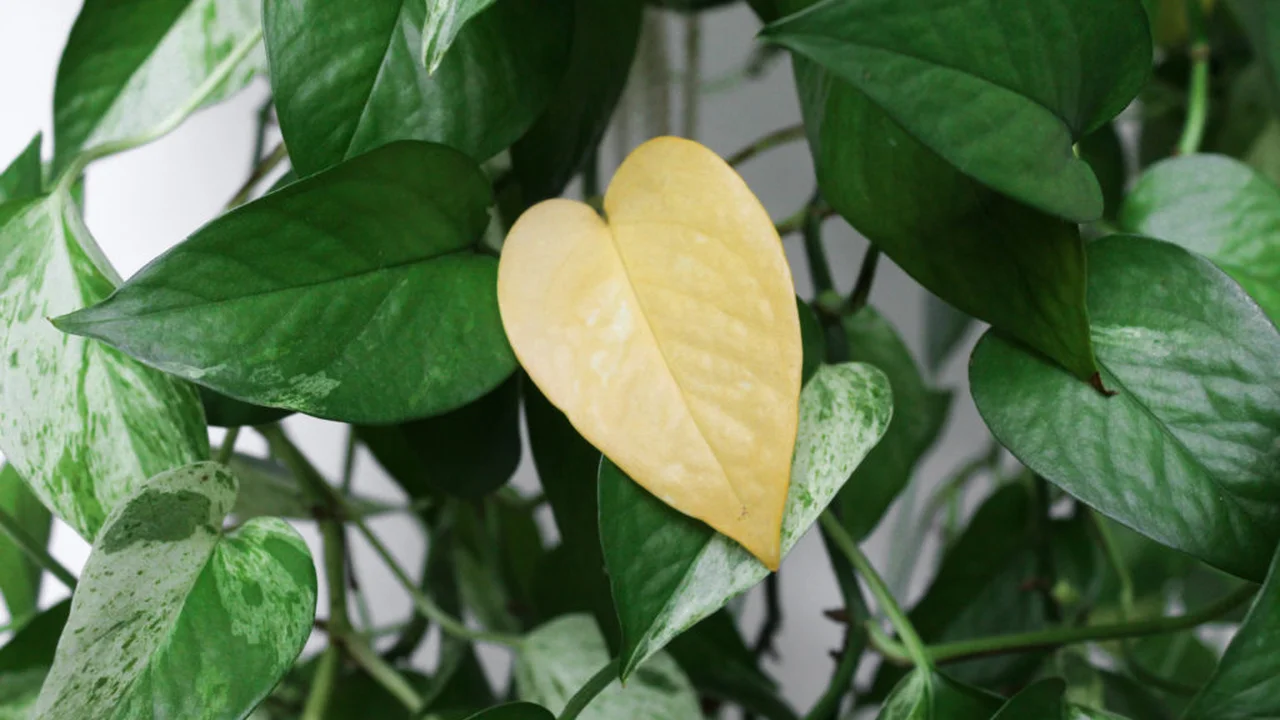
Understand why your plant leaves are turning yellow and how to fix it. Diagnose and treat common plant problems.
Troubleshooting Yellow Leaves 4 Common Causes
Seeing your plant's vibrant green leaves turn yellow can be disheartening, especially for a beginner gardener. It's like your plant is trying to tell you something's wrong, but you're not quite sure what language it's speaking. Don't worry, you're not alone! Yellowing leaves, a condition often referred to as chlorosis, are one of the most common complaints among plant parents. The good news is that once you understand the underlying causes, you can often reverse the damage and bring your leafy friends back to their lush, green glory. Let's dive into the four most common reasons your plant leaves might be turning yellow and how to fix them.
Watering Woes The Root of Many Problems
When it comes to yellow leaves, watering issues are almost always the first suspect. Both overwatering and underwatering can lead to chlorosis, but they manifest in slightly different ways. It's crucial to distinguish between the two to provide the correct remedy.
Overwatering Symptoms and Solutions for Yellow Leaves
Overwatering is arguably the most common cause of yellow leaves, especially for indoor plants. When a plant receives too much water, its roots essentially drown. They can't access oxygen, which is vital for their function, and they begin to rot. This root damage prevents the plant from absorbing nutrients and water efficiently, leading to yellowing leaves.
- Symptoms of Overwatering: Yellow leaves, often starting from the bottom of the plant and moving upwards. The yellowing might be uniform across the entire leaf, or it could appear as splotches. The soil will likely feel constantly wet, and you might notice a musty smell or even mold growth on the soil surface. Leaves might also feel soft or mushy to the touch, and in severe cases, they may drop off.
- Why it Happens: Enthusiastic watering, poor drainage in pots, or heavy, compacted soil that retains too much moisture.
- Solutions for Overwatering:
- Check Drainage: Ensure your pots have drainage holes. If they don't, repot your plant into a container with proper drainage.
- Improve Soil Aeration: If the soil is compacted, gently aerate it with a chopstick or a thin stick to allow air to reach the roots.
- Adjust Watering Schedule: The golden rule of watering is to water thoroughly until water drains from the bottom, then allow the top inch or two of soil to dry out completely before watering again. Stick your finger into the soil to check moisture levels.
- Repot if Necessary: If root rot is severe (roots are black and mushy), you might need to repot the plant. Trim away any rotten roots with clean scissors before repotting into fresh, well-draining soil.
Underwatering Symptoms and Solutions for Thirsty Plants
While less common than overwatering, underwatering can also cause leaves to turn yellow. When a plant doesn't get enough water, it can't transport nutrients effectively, and its cells begin to dehydrate. This leads to a loss of turgor pressure and, eventually, yellowing.
- Symptoms of Underwatering: Yellow leaves, often starting from the edges or tips and progressing inwards. The leaves might also become crispy, dry, and brittle to the touch. They may curl or wilt, and the soil will feel bone dry and pull away from the sides of the pot.
- Why it Happens: Forgetting to water, insufficient watering (only wetting the top layer of soil), or plants in very porous pots (like terracotta) that dry out quickly.
- Solutions for Underwatering:
- Water Thoroughly: Give your plant a good, deep soak until water runs out of the drainage holes.
- Bottom Watering: For very dry plants, try bottom watering. Place the pot in a tray of water for 30 minutes to an hour, allowing the plant to absorb water from the bottom up.
- Establish a Routine: Pay attention to your plant's needs. Some plants need more frequent watering than others. Use a moisture meter or the finger test to guide your watering schedule.
Nutrient Deficiencies The Hidden Hunger of Your Plants
Just like humans, plants need a balanced diet of nutrients to thrive. When they're lacking essential elements, their leaves can turn yellow. The pattern of yellowing often gives clues about which nutrient is missing.
Nitrogen Deficiency Yellowing from the Bottom Up
Nitrogen is a crucial component of chlorophyll, the green pigment responsible for photosynthesis. A lack of nitrogen is one of the most common nutrient deficiencies leading to yellow leaves.
- Symptoms of Nitrogen Deficiency: Older, lower leaves turn uniformly yellow, while newer growth remains green. The yellowing often starts at the tips and moves inwards. The plant may also exhibit stunted growth.
- Why it Happens: Leaching of nitrogen from sandy soils, insufficient fertilization, or heavy rainfall.
- Solutions for Nitrogen Deficiency:
- Apply Nitrogen-Rich Fertilizer: Use a balanced fertilizer with a higher first number (N-P-K ratio, e.g., 10-5-5).
- Organic Amendments: Incorporate organic matter like compost, blood meal, or coffee grounds into the soil.
Iron Deficiency Interveinal Chlorosis
Iron is essential for chlorophyll production and many enzymatic processes within the plant. Iron deficiency is often seen in alkaline soils or when soil pH is too high, making iron unavailable to the plant.
- Symptoms of Iron Deficiency: Newer leaves turn yellow, but the veins remain green. This is known as interveinal chlorosis. In severe cases, the entire leaf may turn yellow or even white.
- Why it Happens: High soil pH, compacted soil, or excessive phosphorus in the soil.
- Solutions for Iron Deficiency:
- Lower Soil pH: Amend the soil with acidic materials like elemental sulfur, peat moss, or pine needles.
- Apply Chelated Iron: Use a chelated iron supplement, which makes iron more readily available to plants, even in alkaline conditions.
- Foliar Spray: For a quick fix, apply an iron supplement as a foliar spray directly to the leaves.
Magnesium Deficiency Yellowing Between Veins on Older Leaves
Magnesium is another vital component of chlorophyll and plays a role in photosynthesis. Deficiency often appears on older leaves first.
- Symptoms of Magnesium Deficiency: Older leaves show yellowing between the veins, while the veins themselves remain green. The yellowing may start at the leaf margins and move inwards.
- Why it Happens: Leaching in sandy soils, high potassium levels (which can inhibit magnesium uptake), or acidic soils.
- Solutions for Magnesium Deficiency:
- Epsom Salts: Dissolve 1 tablespoon of Epsom salts (magnesium sulfate) in a gallon of water and water your plants with it.
- Dolomitic Lime: For long-term correction in acidic soils, incorporate dolomitic lime, which provides both calcium and magnesium.
Other Nutrient Deficiencies and Their Signs
While nitrogen, iron, and magnesium are common culprits, other deficiencies can also cause yellowing. A soil test is the best way to pinpoint specific nutrient imbalances.
- Potassium Deficiency: Yellowing or browning along the leaf margins, often on older leaves.
- Phosphorus Deficiency: Leaves may turn a dark green or purplish color, but yellowing can occur in severe cases, often accompanied by stunted growth.
- Zinc Deficiency: Interveinal chlorosis on new leaves, often with stunted growth and small leaves.
Light Issues Too Much or Too Little Sun
Light is essential for photosynthesis, but too much or too little can stress a plant and lead to yellowing leaves.
Insufficient Light Pale Yellowing and Leggy Growth
Plants that don't receive enough light can't produce enough chlorophyll, leading to pale, yellowing leaves. They also tend to become leggy as they stretch towards a light source.
- Symptoms of Insufficient Light: Leaves turn pale yellow or lime green, often uniformly. New growth is sparse and stretched out (leggy). Lower leaves may drop off.
- Why it Happens: Placing a plant in a spot that's too dark for its needs, or seasonal changes reducing natural light.
- Solutions for Insufficient Light:
- Relocate Your Plant: Move your plant to a brighter location. Research your specific plant's light requirements.
- Consider Grow Lights: If natural light is limited, especially during winter, a grow light can be a game-changer.
Too Much Light Sunburn and Bleaching
Just as too little light is problematic, too much direct, intense sunlight can also cause leaves to yellow, particularly for plants that prefer indirect light.
- Symptoms of Too Much Light: Leaves turn yellow or white, often with crispy brown spots or edges, resembling a sunburn. The yellowing usually appears on the leaves most exposed to direct light.
- Why it Happens: Placing a shade-loving plant in direct sun, or sudden exposure to intense light without acclimatization.
- Solutions for Too Much Light:
- Move to a Shadier Spot: Relocate your plant to an area with less direct sunlight or provide some shade.
- Use Sheer Curtains: For indoor plants, sheer curtains can diffuse intense sunlight.
Pests and Diseases The Unwanted Guests
While less common than watering or nutrient issues, pests and diseases can also cause leaves to yellow. They often do so by sucking out plant sap, damaging tissues, or interfering with nutrient uptake.
Common Pests Causing Yellow Leaves
Tiny insects can wreak havoc on your plants, leading to yellowing and overall decline.
- Spider Mites: These tiny arachnids create fine webbing and cause stippling (tiny yellow or white dots) on leaves, which eventually turn entirely yellow.
- Aphids: Small, soft-bodied insects that cluster on new growth and the undersides of leaves, sucking sap and causing leaves to curl and yellow.
- Mealybugs: White, cottony pests that cling to stems and leaf axils, causing yellowing and stunted growth.
- Scale Insects: Small, immobile bumps on stems and leaves that suck sap, leading to yellowing and leaf drop.
- Solutions for Pests:
- Inspect Regularly: Check your plants frequently for signs of pests.
- Isolate Infested Plants: Prevent pests from spreading to other plants.
- Wipe Leaves: Use a damp cloth to wipe away visible pests.
- Neem Oil: A natural insecticide that disrupts pest life cycles.
- Insecticidal Soap: Effective against soft-bodied insects.
- Horticultural Oil: Smothers pests.
- Introduce Beneficial Insects: For outdoor gardens, ladybugs and lacewings can help control pest populations.
Diseases Leading to Yellowing
Fungal, bacterial, and viral diseases can also cause leaves to yellow, often accompanied by other symptoms like spots, wilting, or stunted growth.
- Fungal Diseases (e.g., Root Rot, Leaf Spot): Root rot, often a result of overwatering, causes widespread yellowing and mushy stems. Leaf spot diseases cause distinct yellow or brown spots that can merge and lead to overall yellowing.
- Bacterial Diseases (e.g., Bacterial Blight): Can cause angular yellow spots that turn brown, often with a water-soaked appearance.
- Viral Diseases (e.g., Mosaic Virus): Often cause mottled yellow and green patterns on leaves, distorted growth, and stunted plants.
- Solutions for Diseases:
- Improve Air Circulation: Prune dense foliage to allow better airflow.
- Avoid Overhead Watering: Water at the base of the plant to keep leaves dry.
- Remove Infected Parts: Prune away diseased leaves or stems with sterilized tools.
- Fungicides/Bactericides: Use appropriate treatments for specific diseases.
- Dispose of Severely Infected Plants: Sometimes, it's best to remove and dispose of heavily diseased plants to prevent spread.
Environmental Stressors Beyond the Big Four
Sometimes, yellow leaves are a sign of general stress from environmental factors that aren't directly related to watering, nutrients, light, or pests. These can include temperature fluctuations, transplant shock, or simply the natural aging process.
Temperature Extremes and Yellowing Leaves
Plants are sensitive to sudden changes in temperature. Both extreme cold and extreme heat can cause stress and lead to yellowing.
- Cold Stress: Leaves may turn yellow, brown, or black, often starting at the edges. This is common if plants are exposed to cold drafts or left near cold windows.
- Heat Stress: Leaves may yellow, wilt, and become crispy. This can happen in intense heat waves or if plants are too close to heat sources.
- Solutions for Temperature Stress:
- Maintain Stable Temperatures: Keep plants away from drafts, open windows in winter, and direct heat sources.
- Acclimatize Plants: When moving plants outdoors or indoors, gradually introduce them to new temperature conditions.
Transplant Shock and Acclimatization
Repotting or moving a plant can be a stressful experience for it. The plant needs time to adjust to its new environment, and yellowing leaves are a common symptom of this adjustment period.
- Symptoms of Transplant Shock: Lower leaves may yellow and drop off shortly after repotting or moving.
- Why it Happens: Disturbance to the root system, changes in light, humidity, or temperature.
- Solutions for Transplant Shock:
- Minimize Root Disturbance: Be gentle when repotting.
- Provide Stable Conditions: Keep the plant in a consistent environment with appropriate light and humidity after transplanting.
- Patience: Most plants recover from transplant shock within a few weeks.
Natural Aging and Leaf Drop
Sometimes, yellowing leaves are simply a sign of a healthy plant's natural life cycle. Older leaves at the bottom of the plant will naturally yellow and drop off as the plant puts energy into new growth.
- Symptoms of Natural Aging: Only a few older, lower leaves turn yellow and then drop. The rest of the plant looks healthy and is producing new growth.
- Why it Happens: It's a normal process! Plants shed old leaves to conserve energy and focus on new development.
- Solution for Natural Aging:
- No Action Needed: This is a normal process and nothing to worry about. You can gently remove the yellowing leaves if you wish.
Recommended Products for Troubleshooting Yellow Leaves
Having the right tools and products can make diagnosing and treating yellow leaves much easier. Here are some recommendations, including specific products, their use cases, comparisons, and approximate pricing.
Moisture Meters for Accurate Watering
A moisture meter takes the guesswork out of watering. Instead of just relying on the finger test, these devices give you a more precise reading of soil moisture levels.
- Product Recommendation: XLUX T10 Soil Moisture Sensor Meter
- Use Case: Ideal for both indoor and outdoor plants. Simply insert the probe into the soil to get an instant reading (dry, moist, wet). Helps prevent both overwatering and underwatering.
- Comparison: Simpler, analog meters (like XLUX) are affordable and reliable for basic moisture checks. Digital meters might offer more features (pH, light), but for just moisture, analog is sufficient and less prone to battery issues.
- Approximate Price: $10 - $15 USD
Balanced Fertilizers for Nutrient Deficiencies
A good all-purpose fertilizer can address general nutrient deficiencies. For specific deficiencies, targeted supplements are better.
- Product Recommendation (General Purpose): Miracle-Gro All-Purpose Plant Food (24-8-16 NPK)
- Use Case: Provides a balanced blend of nitrogen, phosphorus, and potassium, along with micronutrients. Good for overall plant health and addressing general yellowing due to nutrient lack. Mix with water according to package directions.
- Comparison: Liquid fertilizers (like Miracle-Gro) are fast-acting. Granular fertilizers are slow-release but take longer to show effects. Organic options (e.g., Espoma Plant-tone) are great for long-term soil health but might be slower to correct acute deficiencies.
- Approximate Price: $10 - $20 USD for a large container.
- Product Recommendation (Iron Supplement): Bonide Liquid Iron (Chelated Iron)
- Use Case: Specifically formulated chelated iron to correct iron deficiency (interveinal chlorosis on new leaves). Can be applied as a soil drench or foliar spray for quicker absorption.
- Comparison: Chelated iron is more effective than non-chelated forms, especially in alkaline soils, as it remains available to the plant.
- Approximate Price: $15 - $25 USD for a bottle.
- Product Recommendation (Magnesium Supplement): Epsom Salts (Magnesium Sulfate)
- Use Case: A readily available and inexpensive source of magnesium. Dissolve 1 tablespoon per gallon of water and apply as a soil drench or foliar spray. Great for tomatoes, roses, and other magnesium-loving plants.
- Comparison: Very cost-effective compared to specialized magnesium supplements.
- Approximate Price: $5 - $10 USD for a large bag.
Grow Lights for Insufficient Light
If your indoor plants are consistently leggy and pale, a grow light can provide the necessary light spectrum for healthy growth.
- Product Recommendation (Budget-Friendly): GE BR30 LED Grow Light Bulb (Full Spectrum)
- Use Case: Screws into a standard light fixture, making it easy to set up. Provides a full spectrum light suitable for most houseplants. Good for supplementing natural light in darker corners.
- Comparison: LED grow lights are energy-efficient and produce less heat than older incandescent or fluorescent options. More advanced panel-style grow lights (e.g., Mars Hydro, Spider Farmer) offer higher intensity and coverage but are more expensive and complex for beginners.
- Approximate Price: $20 - $30 USD per bulb.
- Product Recommendation (Clip-On/Adjustable): SANSI 15W LED Grow Light with Gooseneck
- Use Case: Flexible gooseneck and clip allow for easy positioning. Ideal for a few plants on a shelf or desk. Provides targeted light.
- Comparison: Offers more flexibility than a fixed bulb. Good for small setups.
- Approximate Price: $30 - $50 USD.
Pest Control Solutions for Healthy Foliage
For managing common garden pests that cause yellowing, natural and less toxic options are often best for beginners.
- Product Recommendation (General Pest Control): Bonide Neem Oil Concentrate
- Use Case: A natural, organic insecticide, fungicide, and miticide. Effective against a wide range of pests (aphids, spider mites, mealybugs) and some fungal diseases. Mix with water and spray thoroughly, ensuring coverage of leaf undersides.
- Comparison: Safer for beneficial insects and pets than synthetic pesticides. Requires consistent application.
- Approximate Price: $15 - $25 USD for a concentrate bottle.
- Product Recommendation (Ready-to-Use): Safer Brand Insect Killing Soap
- Use Case: A ready-to-use spray that smothers soft-bodied insects on contact. Great for quick treatment of localized infestations.
- Comparison: Very safe and effective for immediate pest knockdown. No residual effect, so repeated applications are often needed.
- Approximate Price: $10 - $15 USD for a spray bottle.
Soil Testing Kits for Comprehensive Diagnosis
If you've tried the common fixes and your plants are still struggling, a soil test can provide invaluable insights into nutrient levels and pH.
- Product Recommendation (Home Kit): Luster Leaf Rapitest Soil Test Kit
- Use Case: Provides quick results for pH, nitrogen, phosphorus, and potassium. Easy to use for basic home garden diagnostics.
- Comparison: Home kits are convenient and affordable but less precise than professional lab tests. Professional lab tests (available through local extension offices) offer detailed reports and recommendations but are more expensive and take longer.
- Approximate Price: $15 - $25 USD.
Remember, every plant is unique, and sometimes it takes a bit of detective work to figure out exactly what's going on. Start with the most common issues, observe your plant closely, and make one change at a time to see how it responds. With a little patience and the right approach, you'll have your plants thriving and green again in no time!
:max_bytes(150000):strip_icc()/277019-baked-pork-chops-with-cream-of-mushroom-soup-DDMFS-beauty-4x3-BG-7505-5762b731cf30447d9cbbbbbf387beafa.jpg)