Understanding Garden Zones A Quick Guide
Learn about USDA plant hardiness zones and how they impact your gardening choices. Select plants suited for your climate.
Learn about USDA plant hardiness zones and how they impact your gardening choices. Select plants suited for your climate.
Understanding Garden Zones A Quick Guide
What Are USDA Plant Hardiness Zones and Why Do They Matter for Gardeners?
Hey there, fellow plant enthusiasts! Ever wondered why some plants thrive in your neighbor's yard but wilt in yours, even if you're doing everything 'right'? Or why that gorgeous tropical plant you saw online just won't make it through your winter? The answer often lies in something called USDA Plant Hardiness Zones. These zones are a super important tool for gardeners, especially beginners, to understand what plants are most likely to survive and flourish in their specific geographic location. Think of it as a climate map for plants, helping you make smart choices for your garden.
The United States Department of Agriculture (USDA) developed this system to help gardeners and growers determine which plants are most likely to survive the winter in their area. It's based on the average annual extreme minimum winter temperature. So, it's not about how hot your summers get, but how cold your winters can be. Each zone represents a 10-degree Fahrenheit range, and then these zones are further divided into 'a' and 'b' subzones, representing a 5-degree Fahrenheit difference. For example, Zone 6a is colder than Zone 6b. This detailed breakdown helps you pinpoint exactly what plants are suitable for your local climate, saving you time, money, and a lot of heartache from dead plants.
How to Find Your Garden Zone and What It Means for Plant Selection
Finding your garden zone is incredibly easy these days. The most common way is to use the official USDA Plant Hardiness Zone Map, which is readily available online. You can usually just type in your zip code, and it will tell you your specific zone. Many gardening websites and plant nurseries also have tools that allow you to look up your zone. Once you know your zone, you'll start to see this information on plant tags, seed packets, and in gardening catalogs. This little number is your golden ticket to successful plant selection.
So, what does it mean for plant selection? When you see a plant labeled 'Hardy to Zone 5,' it means that plant is expected to survive the winter temperatures in Zone 5 and any warmer zones (like Zone 6, 7, etc.). If you live in Zone 4, that plant might not make it through your winter without significant protection. Conversely, if you live in a very warm zone, say Zone 10, and you try to grow a plant that requires a cold dormancy period (like some fruit trees), it might not perform well because it never gets the chill it needs. Understanding your zone helps you choose plants that are naturally adapted to your local climate, leading to healthier, happier plants and a more successful garden.
Beyond USDA Zones Microclimates and Local Factors Affecting Plant Growth
While USDA zones are a fantastic starting point, they're not the be-all and end-all. Your garden also has what are called 'microclimates.' These are small areas within your garden that have slightly different temperature, light, or moisture conditions than the surrounding area. For example, a spot right next to a south-facing brick wall will be warmer than an open area in your yard because the wall absorbs and radiates heat. A sheltered corner protected from winter winds will also be warmer than an exposed spot. Similarly, areas under large trees might be cooler and shadier, while a paved patio can create a heat island effect.
Other local factors also play a huge role. Soil type, elevation, proximity to large bodies of water (which can moderate temperatures), and even urban heat island effects can all influence how well a plant performs. For instance, if you live near a large lake, your winters might be milder than someone just a few miles inland. If your garden is on a slope, cold air might drain away, making it slightly warmer than a low-lying area where cold air settles. So, while your USDA zone gives you a broad guideline, observing your specific garden's conditions and understanding its microclimates will help you fine-tune your plant choices and push the boundaries of what you can grow.
Practical Applications Using Zone Information for Successful Gardening
Now that you know what zones are and why they matter, let's talk about how to actually use this information in your gardening adventures. It's not just about avoiding plants that are too tender; it's also about making the most of your growing season and ensuring your plants thrive.
Choosing Perennials and Shrubs for Long-Term Success
When you're investing in perennials, trees, and shrubs, hardiness zones are absolutely critical. These plants are meant to live for many years, so you want to ensure they can withstand your winter temperatures. Always check the hardiness zone on the plant tag. If you're in Zone 6, look for plants that are hardy to Zone 6 or lower (e.g., Zone 5, 4, etc.). Buying a plant that's only hardy to Zone 7 when you're in Zone 6 is a gamble, and it often won't pay off unless you're willing to provide significant winter protection.
Selecting Annuals and Vegetables Understanding Their Season
For annuals and most vegetables, hardiness zones are less about winter survival and more about understanding your growing season. Annuals complete their life cycle in one growing season, so they're not expected to survive winter. However, knowing your zone helps you determine your average last frost date in spring and first frost date in fall. This information is crucial for knowing when to safely plant tender annuals and vegetables outdoors, and when to expect the growing season to end. For example, if you're in a colder zone with a shorter growing season, you might need to start seeds indoors earlier or choose faster-maturing varieties of vegetables.
Planning for Winter Protection and Extending Your Growing Season
Even if a plant is hardy to your zone, sometimes a particularly harsh winter or an unexpected cold snap can still cause damage. Understanding your zone helps you decide if and when to provide winter protection. For example, in Zone 6, you might not need to protect a Zone 5 hardy rose, but you might want to mulch around the base of a Zone 6 hardy fig tree to give it extra insulation. For those who want to push the boundaries and grow plants that are marginally hardy for their zone, knowing your zone helps you plan for things like row covers, cold frames, or even bringing potted plants indoors for the winter.
Recommended Resources and Tools for Garden Zone Information
To help you navigate the world of garden zones, here are some fantastic resources and tools that every beginner gardener should bookmark:
The Official USDA Plant Hardiness Zone Map
This is the gold standard. The official USDA Plant Hardiness Zone Map website allows you to enter your zip code and instantly find your zone. It's regularly updated and provides the most accurate information. It's also a great visual tool to see how zones change across the country.
Local Extension Offices and Master Gardener Programs
Your local university extension office or Master Gardener program is an invaluable resource. These folks are experts in local gardening conditions, including microclimates and specific plant recommendations for your area. They can often provide more nuanced advice than a general zone map, taking into account local soil, rainfall, and other factors. Many offer free advice and workshops.
Reputable Online Nurseries and Seed Companies
When you're shopping for plants online, always check the hardiness zone information provided by reputable nurseries and seed companies. They usually list the zones a plant is hardy to, which helps you make informed decisions. Some even allow you to filter their plant selections by your hardiness zone, making shopping much easier.
Gardening Apps and Websites with Zone Lookups
There are many gardening apps and websites that integrate zone lookup features. These can be super convenient for quick checks while you're planning your garden or browsing plants. Just make sure they pull their data from reliable sources, ideally the USDA map.
Common Misconceptions About Garden Zones Debunked
Let's clear up a few common misunderstandings about hardiness zones. These myths can sometimes lead to frustration for new gardeners, so it's good to set the record straight.
Myth 1 Zones Only Apply to Winter Cold
Fact: While the USDA zones are primarily based on winter minimum temperatures, they don't tell the whole story. They don't account for summer heat, humidity, rainfall, or soil conditions. A plant might be hardy to your winter zone but struggle in your summer heat or humidity. For example, some plants thrive in cold winters but can't handle scorching, humid summers. This is why understanding your local climate beyond just winter lows is important.
Myth 2 If a Plant is Hardy to My Zone, It Will Definitely Thrive
Fact: Hardiness means a plant is likely to survive the winter. It doesn't guarantee it will thrive. Thriving depends on many other factors: sunlight, soil type, water, nutrients, pest and disease pressure, and your specific microclimates. A plant might be hardy to Zone 6, but if you plant it in heavy clay soil when it prefers sandy loam, or in full shade when it needs full sun, it won't reach its full potential.
Myth 3 Zones Are Static and Never Change
Fact: The USDA map is periodically updated. The most recent update was in 2023, reflecting data from 1991-2020. Climate change is a real thing, and average minimum temperatures can shift over time, leading to zone changes. It's always a good idea to check for the latest map version, especially if you haven't looked up your zone in a while.
Myth 4 You Can't Grow Anything Outside Your Zone
Fact: While challenging, it's not impossible to grow plants outside your designated zone, especially if you're only one zone off. This is where understanding microclimates and providing extra protection comes in. For example, if you're in Zone 6 and want to grow a Zone 7 plant, you might plant it in a sheltered spot, provide extra mulch, or cover it during extreme cold snaps. This is often referred to as 'zone pushing' and can be a fun experiment for more adventurous gardeners, but it requires more effort and isn't guaranteed success.
Specific Product Recommendations for Zone-Based Gardening
To help you make the most of your zone knowledge, here are some general product categories and specific examples that can aid in successful zone-based gardening, along with typical price ranges and use cases. Please note that prices are approximate and can vary widely based on brand, retailer, and sales.
1. Soil Thermometers for Optimal Planting Times
Use Case: Knowing your soil temperature is crucial for planting seeds and seedlings, especially for vegetables. Many seeds won't germinate until the soil reaches a certain temperature, regardless of the air temperature. This is particularly important in spring when you're trying to get an early start but don't want to plant too soon.
Product Examples:
- Reotemp Garden Soil Thermometer: A popular, durable option with a large, easy-to-read dial. Often ranges from $15-$30.
- Luster Leaf Rapitest Soil Thermometer: A more basic, affordable stick-in thermometer, usually around $8-$15.
- Digital Soil Thermometers (various brands): Offer quick, precise readings. Prices can range from $20-$50, sometimes with additional features like moisture or pH readings.
Comparison: Analog stick thermometers are simple and reliable for basic temperature checks. Digital ones offer more precision and sometimes extra features, but require batteries. Choose based on your budget and desired accuracy.
2. Row Covers and Frost Blankets for Zone Pushing and Early Starts
Use Case: These are essential for protecting tender plants from unexpected late spring frosts or early fall freezes, allowing you to extend your growing season. They also help with 'zone pushing' by providing a few degrees of extra warmth, making marginally hardy plants more likely to survive. They can also protect against pests.
Product Examples:
- Agribon AG-19 Floating Row Cover: A lightweight, breathable fabric that provides 2-4 degrees F of frost protection. Great for insect control too. A 10 ft x 20 ft roll might cost $20-$40.
- DeWitt N-Sulate Frost Blanket: A heavier-duty option offering 4-8 degrees F of protection. Good for more severe cold snaps. A 10 ft x 20 ft roll could be $30-$60.
- Garden Hoops/Tunnels (various brands): Often sold separately or as kits with row covers. These create a mini-greenhouse effect. A set of 6 hoops might be $25-$50.
Comparison: Lighter covers are good for mild frost and pest control. Heavier blankets offer more significant frost protection. Hoops are necessary to keep the fabric off the plants, especially for taller crops, and create a more stable environment.
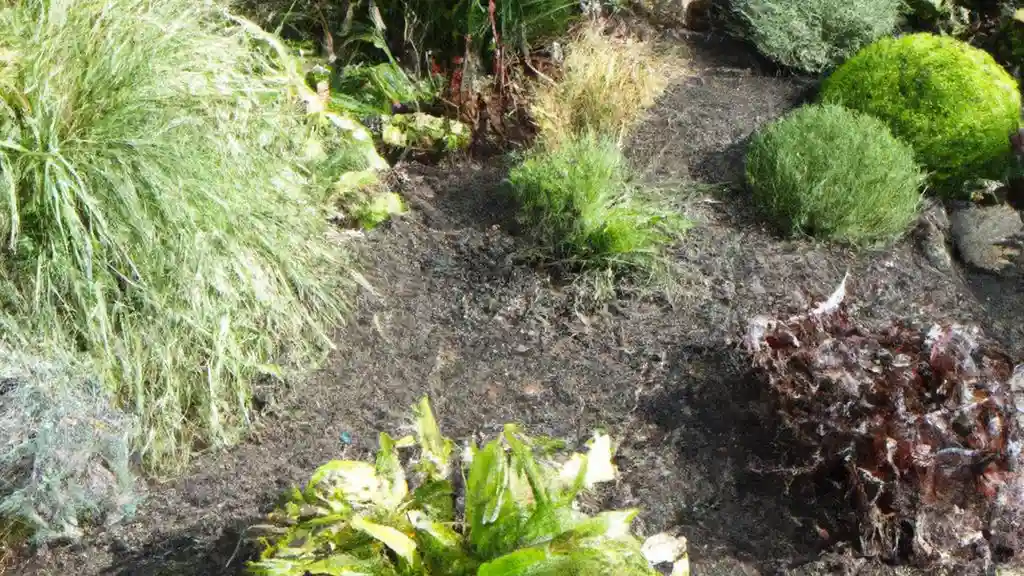
3. Mulch Materials for Insulation and Moisture Retention
Use Case: Mulch is a gardener's best friend, especially in colder zones. A thick layer of mulch (like wood chips, straw, or shredded leaves) around the base of plants insulates the soil, protecting roots from extreme cold in winter and keeping them cooler in summer. It also helps retain soil moisture and suppress weeds.
Product Examples:
- Pine Bark Mulch: A popular choice for aesthetics and insulation. A 2 cubic foot bag typically costs $4-$8.
- Shredded Hardwood Mulch: Breaks down slowly, providing long-lasting insulation. A 2 cubic foot bag is usually $3-$7.
- Straw Bales: Excellent for vegetable gardens, providing good insulation and breaking down into organic matter. A bale can cost $5-$15.
- Leaf Mulch (DIY): Free if you collect and shred your own leaves!
Comparison: Wood mulches are more decorative and longer-lasting. Straw is great for edibles and breaks down faster. Leaf mulch is free and fantastic for soil health. Choose based on aesthetics, cost, and how quickly you want it to decompose.
4. Cold Frames and Mini Greenhouses for Seed Starting and Winter Protection
Use Case: These structures provide a protected environment for starting seeds earlier in spring, hardening off seedlings, or overwintering marginally hardy plants. They trap solar heat, creating a warmer microclimate than the outside air.
Product Examples:
- Palram Plant Inn Mini Greenhouse: A raised garden bed with a clear polycarbonate lid, acting as a cold frame. Great for small spaces. Around $200-$400.
- Gardener's Supply Company Cedar Cold Frame: A classic wooden cold frame, durable and effective. Prices range from $100-$250 depending on size.
- DIY Cold Frame Kits: Many online tutorials and kits available for building your own from wood and polycarbonate panels. Cost can be as low as $50-$100 for materials.
Comparison: Pre-built cold frames offer convenience. DIY options can be more cost-effective and customizable. Mini greenhouses offer more height and space than traditional cold frames, suitable for larger plants or more extensive seed starting.
5. Plant Tags and Markers for Zone-Specific Information
Use Case: While not directly related to zone protection, good plant tags are crucial for remembering what you planted, especially if you're experimenting with different varieties or pushing zones. Many commercial plant tags include hardiness zone information, which is helpful for future reference.
Product Examples:
- Copper Plant Labels: Durable and attractive, they develop a nice patina over time. A pack of 10 can be $15-$30.
- Slate Plant Markers: Natural look, can be written on with chalk or paint pens. A pack of 5-10 might be $10-$25.
- Plastic T-Type Plant Tags: Most common and affordable. A pack of 100 can be $5-$15.
Comparison: Copper and slate are more aesthetic and long-lasting. Plastic tags are cheap and good for temporary labeling or large quantities. Always choose markers that are weather-resistant and won't fade quickly.
By understanding your garden zone and utilizing these tools and techniques, you'll be well on your way to creating a thriving garden that's perfectly suited to your local climate. Happy gardening!
:max_bytes(150000):strip_icc()/277019-baked-pork-chops-with-cream-of-mushroom-soup-DDMFS-beauty-4x3-BG-7505-5762b731cf30447d9cbbbbbf387beafa.jpg)