Weed Control Strategies 5 Effective Methods
Implement 5 effective weed control strategies for a pristine garden. Keep weeds at bay with these beginner-friendly methods.
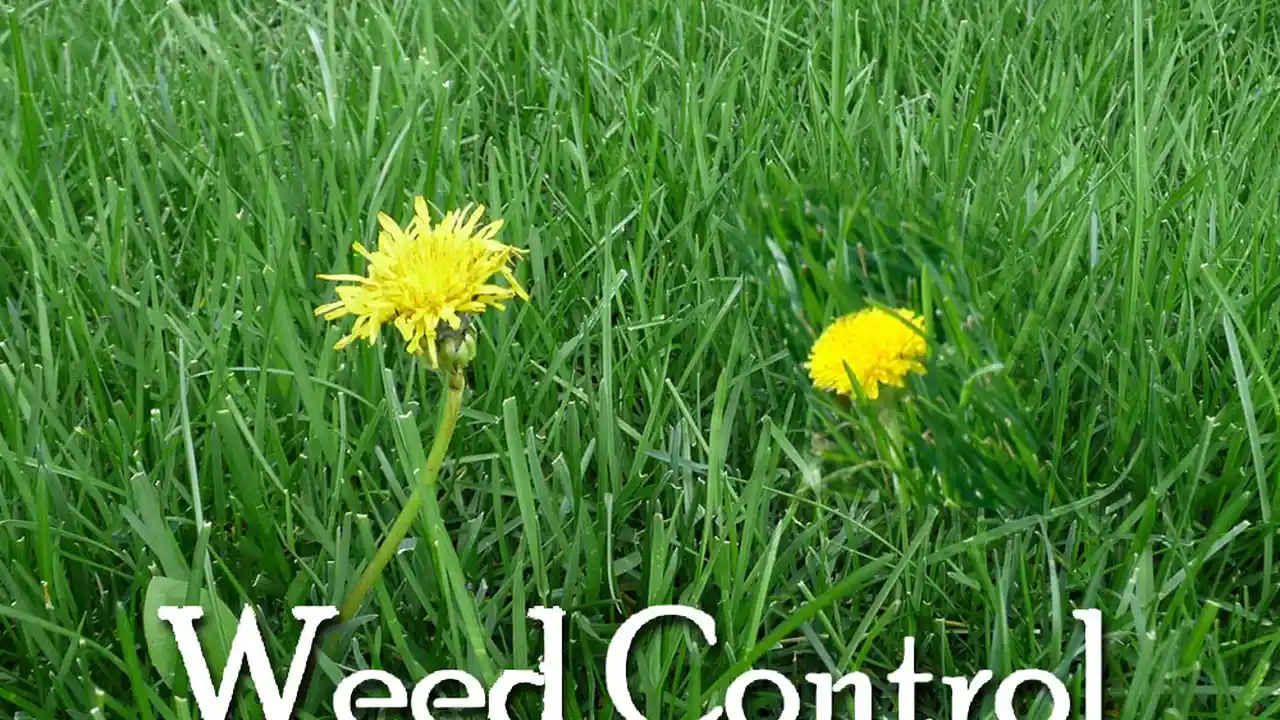
Implement 5 effective weed control strategies for a pristine garden. Keep weeds at bay with these beginner-friendly methods.
Weed Control Strategies 5 Effective Methods
Weeds are the bane of every gardener's existence. They compete with your beloved plants for nutrients, water, and sunlight, and if left unchecked, they can quickly take over your garden, turning a beautiful oasis into an unruly mess. But don't despair! As a beginner gardener, you have several effective, beginner-friendly strategies at your disposal to keep those pesky weeds at bay. This guide will walk you through five of the most reliable methods, offering practical advice, product recommendations, and tips for maintaining a pristine garden.
Understanding Weeds Why They Are a Problem for Gardeners
Before we dive into control methods, it's helpful to understand why weeds are such a persistent problem. Weeds are essentially plants growing where they're not wanted. They are often aggressive growers, producing vast amounts of seeds that can remain viable in the soil for years, even decades. Some weeds also spread through extensive root systems, making them incredibly resilient. Their competitive nature means they can outcompete your cultivated plants, leading to stunted growth, reduced yields, and even plant death. Effective weed control is not just about aesthetics; it's crucial for the health and productivity of your garden.
Method 1 Manual Weeding The Old Fashioned Way for Gardeners
Manual weeding, or hand-pulling, is perhaps the most straightforward and environmentally friendly method of weed control. It's particularly effective for small gardens or for targeting individual weeds that pop up. The key to successful hand-weeding is consistency and timing.
When to Hand Weed Best Time for Weed Removal
The best time to hand weed is when the soil is moist, typically after a rain or watering. Moist soil makes it much easier to pull weeds out, roots and all. Avoid weeding when the soil is dry and hard, as weeds are more likely to break off at the stem, leaving their roots to regrow. Similarly, avoid weeding when the soil is excessively muddy, as you might compact the soil or spread weed seeds more easily.
Tools for Manual Weeding Essential Gear for Gardeners
While your hands are often enough, a few tools can make manual weeding much easier and more efficient:
- Gardening Gloves: Protect your hands from thorns, blisters, and dirt. Look for durable, comfortable gloves with good dexterity.
- Weeding Fork or Dandelion Weeder: These tools are excellent for prying out weeds with taproots, like dandelions, ensuring you get the entire root.
- Hori Hori Knife: A versatile Japanese gardening knife that can be used for weeding, digging, cutting, and planting.
- Kneeling Pad or Garden Stool: Save your knees and back, especially during long weeding sessions.
Recommended Products for Manual Weeding
- Fiskars Ergo Weeder: This tool is designed for comfort and efficiency, making it easier to remove stubborn weeds. It's great for getting under the root system. Priced around $15-$20.
- Wilcox All-Pro 14-Inch Weeder: Known for its durability and effectiveness in removing deep-rooted weeds. A bit pricier, around $25-$30, but a long-lasting investment.
- G & F Products 100% Leather Gardening Gloves: Offer excellent protection and durability, perfect for heavy-duty weeding. Around $10-$15.
Pros and Cons of Manual Weeding
Pros: Environmentally friendly, precise, no chemicals needed, good exercise, satisfying to see immediate results.
Cons: Time-consuming, labor-intensive, can disturb soil structure if not done carefully, not practical for very large areas.
Method 2 Mulching Suppressing Weeds Naturally for Gardeners
Mulching is one of the most effective and beneficial weed control strategies for any gardener. A layer of mulch acts as a physical barrier, blocking sunlight from reaching weed seeds and preventing them from germinating. It also smothers existing small weeds. Beyond weed suppression, mulch offers numerous other benefits, such as retaining soil moisture, regulating soil temperature, and adding organic matter as it decomposes.
Types of Mulch Organic vs Inorganic for Gardeners
Mulches can be broadly categorized into organic and inorganic types:
- Organic Mulches: These are derived from natural materials and decompose over time, enriching the soil. Examples include wood chips, shredded bark, straw, shredded leaves, compost, and pine needles.
- Inorganic Mulches: These do not decompose and do not add nutrients to the soil. Examples include landscape fabric, gravel, pebbles, and rubber mulch.
Applying Mulch Correctly for Weed Control
For effective weed control, apply a layer of mulch 2-4 inches thick. For organic mulches, ensure you leave a small gap (a few inches) around the base of plant stems and tree trunks to prevent moisture buildup and rot. For inorganic mulches like landscape fabric, lay it down first, then cut holes for your plants before covering it with decorative gravel or bark.
Recommended Products for Mulching
- Pine Bark Mulch (e.g., from local garden centers): Excellent for retaining moisture and suppressing weeds. Decomposes slowly, adding organic matter. Price varies by region and quantity, typically $3-$6 per bag.
- Straw Bales (e.g., from farm supply stores): Ideal for vegetable gardens, especially around tomatoes and strawberries. Biodegradable and improves soil. Around $5-$10 per bale.
- DeWitt Pro-5 Weed Barrier Fabric: A durable landscape fabric that provides excellent weed suppression while allowing water and nutrients to pass through. Available in various sizes, a 3ft x 50ft roll is around $20-$30.
Pros and Cons of Mulching
Pros: Highly effective at weed suppression, conserves soil moisture, regulates soil temperature, improves soil health (organic mulches), reduces erosion, enhances garden aesthetics.
Cons: Requires initial investment of time and money, organic mulches need replenishment, can harbor pests if applied too thickly against plant stems, inorganic mulches don't improve soil.
Method 3 Hoeing Shallow Cultivation for Weed Management
Hoeing is a quick and efficient method for removing young weeds, especially in larger garden beds or rows. It involves disturbing the top layer of soil to cut off or uproot weeds before they become established. The key is to hoe shallowly to avoid bringing new weed seeds to the surface.
Types of Hoes Choosing the Right Tool for Gardeners
There are several types of hoes, each suited for different tasks:
- Draw Hoe (e.g., Warren Hoe, Garden Hoe): Has a blade perpendicular to the handle, used by drawing it towards you to cut weeds just below the soil surface.
- Push Hoe (e.g., Dutch Hoe, Scuffle Hoe): Has a blade parallel to the handle, used by pushing and pulling it just below the soil surface to slice off weeds. These are often preferred for their ease of use and minimal soil disturbance.
- Collinear Hoe (e.g., Stirrup Hoe, Oscillating Hoe): Features a hinged blade that rocks back and forth, cutting weeds on both the push and pull strokes. Excellent for precision and speed.
Techniques for Effective Hoeing
Hoeing is most effective on young weeds, ideally when they are just emerging and before they have developed extensive root systems. Hoe on a dry, sunny day so that the uprooted weeds will quickly dry out and die. Avoid hoeing too deeply, as this can bring dormant weed seeds to the surface, where they will germinate.
Recommended Products for Hoeing
- True Temper Garden Hoe: A classic, sturdy draw hoe suitable for general weeding and breaking up soil. Around $20-$25.
- Corona LH 6110 Extendable Handle Hoe: A versatile push/pull hoe with an extendable handle, great for reaching across beds without bending. Around $30-$40.
- Hoss Tools Oscillating Hoe: A high-quality stirrup hoe known for its efficiency and durability, making quick work of weeds. Priced around $50-$60.
Pros and Cons of Hoeing
Pros: Fast and efficient for large areas, less strenuous than hand-weeding, good for maintaining pathways and rows.
Cons: Can bring dormant weed seeds to the surface, less effective on established weeds with deep roots, can damage shallow plant roots if not careful.
Method 4 Landscape Fabric and Weed Barriers Long-Term Weed Prevention
Landscape fabric, also known as weed barrier fabric, is an inorganic mulch that provides a long-term physical barrier against weeds. It's particularly useful in permanent planting areas, under gravel paths, or in areas where you want to minimize maintenance. The fabric allows water and air to pass through to the soil while blocking sunlight, preventing weed growth.
Choosing the Right Landscape Fabric
Not all landscape fabrics are created equal. Look for woven fabrics made from polypropylene, as these are generally more durable and allow better air and water penetration than non-woven or plastic sheeting. Avoid thin, cheap fabrics that can tear easily or degrade quickly in sunlight.
Installation Tips for Weed Barriers
Proper installation is crucial for the effectiveness of landscape fabric:
- Prepare the Area: Clear all existing weeds and debris. Level the soil.
- Lay the Fabric: Roll out the fabric, overlapping seams by at least 6-12 inches to prevent weeds from growing through the gaps.
- Secure the Fabric: Use landscape fabric pins or staples to hold the fabric securely in place, especially along edges and seams.
- Cut for Plants: Cut X-shaped or circular openings for your plants. Make the cuts as small as possible to minimize exposed soil.
- Cover with Mulch: Cover the landscape fabric with a layer of decorative mulch (e.g., wood chips, gravel) to protect it from UV degradation and improve aesthetics.
Recommended Products for Landscape Fabric
- DeWitt Pro-5 Weed Barrier Fabric: As mentioned before, this is a popular choice for its durability and effectiveness. Available in various sizes, a 3ft x 100ft roll is around $35-$45.
- Vigoro Weed Barrier Fabric: Another widely available and reliable option, often found at home improvement stores. A 3ft x 100ft roll is typically $25-$35.
- Gardener's Supply Company Landscape Fabric Staples: Essential for securing the fabric. A pack of 100 is around $10-$15.
Pros and Cons of Landscape Fabric
Pros: Excellent long-term weed suppression, reduces maintenance, allows water and air to reach soil, prevents soil erosion.
Cons: Can be costly for large areas, installation can be labor-intensive, can sometimes shift or expose over time, can hinder soil improvement if organic matter cannot reach the soil, not ideal for annual planting beds where you frequently dig.
Method 5 Solarization and Smothering Advanced Weed Control for Gardeners
Solarization and smothering are more advanced, but highly effective, methods for clearing large areas of weeds and sterilizing the soil. They are particularly useful for preparing new garden beds or reclaiming overgrown areas.
Soil Solarization Harnessing the Sun's Power
Soil solarization involves covering a prepared garden bed with clear plastic sheeting during the hottest months of the year (typically 4-6 weeks). The clear plastic traps solar radiation, heating the soil to temperatures lethal to weed seeds, pathogens, and some pests. This method is chemical-free and can significantly reduce future weed problems.
Steps for Soil Solarization
- Prepare the Bed: Clear existing vegetation, level the soil, and moisten it thoroughly.
- Lay Clear Plastic: Use clear (not black) polyethylene plastic, 1-6 mil thick. Lay it tightly over the prepared bed, burying the edges in trenches to seal in the heat.
- Wait: Leave the plastic in place for 4-6 weeks during the hottest, sunniest part of the year.
- Remove Plastic: Once complete, remove the plastic and plant. Avoid deep tilling, which can bring up new weed seeds.
Smothering Using Cardboard or Newspaper for Weed Suppression
Smothering involves covering an area with thick layers of organic material, such as cardboard or newspaper, to block sunlight and suppress weeds. This method is excellent for creating new garden beds directly over existing lawn or weedy areas without digging.
Steps for Smothering
- Lay Cardboard/Newspaper: Lay down overlapping layers of cardboard (remove tape and labels) or several layers of newspaper directly over the weeds or grass. Wet it thoroughly to help it stay in place and begin decomposition.
- Add Organic Material: Cover the cardboard/newspaper with a thick layer (6-12 inches) of organic material like compost, wood chips, or straw.
- Plant: You can plant directly into the organic material, or wait a few weeks for the cardboard/newspaper to start breaking down.
Recommended Products for Solarization and Smothering
- Clear Polyethylene Sheeting (e.g., from hardware stores): Look for 4-6 mil clear plastic for solarization. A 10ft x 25ft roll is around $20-$30.
- Large Cardboard Boxes (e.g., from appliance stores, moving companies): Free and effective for smothering.
- Newspaper (avoid glossy inserts): Free and readily available.
Pros and Cons of Solarization and Smothering
Pros: Chemical-free, highly effective for large areas, improves soil health (smothering), reduces future weed problems, can kill pathogens (solarization).
Cons: Requires planning and time (solarization), can be unsightly during the process, not suitable for all climates (solarization needs intense sun), can be labor-intensive to gather materials (smothering).
Integrated Weed Management Combining Strategies for Best Results
The most effective weed control strategy often involves a combination of these methods, tailored to your specific garden and weed challenges. For instance, you might hand-weed small areas, mulch extensively around established plants, and use a hoe for pathways. For new beds, solarization or smothering can give you a clean slate. Regular monitoring and prompt action are key to keeping weeds from getting out of control.
Remember, gardening is an ongoing process, and so is weed control. By understanding these methods and consistently applying them, you'll be well on your way to a beautiful, thriving, and weed-free garden. Happy gardening!
:max_bytes(150000):strip_icc()/277019-baked-pork-chops-with-cream-of-mushroom-soup-DDMFS-beauty-4x3-BG-7505-5762b731cf30447d9cbbbbbf387beafa.jpg)