Winterizing Your Irrigation System 4 Steps
Prepare your irrigation system for winter with these 4 essential steps. Prevent damage and ensure longevity.
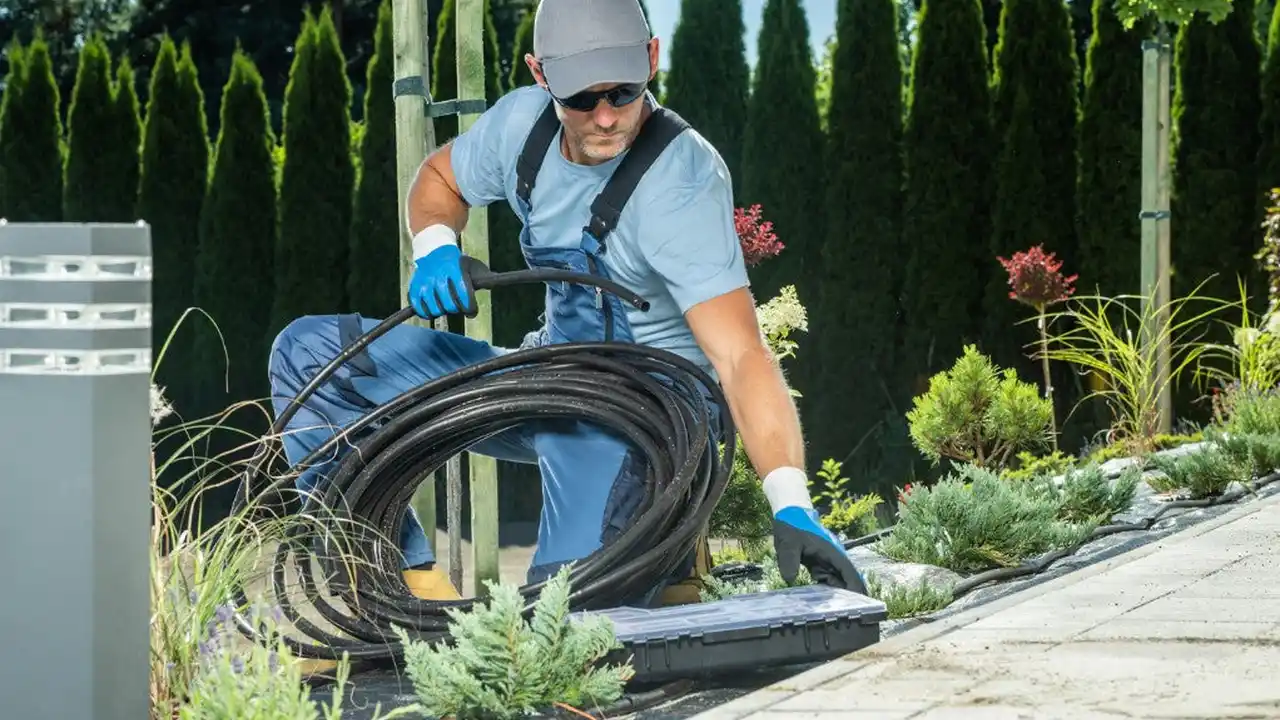
Prepare your irrigation system for winter with these 4 essential steps. Prevent damage and ensure longevity.
Winterizing Your Irrigation System 4 Steps
Why Winterize Your Irrigation System Protecting Your Investment
Hey there, fellow gardeners! As the days get shorter and the temperatures start to drop, it's time to think about putting our gardens to bed for the winter. And a crucial part of that process, especially if you've invested in an irrigation system, is winterizing it. You might be thinking, 'Is it really that big a deal?' Trust me, it absolutely is. Failing to properly winterize your irrigation system can lead to some seriously expensive headaches come springtime. We're talking burst pipes, damaged sprinkler heads, and a whole lot of frustration. Water expands when it freezes, and if there's any water left in your pipes, valves, or sprinkler heads, that expansion can cause them to crack or burst. This isn't just a minor leak; it can be catastrophic for your system. So, let's dive into why this is so important and how you can protect your investment.
Beyond just preventing burst pipes, winterizing also helps maintain the overall health and longevity of your system. Sediment and debris can settle in lines if not properly flushed, leading to clogs and reduced efficiency next season. Plus, leaving water in the system can encourage algae growth or mineral buildup, which can also impact performance. Think of it like putting your car away for the winter – you wouldn't just leave it with a full tank of gas and hope for the best, right? You'd take steps to ensure it's ready for the cold. Your irrigation system deserves the same care.
Step 1 Shutting Off the Water Supply and Draining Manually
Alright, let's get down to business. The very first thing you need to do is cut off the water supply to your irrigation system. This might seem obvious, but it's the most critical initial step. Locate your main shut-off valve for the irrigation system. This is usually near your main water meter or where the irrigation line branches off from your main house water supply. Turn it off completely. You want to ensure no more water can enter the system.
Once the water is off, the next step is to drain the system. Now, how you do this depends on the type of system you have. Many older or simpler systems have manual drain valves. These are typically located at the lowest points of each zone or along the main line. Open all of these drain valves. You'll see water start to trickle or gush out. Let it run until it stops. It's a good idea to open any test cocks or bleeder valves on your backflow preventer as well, as these can hold water. Make sure all sprinkler heads are in their 'up' position if they're pop-up types, as this can help water drain from the risers. If you have a backflow preventer, make sure to open its test cocks or bleeder valves to drain any water trapped there. Some backflow preventers also have a main shut-off valve on either side that you'll want to turn to a 45-degree angle to allow for drainage and prevent freezing.
For those with a more modern system, you might have automatic drain valves. These are designed to open and drain the system when the pressure drops. While convenient, it's still a good practice to manually check a few heads or low points to ensure they've drained properly. Sometimes, a small amount of water can remain, especially in the sprinkler heads themselves, which can still cause damage. So, even with automatic drains, a quick visual check is always a smart move.
Step 2 Using an Air Compressor The Blowout Method
This is where things get a bit more serious, and for most modern irrigation systems, it's the most effective and recommended method: the blowout. This involves using an air compressor to force all remaining water out of the lines. A word of caution here: this is not a DIY job for everyone. If you're not comfortable with air compressors or don't have the right equipment, it's highly recommended to hire a professional. Improper use of an air compressor can severely damage your irrigation system or even cause injury.
If you're going to do it yourself, here's the general process. You'll need an air compressor with a volume of 10-25 cubic feet per minute (CFM) and a pressure regulator. The pressure regulator is crucial because you absolutely do not want to exceed the maximum operating pressure of your irrigation system components, which is typically around 50-80 PSI for PVC and 80-100 PSI for polyethylene pipe. Exceeding these pressures can blow out seals, crack pipes, or damage sprinkler heads. Start with a lower pressure, around 30-40 PSI, and gradually increase if needed, but never go above the recommended maximum.
Connect the air compressor to the blow-out port of your irrigation system. This port is usually located after the backflow preventer. Once connected, open the furthest zone valve from the compressor. Turn on the compressor and slowly open the main valve on the compressor to allow air into the system. You'll see water and mist coming out of the sprinkler heads in that zone. Let the air run until only mist or air is coming out. Then, close that zone valve and move to the next one, repeating the process for all zones. It's important to only blow out one zone at a time to ensure adequate air pressure for each zone.
Product Recommendation: For homeowners, a portable air compressor like the Porter-Cable C2002 Oil-Free UMC Pancake Compressor (around $150-$200) can be a good option for smaller systems, but you'll need to ensure it has enough CFM. For larger systems or more frequent use, a higher CFM compressor like the California Air Tools CAT-100AC Ultra Quiet Air Compressor (around $600-$800) would be more suitable, though it's a significant investment. Remember, you'll also need an adapter to connect your compressor to the irrigation system's blow-out port, which can usually be found at hardware stores for under $20. Always wear safety glasses when performing a blowout.
Comparison: While manual draining is simpler, it often leaves residual water, especially in complex systems with many ups and downs in the piping. The blowout method, when done correctly, ensures almost all water is removed, offering superior protection against freezing. However, it requires specialized equipment and a careful hand. If you're unsure, professional services typically charge between $75-$150 for a standard residential blowout, which can be a worthwhile investment for peace of mind.
Step 3 Protecting Backflow Preventers and Other Components
Your backflow preventer is a critical component of your irrigation system, designed to prevent contaminated water from flowing back into your potable water supply. It's also one of the most vulnerable parts to freezing damage. After you've shut off the water and drained the system (either manually or via blowout), you need to pay special attention to the backflow preventer.
Most backflow preventers have test cocks or drain valves. Ensure these are open and that all water has drained from the device. For some types, like Pressure Vacuum Breakers (PVBs), you might need to leave the test cocks open at a 45-degree angle to allow for expansion if any residual water freezes. For others, like Reduced Pressure Zone (RPZ) assemblies, simply draining them might be sufficient, but always consult your specific model's instructions.
Beyond draining, consider insulating your backflow preventer. You can purchase insulated covers specifically designed for backflow preventers. These are typically made of thick, weather-resistant material and can provide an extra layer of protection against extreme cold. They usually cost between $30-$70, depending on the size and material. Brands like Frost King or generic insulated covers are widely available at home improvement stores.
Don't forget about other exposed components like outdoor spigots, pressure gauges, and any above-ground pipes. Disconnect garden hoses from all outdoor spigots and drain them. If you have any exposed pipes that are not part of the main irrigation system but are connected to outdoor water, consider wrapping them with heat tape or foam pipe insulation. Foam pipe insulation is very affordable, usually a few dollars per length, and easy to install. Heat tape, while more expensive (around $20-$50 for a standard length), provides active heating and is great for areas prone to extreme cold.
Step 4 Controller Settings and Final Checks
Once the physical draining and protection steps are complete, it's time to address your irrigation controller. You don't want your system trying to run in the middle of winter! Most modern controllers have a 'Rain Delay' or 'Off' setting. Select the 'Off' or 'System Off' mode. This will prevent the controller from sending power to the valves, ensuring they remain closed and the system doesn't attempt to run. Some controllers also have a 'Seasonal Adjust' feature that you can set to 0% for the winter, but turning the system completely off is the safest bet.
It's also a good idea to remove the battery backup from your controller if it has one. While not strictly necessary for winterization, it can prevent battery corrosion over the long off-season. If your controller is outdoors, ensure its housing is securely closed to protect it from the elements. If it's in a garage or shed, just make sure it's in a dry, protected spot.
Finally, do a quick visual inspection of your entire system. Are all drain valves closed (after draining)? Are all test cocks on the backflow preventer in the correct position (either open or 45-degree angle, depending on type)? Are all sprinkler heads fully retracted or drained? Are any exposed pipes insulated? Taking a few extra minutes for this final check can save you a lot of hassle later on. You've put in the effort to protect your garden's watering system, now just ensure everything is buttoned up tight for the cold months ahead. Happy winterizing!
:max_bytes(150000):strip_icc()/277019-baked-pork-chops-with-cream-of-mushroom-soup-DDMFS-beauty-4x3-BG-7505-5762b731cf30447d9cbbbbbf387beafa.jpg)