Dealing with Blossom End Rot 3 Solutions
Address blossom end rot in tomatoes and other vegetables with these 3 effective solutions. Save your harvest.
Address blossom end rot in tomatoes and other vegetables with these 3 effective solutions. Save your harvest.
Dealing with Blossom End Rot 3 Solutions
Blossom end rot (BER) is one of the most frustrating issues for home gardeners, especially when you're eagerly awaiting that first ripe tomato or pepper. It's not a disease caused by a pathogen, but rather a physiological disorder that results from a calcium deficiency in the developing fruit. This deficiency isn't usually because there's no calcium in your soil; more often, it's due to inconsistent watering or rapid growth that prevents the plant from transporting enough calcium to the fruit's rapidly expanding cells. The good news? It's often preventable and treatable. Let's dive into three effective solutions to tackle blossom end rot and ensure a bountiful harvest.
Understanding Blossom End Rot What Causes This Common Problem?
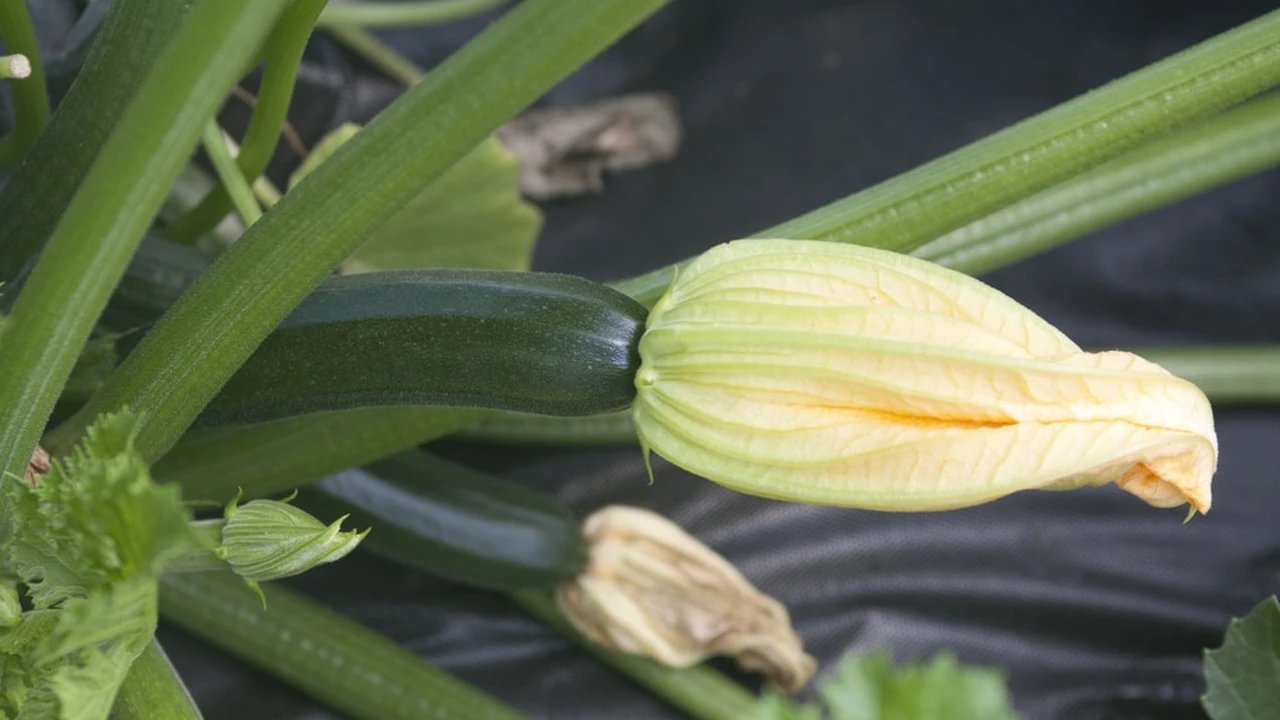
Before we jump into solutions, it's crucial to understand the root causes of blossom end rot. As mentioned, it's primarily a calcium deficiency in the fruit itself. Calcium is essential for cell wall formation, and when a fruit grows quickly, it needs a steady supply. If the plant can't deliver calcium efficiently, the cells at the blossom end (the bottom of the fruit, opposite the stem) collapse, leading to the characteristic dark, sunken, leathery spot.
The most common culprits behind this calcium delivery problem are:
- Inconsistent Watering: This is by far the biggest factor. Fluctuations between very wet and very dry soil make it difficult for plants to absorb and transport nutrients, including calcium.
- Rapid Growth: While fast growth sounds good, if it's too rapid, the plant might not keep up with the calcium demand of new fruit.
- Soil pH Imbalance: If your soil is too acidic or too alkaline, calcium might be present but unavailable to the plant.
- Root Damage: Anything that damages the roots (like cultivation too close to the plant) can impair water and nutrient uptake.
- Excess Nitrogen: Too much nitrogen fertilizer can promote lush leafy growth at the expense of fruit development and can also interfere with calcium uptake.
- Cold Soil Temperatures: Early in the season, cold soil can slow down root activity and nutrient absorption.
Solution 1 Consistent Watering The Foundation of Healthy Fruit
If there's one thing you can do to prevent and mitigate blossom end rot, it's to ensure consistent soil moisture. This doesn't mean constantly soggy soil, which can lead to other problems like root rot. It means avoiding drastic swings from bone dry to soaking wet.
Implementing Consistent Watering Strategies for Tomatoes and Peppers
Here's how to achieve consistent watering:
- Deep and Infrequent Watering: Instead of light, daily sprinkles, water deeply and less frequently. This encourages roots to grow deeper, making the plant more resilient to dry spells. Aim for 1-2 inches of water per week, either from rain or irrigation.
- Mulching: A 2-4 inch layer of organic mulch (like straw, shredded leaves, or wood chips) around your plants is a game-changer. Mulch helps retain soil moisture, suppresses weeds (which compete for water), and moderates soil temperature. This is especially crucial during hot, dry periods.
- Drip Irrigation or Soaker Hoses: These systems deliver water directly to the root zone slowly and efficiently, minimizing evaporation and ensuring consistent moisture. They are excellent investments for serious gardeners.
Recommended Watering Tools for Optimal Moisture Management
To help you maintain consistent moisture, consider these tools:
1. Drip Irrigation Kit
- Product: Rain Bird Drip Irrigation Kit (e.g., Rain Bird Drip Irrigation Garden Kit)
- Use Case: Ideal for rows of vegetables, raised beds, or even individual plants. Delivers water directly to the root zone, reducing water waste and ensuring consistent moisture.
- Comparison: More efficient than hand watering or sprinklers, as it minimizes evaporation and runoff. Less labor-intensive once set up.
- Price Range: $40 - $100 for a starter kit, depending on coverage area.
- Why it helps BER: Provides a steady, slow release of water, preventing the wet-dry cycles that trigger BER.
2. Soaker Hose
- Product: Gilmour Flat Soaker Hose (e.g., Gilmour Flat Soaker Hose, 50-foot)
- Use Case: Great for long rows of plants. Water seeps out along the entire length, providing even moisture.
- Comparison: Simpler and often cheaper than drip irrigation, but less precise. Still very effective for consistent watering.
- Price Range: $20 - $50 for a 50-foot hose.
- Why it helps BER: Delivers water directly to the soil surface, allowing for deep penetration without wetting foliage, which can lead to fungal issues.
3. Soil Moisture Meter
- Product: XLUX T10 Soil Moisture Sensor Meter
- Use Case: Takes the guesswork out of watering. Simply insert the probe into the soil to get an instant reading of moisture levels.
- Comparison: More accurate than the 'finger test.' Helps prevent both overwatering and underwatering.
- Price Range: $10 - $25.
- Why it helps BER: Empowers you to water only when needed, maintaining that crucial consistent moisture level.
Solution 2 Calcium Supplementation and Soil Health Addressing Nutrient Availability
While inconsistent watering is often the primary culprit, sometimes your soil might genuinely be low in available calcium, or other factors are hindering its uptake. Addressing soil health and, if necessary, supplementing calcium can be highly effective.
Enhancing Soil Calcium for Optimal Plant Uptake
Here's how to ensure your plants have access to enough calcium:
- Soil Testing: The first step for any serious soil amendment is a soil test. This will tell you your soil's pH and nutrient levels, including calcium. Your local extension office can provide kits and analysis.
- Adjusting Soil pH: Tomatoes and peppers prefer a slightly acidic to neutral pH (6.0-6.8). If your soil is too acidic, add dolomitic lime (which also provides calcium and magnesium). If it's too alkaline, add elemental sulfur.
- Adding Calcium Amendments: Even if your soil test shows adequate calcium, sometimes a boost can help, especially if you suspect uptake issues.
Recommended Calcium Amendments and Soil Conditioners
Consider these products to improve calcium availability:
1. Garden Lime (Dolomitic Lime)
- Product: Espoma Organic Garden Lime
- Use Case: Best used in fall or early spring, before planting, to raise soil pH and provide a slow-release source of calcium and magnesium.
- Comparison: A long-term solution for pH adjustment and calcium supply. Not a quick fix for active BER.
- Price Range: $15 - $30 for a 6-pound bag.
- Why it helps BER: Corrects soil acidity, making existing calcium more available to plants over time.
2. Bone Meal
- Product: Down To Earth Organic Bone Meal
- Use Case: A natural source of phosphorus and calcium. Can be incorporated into the soil at planting time or side-dressed during the growing season.
- Comparison: Provides calcium along with other essential nutrients. Slower release than liquid calcium.
- Price Range: $10 - $25 for a 5-pound box.
- Why it helps BER: Offers a steady supply of calcium as it breaks down in the soil.
3. Liquid Calcium Spray
- Product: Botanicare Cal-Mag Plus
- Use Case: A foliar spray that provides a quick, direct dose of calcium to the plant. Useful for immediate relief when BER symptoms appear.
- Comparison: Fastest way to get calcium into the plant, but it's a temporary fix. Does not address underlying soil issues.
- Price Range: $20 - $40 for a 1-quart bottle.
- Why it helps BER: Can help developing fruits get the calcium they need quickly, especially if the roots are struggling with uptake. Apply to foliage and developing fruits.
Solution 3 Cultural Practices and Plant Care Optimizing Growth Conditions
Beyond watering and soil amendments, several cultural practices can significantly reduce the incidence of blossom end rot. These focus on reducing plant stress and promoting healthy, balanced growth.
Best Practices for Preventing Blossom End Rot in Your Garden
- Avoid Over-Fertilizing with Nitrogen: While nitrogen is crucial for leafy growth, too much can lead to rapid vegetative growth that outpaces calcium delivery to fruits. Use a balanced fertilizer or one slightly higher in phosphorus and potassium once fruiting begins.
- Planting Time: Avoid planting too early when soil temperatures are still cold. Cold soil inhibits root activity and nutrient uptake. Wait until soil temperatures are consistently above 60°F (15°C).
- Proper Spacing: Give your plants enough space to grow. Overcrowding can lead to competition for water and nutrients.
- Support Your Plants: Use stakes, cages, or trellises to support heavy fruit loads. This prevents stress on the plant and keeps fruits off the ground.
- Pruning Wisely: While some pruning can be beneficial for air circulation, excessive pruning, especially of lower leaves, can stress the plant and reduce its ability to photosynthesize and absorb nutrients.
- Container Gardening Considerations: Plants in containers are more susceptible to BER because their soil dries out faster and nutrient levels can deplete quickly. Use larger containers, high-quality potting mix, and be extra diligent with watering and feeding.
Recommended Tools for Enhanced Plant Support and Care
These tools can help you implement good cultural practices:
1. Tomato Cages or Stakes
- Product: Gardeneer by Dalen Tomato Cages (e.g., 42-inch Heavy Duty Tomato Cage) or sturdy wooden/metal stakes.
- Use Case: Provides essential support for tomato and pepper plants as they grow and bear fruit, preventing stems from breaking and keeping fruit off the ground.
- Comparison: Cages offer all-around support, while stakes require tying. Both are superior to letting plants sprawl.
- Price Range: $5 - $20 per cage/stake.
- Why it helps BER: Reduces plant stress from heavy fruit loads, allowing the plant to focus energy on nutrient uptake and fruit development.
2. Organic All-Purpose Fertilizer (Balanced)
- Product: Espoma Tomato-tone Organic Fertilizer
- Use Case: Provides a balanced blend of nutrients, including calcium, without excessive nitrogen. Ideal for tomatoes and peppers.
- Comparison: Organic fertilizers release nutrients slowly, reducing the risk of over-fertilization compared to synthetic options.
- Price Range: $15 - $30 for a 4-pound bag.
- Why it helps BER: Ensures a steady supply of all necessary nutrients, including calcium, without promoting overly rapid, unbalanced growth.
3. Large Fabric Grow Bags
- Product: VIVOSUN Fabric Grow Bags (e.g., 10-gallon size)
- Use Case: Excellent for container gardening. Fabric allows for better aeration and drainage, preventing root rot and promoting healthier root systems.
- Comparison: Superior to plastic pots for aeration and temperature regulation. Easier to move than heavy ceramic pots.
- Price Range: $15 - $30 for a 5-pack.
- Why it helps BER: Promotes a healthier root environment, which is crucial for efficient water and nutrient uptake, especially calcium.
Putting It All Together A Holistic Approach to Blossom End Rot
Successfully combating blossom end rot often requires a combination of these strategies. Think of it as a holistic approach to plant health. Start with consistent watering, as it's the most common and impactful factor. Then, assess your soil health and consider amendments if necessary. Finally, implement good cultural practices to reduce overall plant stress.
Don't get discouraged if you see a few fruits with BER. It's a common issue, even for experienced gardeners. By understanding the causes and applying these solutions, you'll be well on your way to enjoying perfect, blemish-free tomatoes, peppers, squash, and other susceptible vegetables from your garden. Happy gardening!
:max_bytes(150000):strip_icc()/277019-baked-pork-chops-with-cream-of-mushroom-soup-DDMFS-beauty-4x3-BG-7505-5762b731cf30447d9cbbbbbf387beafa.jpg)