Growing Hydrangeas A Beginner's Guide
Cultivate beautiful hydrangeas with this beginner's guide. Learn about planting, care, and color changes.
Cultivate beautiful hydrangeas with this beginner's guide. Learn about planting, care, and color changes.
Growing Hydrangeas A Beginner's Guide
Hey there, fellow garden enthusiasts! Are you ready to dive into the wonderful world of hydrangeas? These stunning shrubs are a true showstopper in any garden, known for their lush foliage and magnificent, long-lasting blooms. Whether you're a seasoned gardener or just starting out, hydrangeas offer a rewarding experience with their diverse forms and captivating colors. Let's get you started on your journey to growing these beauties!
Understanding Hydrangea Types Choosing Your Perfect Bloom
Before you even think about digging, it's super important to know that not all hydrangeas are created equal. There are several main types, and each has its own unique characteristics and care requirements. Knowing which type you have (or want!) will make all the difference in your success.
Bigleaf Hydrangeas Hydrangea macrophylla
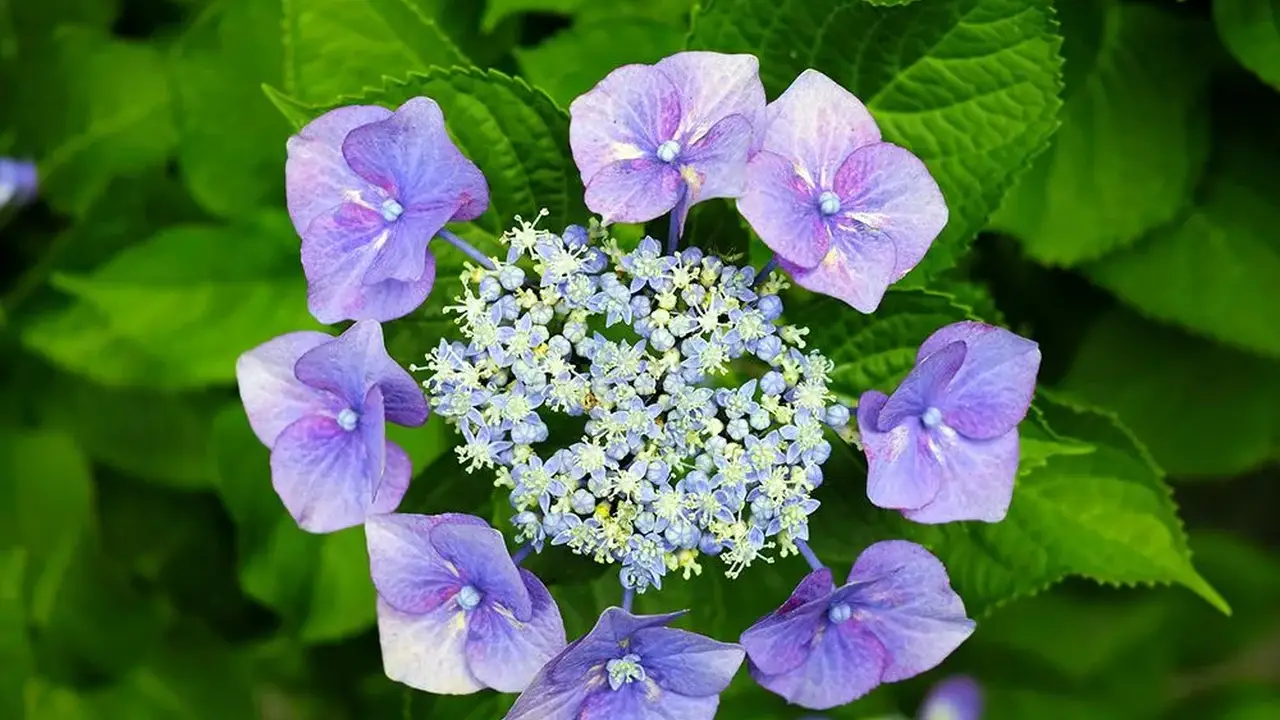
These are probably what most people picture when they think of hydrangeas. They're famous for their large, showy flowerheads, which can be either mophead (round, full clusters) or lacecap (flatter, with tiny fertile flowers in the center surrounded by larger sterile ones). The cool thing about many Bigleaf hydrangeas is their ability to change color based on soil pH. More on that later!
Panicle Hydrangeas Hydrangea paniculata
Panicle hydrangeas are super hardy and versatile. They're known for their cone-shaped flowers that often start white or lime green and then mature to pink or red. Varieties like 'Limelight' and 'Vanilla Strawberry' are incredibly popular because they're reliable bloomers and can handle more sun than their Bigleaf cousins.
Smooth Hydrangeas Hydrangea arborescens
Often called 'Annabelle' hydrangeas after one of their most famous cultivars, Smooth hydrangeas produce huge, round white flowerheads. They're incredibly cold-hardy and bloom on new wood, meaning you don't have to worry as much about winter damage affecting their blooms.
Oakleaf Hydrangeas Hydrangea quercifolia
These are truly unique with their oak-shaped leaves that turn beautiful shades of red, bronze, and purple in the fall. Their flowers are elongated, cone-shaped clusters that start white and age to pink. They also have attractive peeling bark, adding winter interest.
Climbing Hydrangeas Hydrangea anomala petiolaris
If you've got a wall, fence, or old tree you want to cover, a Climbing hydrangea is your go-to. They attach themselves with aerial roots and produce delicate, lacecap-like white flowers. They're slow to establish but worth the wait!
Planting Your Hydrangea Finding the Perfect Spot
Once you've picked your hydrangea type, it's time to find its happy place in your garden. Location, location, location is key for these beauties!
Sunlight Requirements Hydrangea Light Needs
Most hydrangeas prefer a spot with morning sun and afternoon shade, especially in hotter climates. The intense afternoon sun can scorch their leaves and cause wilting. Panicle hydrangeas are generally more sun-tolerant and can handle more direct light, while Bigleaf and Smooth hydrangeas definitely appreciate that afternoon reprieve.
Soil Preparation Hydrangea Soil pH and Drainage
Hydrangeas love well-draining soil that's rich in organic matter. If your soil is heavy clay, amend it with compost, peat moss, or other organic materials to improve drainage and fertility. Good drainage is crucial because hydrangeas don't like wet feet, which can lead to root rot.
For Bigleaf hydrangeas, soil pH is a big deal because it affects their flower color. Acidic soil (pH 5.5 and lower) will give you blue flowers, while alkaline soil (pH 6.5 and higher) will result in pink flowers. If your soil is neutral, you might get purple blooms or a mix of pink and blue. Smooth and Panicle hydrangeas aren't affected by soil pH in terms of flower color.
Planting Process Step-by-Step Hydrangea Planting
Dig a hole that's twice as wide as the root ball and just as deep. Gently remove the hydrangea from its container and loosen any circling roots. Place the plant in the hole so the top of the root ball is level with the surrounding soil. Backfill with your amended soil, gently tamping down to remove air pockets. Water thoroughly after planting to help settle the soil.
Hydrangea Care Essentials Watering, Fertilizing, and Pruning
Now that your hydrangea is in the ground, let's talk about keeping it happy and healthy.
Watering Hydrangeas Hydration for Healthy Blooms
Hydrangeas are thirsty plants, especially when they're establishing and during hot, dry periods. Water deeply and regularly, aiming for about 1 inch of water per week, either from rainfall or irrigation. It's best to water at the base of the plant to avoid wetting the foliage, which can encourage fungal diseases. A good layer of mulch (2-3 inches) around the base will help retain soil moisture and regulate soil temperature.
Fertilizing Hydrangeas Nutrient Needs
Hydrangeas generally aren't heavy feeders. A balanced slow-release fertilizer in early spring is usually sufficient. Look for a fertilizer specifically formulated for flowering shrubs. Avoid over-fertilizing, as this can lead to lush foliage but fewer blooms. For Bigleaf hydrangeas, if you want to influence their color, you can use specific amendments: aluminum sulfate for blue flowers (acidic) or garden lime for pink flowers (alkaline). Always follow product instructions carefully!
Pruning Hydrangeas When and How to Trim
Pruning is where things can get a little tricky, as it depends on the type of hydrangea you have. Pruning at the wrong time can mean no blooms for a year!
- Bigleaf and Oakleaf Hydrangeas: These bloom on old wood (last year's growth). Prune them right after they finish flowering in late summer. Only remove dead, damaged, or weak stems. Avoid pruning after August, as you'll be cutting off next year's flower buds.
- Smooth and Panicle Hydrangeas: These bloom on new wood (current year's growth). You can prune them in late winter or early spring before new growth begins. This is a great time to shape the plant and encourage strong new stems.
- Climbing Hydrangeas: Prune these after flowering to control their size and shape.
Pest and Disease Management Keeping Hydrangeas Healthy
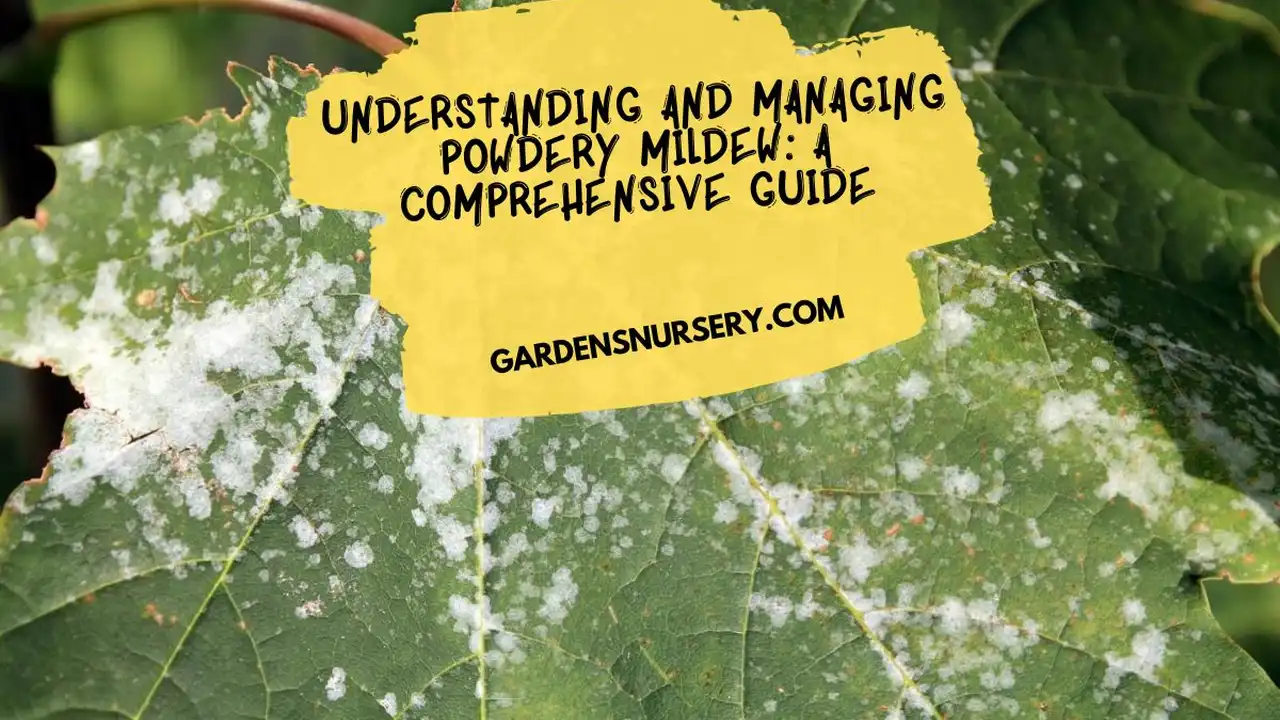
Hydrangeas are generally pretty tough, but they can occasionally encounter issues. Keep an eye out for common pests like aphids, spider mites, or slugs. Most can be managed with a strong spray of water or insecticidal soap. Fungal diseases like powdery mildew can occur in humid conditions; ensure good air circulation and avoid overhead watering. If you spot any issues, address them promptly to prevent them from spreading.
Changing Hydrangea Color The pH Magic
This is one of the most fascinating aspects of Bigleaf hydrangeas! As mentioned, their flower color is directly influenced by the soil's pH level. It's like magic, but it's science!
For Blue Hydrangeas Achieving Blue Blooms
To get those stunning blue blooms, you need acidic soil (pH 5.5 or lower) and the presence of aluminum. You can lower your soil pH by adding soil acidifiers like aluminum sulfate or elemental sulfur. Coffee grounds and pine needles can also help acidify the soil over time. Start applying these amendments in early spring and continue throughout the growing season, following product instructions carefully. It might take a season or two to see significant color change.
For Pink Hydrangeas Encouraging Pink Hues
If you're aiming for pretty pink flowers, you need alkaline soil (pH 6.5 or higher) and to limit the availability of aluminum. You can raise your soil pH by adding garden lime. Bone meal can also help. Again, apply in early spring and follow directions. If your soil naturally has a lot of aluminum, it might be challenging to get truly vibrant pinks.
White Hydrangeas No Color Change
It's important to note that white hydrangeas (like 'Annabelle' or 'Limelight') will always stay white (or age to pink/red in the case of some Panicle varieties), regardless of soil pH. Their color isn't affected by soil chemistry.
Recommended Products for Hydrangea Care
To help you on your hydrangea journey, here are some specific products that can make a big difference. Remember, always read and follow the manufacturer's instructions for application rates and safety.
Soil Amendments for Color Change
- Espoma Organic Soil Acidifier (for Blue Hydrangeas): This is a granular product containing elemental sulfur. It's great for gradually lowering soil pH. You'd typically apply it around the drip line of your hydrangea in early spring. A 6 lb bag usually costs around $15-$20 and can treat several plants. It's a slow-release option, so don't expect instant results, but it's effective over time.
- Miracle-Gro Water Soluble Azalea, Camellia, Hydrangea Plant Food (for Blue Hydrangeas): This is a quicker-acting option for blue hydrangeas, as it contains aluminum sulfate. You mix it with water and apply it every 7-14 days during the growing season. A 1.5 lb box is typically $10-$15. It's good for a more immediate impact, especially if your soil is already somewhat acidic.
- Espoma Organic Garden Lime (for Pink Hydrangeas): This granular product helps raise soil pH for pink hydrangeas. Apply it in early spring. A 6.75 lb bag is usually $10-$15. It's a natural way to make your soil more alkaline.
Fertilizers for General Health
- Osmocote Smart-Release Plant Food Flower & Vegetable (19-6-12): This is a fantastic slow-release granular fertilizer that feeds your plants for up to 6 months. You just sprinkle it around the base of the plant in spring. A 2 lb container is around $15-$20. It's super convenient and provides a steady supply of nutrients.
- Espoma Organic Holly-tone (4-3-4): While named for hollies, this organic fertilizer is excellent for all acid-loving plants, including hydrangeas (especially if you want blue ones!). It contains beneficial microbes and provides a gentle, long-lasting feed. A 4 lb bag is typically $10-$15.
Pest and Disease Control
- Bonide All Seasons Horticultural & Dormant Spray Oil: This is a great organic option for controlling a wide range of soft-bodied insects like aphids and spider mites. You mix it with water and spray it on the foliage. A quart concentrate is around $20-$25 and makes many gallons of spray. It works by suffocating pests.
- Safer Brand Insect Killing Soap: Another excellent organic choice for aphids, whiteflies, and spider mites. It's ready-to-use or a concentrate. A 32 oz ready-to-use spray is about $10-$12. It's safe for beneficial insects once dry.
- Garden Safe Fungicide3 Ready-to-Use: This product acts as a fungicide, insecticide, and miticide. It's effective against powdery mildew and other common fungal issues. A 24 oz ready-to-use spray is around $10-$15.
Tools for Pruning and Care
- Fiskars Bypass Pruners: A good pair of sharp bypass pruners is essential for clean cuts that heal quickly. Fiskars are durable and widely available, usually costing $20-$30. They're perfect for cutting stems up to 3/4 inch thick.
- Corona Forged Bypass Pruner: A slightly more professional-grade option, these are known for their strength and longevity. Expect to pay $30-$45. They're a great investment for serious gardeners.
- Garden Gloves (e.g., Atlas Nitrile Touch): Protect your hands! These gloves are lightweight, breathable, and offer good dexterity, making them perfect for delicate tasks and handling thorny stems. A pair is usually $5-$10.
Common Hydrangea Problems and Solutions
Even with the best care, sometimes things go a little sideways. Here are some common issues you might encounter and how to fix them.
No Blooms Hydrangea Not Flowering
This is probably the most common complaint! If your Bigleaf or Oakleaf hydrangea isn't blooming, the most likely culprit is improper pruning (pruning at the wrong time, cutting off old wood where buds form) or winter damage to the flower buds. For Smooth and Panicle hydrangeas, lack of sun or insufficient nutrients could be the cause. Ensure they get enough light and a balanced fertilizer.
Yellow Leaves Hydrangea Leaf Discoloration
Yellow leaves can indicate several things: overwatering (leading to root rot), underwatering, nutrient deficiency (especially iron chlorosis in alkaline soils), or too much sun. Check your watering schedule and soil moisture. If it's chlorosis, an iron supplement or soil acidifier can help.
Wilting Hydrangea Drooping Leaves
Wilting usually means your hydrangea is thirsty! Give it a good, deep drink. However, wilting can also be a sign of overwatering if the roots are suffocating. Stick your finger into the soil to check moisture levels before watering. Sometimes, hydrangeas will wilt in the hot afternoon sun even if they have enough water; they usually perk up in the evening.
Brown Spots on Leaves Hydrangea Leaf Problems
Brown spots can be from fungal diseases (like leaf spot), sun scorch, or even pest damage. Remove affected leaves and ensure good air circulation. If it's sun scorch, consider moving the plant or providing more afternoon shade.
Hydrangea Winter Care Protecting Your Plants
For hydrangeas that bloom on old wood (Bigleaf and Oakleaf), winter protection is crucial, especially in colder climates (USDA Zones 5 and below). The flower buds form in late summer/early fall and need to survive the winter to bloom next year.
Winter Protection Methods Hydrangea Winterizing
Apply a thick layer of mulch (6-12 inches) around the base of the plant after the ground freezes. You can also create a cage around the plant with chicken wire and fill it with leaves or straw for insulation. For smaller plants, covering them with burlap or a frost cloth on very cold nights can help. Panicle and Smooth hydrangeas are generally more cold-hardy and often don't require extensive winter protection.
Hydrangeas in Containers Growing in Pots
Don't have a lot of garden space? No problem! Many hydrangeas, especially dwarf varieties of Bigleaf and Panicle types, do wonderfully in containers.
Container Growing Tips Hydrangea Potting
Choose a large pot (at least 18-24 inches in diameter) with good drainage holes. Use a high-quality potting mix, not garden soil. Container-grown hydrangeas will need more frequent watering than those in the ground, sometimes daily in hot weather. They also benefit from more regular feeding with a liquid fertilizer during the growing season. In colder climates, you might need to move container hydrangeas to a sheltered location (like a garage or unheated shed) for the winter to protect their roots from freezing.
Hydrangea Varieties for Specific Uses
Let's talk about some specific cultivars that are popular and perform well, giving you some ideas for your own garden.
Best Hydrangeas for Full Sun Tolerant Varieties
- Hydrangea paniculata 'Limelight': This is a superstar! It has large, lime-green flowers that mature to white and then pink. It's incredibly hardy and sun-tolerant. Grows 6-8 feet tall and wide.
- Hydrangea paniculata 'Vanilla Strawberry': Another fantastic Panicle type with huge, conical flowers that start white, turn pink, and then deep strawberry red. Grows 6-7 feet tall and wide.
- Hydrangea paniculata 'Little Lime': A dwarf version of 'Limelight', perfect for smaller spaces or containers. Grows 3-5 feet tall and wide.
Best Hydrangeas for Shade Loving Varieties
- Hydrangea macrophylla 'Endless Summer Original': This Bigleaf hydrangea is a rebloomer, meaning it blooms on both old and new wood, making it more reliable for blooms even after a harsh winter. Its color changes with soil pH. Grows 3-5 feet tall and wide.
- Hydrangea arborescens 'Annabelle': The classic Smooth hydrangea with massive white mophead flowers. Very cold-hardy and blooms reliably on new wood. Grows 3-5 feet tall and wide.
- Hydrangea quercifolia 'Snowflake': An Oakleaf hydrangea with beautiful double white flowers that age to pink. Excellent fall foliage and winter bark. Grows 6-8 feet tall and wide.
Compact Hydrangeas for Small Spaces
- Hydrangea macrophylla 'Tiny Tuff Stuff': A compact reblooming lacecap hydrangea that changes color with soil pH. Perfect for containers or small beds. Grows 2-3 feet tall and wide.
- Hydrangea paniculata 'Bobo': A very compact Panicle hydrangea with abundant white flowers that turn pink. Great for borders or containers. Grows 2-3 feet tall and wide.
- Hydrangea arborescens 'Invincibelle Wee White': A dwarf version of the 'Annabelle' type, with small, abundant white flowers. Grows 1-2.5 feet tall and wide.
Growing hydrangeas is a truly rewarding experience. With a little understanding of their specific needs and some consistent care, you'll be enjoying their magnificent blooms for years to come. Happy gardening!
:max_bytes(150000):strip_icc()/277019-baked-pork-chops-with-cream-of-mushroom-soup-DDMFS-beauty-4x3-BG-7505-5762b731cf30447d9cbbbbbf387beafa.jpg)