Growing Peppers A Beginner's Guide
{ "article": [ { "title": "Growing Peppers A Beginners Guide", "meta_description": "Cultivate your own peppers with this beginner-friendly guide. From planting to harvest, get all the tips you need.", "content": "Cultivate your own peppers with this beginner-friendly guide. From planting to harvest, get all the tips you need.\n\n
\n\n
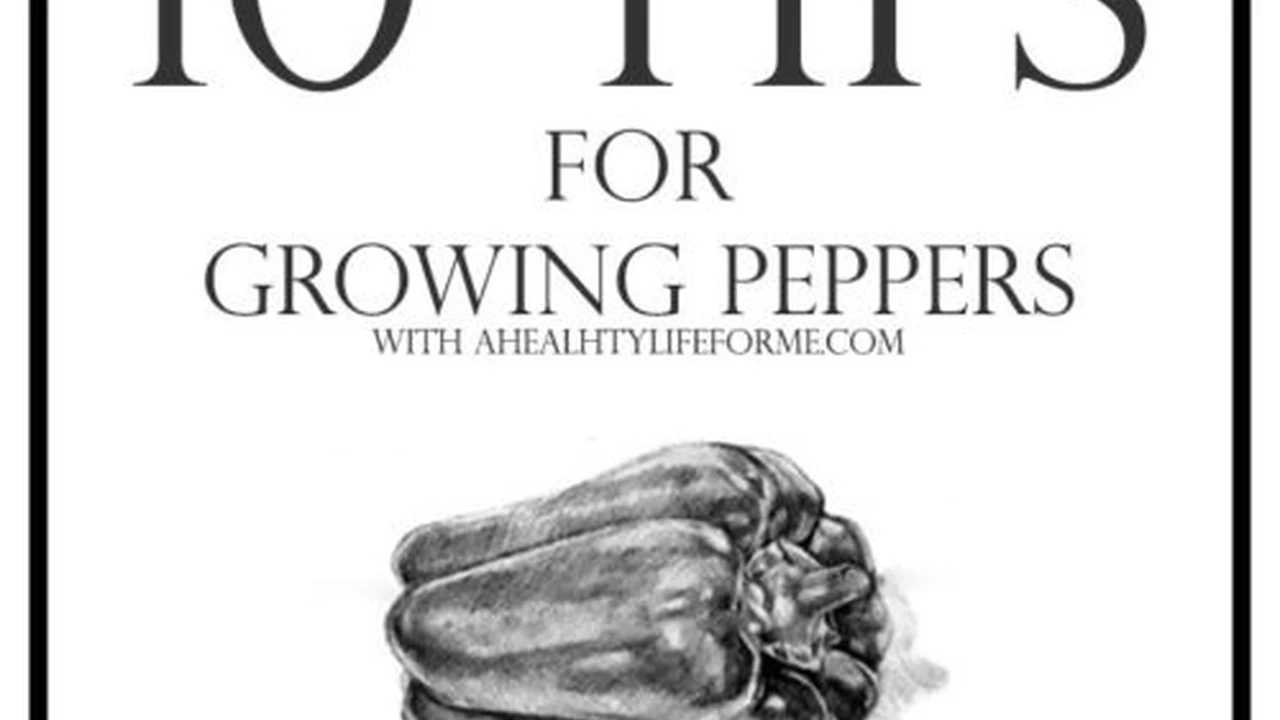
Hey there, aspiring gardeners! Ready to add some spice, or maybe some sweet crunch, to your homegrown bounty? Growing peppers can be incredibly rewarding, whether you're aiming for fiery jalapeños, mild bell peppers, or anything in between. They're not as tricky as some might think, and with a little know-how, you'll be harvesting your own colorful capsicums in no time. This guide is designed specifically for beginners, breaking down everything you need to know from seed to plate. Let's dig in!
\n\nUnderstanding Pepper Varieties Choosing the Right Pepper for Your Garden
\n\nBefore you even think about dirt, let's talk peppers! There's a huge world of pepper varieties out there, each with its own flavor, heat level, and growing habits. Knowing what you want to grow is the first step to success. Do you love the crispness of a bell pepper in your salad? Or are you a fan of the fiery kick of a habanero? Maybe you're somewhere in the middle with a versatile poblano. Here are some popular choices for beginners:
\n\n- \n
- Bell Peppers: These are the sweethearts of the pepper world. They come in red, yellow, orange, green, and even purple. They're great for salads, stir-fries, stuffing, or just snacking. They tend to be less fussy and produce a good yield. \n
- Jalapeños: A classic for a reason! Jalapeños offer a moderate heat, perfect for salsas, nachos, or pickling. They're relatively easy to grow and mature quickly. \n
- Poblano Peppers: Often used for chile rellenos, poblanos are mild to medium heat and have a rich, earthy flavor. They're a fantastic choice if you want a little warmth without overwhelming heat. \n
- Cayenne Peppers: If you like a bit more heat, cayenne peppers are a good step up. They're long, thin, and great for drying and making your own chili powder. \n
- Banana Peppers: These can be sweet or mild, and their elongated shape makes them perfect for pickling or adding to sandwiches. \n
Consider your climate too. Some peppers, especially the super-hot varieties, need a longer, hotter growing season. For most beginners, starting with bell peppers or jalapeños is a safe bet as they are more forgiving.
\n\nStarting Pepper Seeds Indoors Giving Your Peppers a Head Start
\n\nPeppers love warmth, and they need a long growing season. In most climates, you'll want to start your pepper seeds indoors about 8-10 weeks before your last expected frost date. This gives them a good head start and ensures they have enough time to produce fruit before the cold weather returns.
\n\nEssential Supplies for Seed Starting:
\n\n- \n
- Seed Starting Mix: Don't use regular garden soil! A good seed starting mix is light, sterile, and provides excellent drainage. \n
- Seed Trays or Small Pots: You can use plastic seed trays with individual cells, peat pots, or even repurposed yogurt cups (just make sure to poke drainage holes!). \n
- Heat Mat: This is a game-changer for pepper seeds. They germinate best when the soil temperature is consistently warm, ideally between 75-85°F (24-29°C). A heat mat provides this consistent warmth from below. \n
- Grow Lights: Once your seeds sprout, they'll need plenty of light to prevent them from becoming leggy and weak. A simple fluorescent shop light or dedicated LED grow lights will do the trick. \n
- Spray Bottle: For gentle watering. \n
Step-by-Step Seed Starting:
\n\n- \n
- Prepare Your Containers: Fill your seed trays or pots with the seed starting mix, leaving about half an inch of space from the top. Gently moisten the mix. \n
- Plant the Seeds: Plant 2-3 pepper seeds per cell or pot, about 1/4 inch deep. Cover lightly with more seed starting mix. Planting a few extra ensures you'll have healthy seedlings even if some don't germinate. \n
- Water Gently: Use a spray bottle to gently mist the surface. You want the soil to be moist, not soggy. \n
- Provide Warmth: Place your seed trays on a heat mat. This is crucial for good germination rates. \n
- Provide Light (After Germination): Once you see sprouts emerge, remove the heat mat (unless your house is very cool) and immediately place them under grow lights. Keep the lights just a few inches above the seedlings. Adjust the height as they grow. Aim for 14-16 hours of light per day. \n
- Thinning: Once your seedlings have developed their first set of true leaves (the second set of leaves that appear after the initial round), thin them to the strongest seedling per cell. You can snip the weaker ones at the soil line with small scissors to avoid disturbing the roots of the keeper. \n
- Watering and Feeding: Keep the soil consistently moist but not waterlogged. Once your seedlings have a few sets of true leaves, you can start feeding them with a diluted liquid fertilizer, specifically formulated for seedlings, at half strength every two weeks. \n
Transplanting Pepper Seedlings Hardening Off and Planting Out
\n\nOnce your pepper seedlings are about 6-8 inches tall and all danger of frost has passed, it's time to get them ready for their new home outdoors. But don't just plop them straight into the garden! They need to be "hardened off" first.
\n\nHardening Off Your Pepper Plants:
\n\nHardening off is the process of gradually acclimating your indoor-grown seedlings to outdoor conditions (sun, wind, fluctuating temperatures). This prevents transplant shock and ensures they thrive. Start this process about 7-10 days before you plan to plant them in the garden.
\n\n- \n
- Day 1-2: Place your seedlings in a sheltered, shady spot outdoors for a few hours. \n
- Day 3-4: Move them to a slightly sunnier spot for a few more hours. \n
- Day 5-6: Increase their exposure to direct sunlight and leave them out for most of the day. \n
- Day 7-10: Leave them out overnight, as long as temperatures are above 50°F (10°C). \n
Bring them in if there's a risk of strong winds, heavy rain, or temperatures dropping too low.
\n\nChoosing the Right Spot for Peppers:
\n\nPeppers are sun-lovers! They need at least 6-8 hours of direct sunlight per day to produce well. Choose a spot in your garden that gets full sun. They also prefer well-draining soil that's rich in organic matter.
\n\nPlanting Peppers in the Garden:
\n\n- \n
- Prepare the Soil: Amend your garden soil with compost or other organic matter to improve drainage and fertility. Peppers prefer a slightly acidic to neutral pH (6.0-7.0). \n
- Dig Holes: Dig holes that are slightly wider and deeper than the root ball of your pepper seedlings. \n
- Planting: Gently remove the seedling from its container, being careful not to disturb the roots too much. Place it in the hole so that the top of the root ball is level with the soil surface. If your plant is a bit leggy, you can plant it a little deeper, up to the first set of true leaves, as peppers can root along the stem. \n
- Spacing: Space pepper plants about 18-24 inches apart, depending on the variety. This gives them enough room to grow and allows for good air circulation. \n
- Water Thoroughly: After planting, water your new pepper plants thoroughly to help settle the soil around their roots. \n
Caring for Pepper Plants Watering, Fertilizing, and Support
\n\nOnce your pepper plants are in the ground, consistent care will ensure a bountiful harvest.
\n\nWatering Pepper Plants:
\n\nPeppers need consistent moisture, especially when they are flowering and setting fruit. Aim for about 1 inch of water per week, either from rain or irrigation. In hot, dry weather, you might need to water more frequently. The best way to check is to stick your finger about an inch or two into the soil; if it feels dry, it's time to water. Avoid overhead watering if possible, as wet foliage can encourage fungal diseases. Drip irrigation or soaker hoses are ideal.
\n\nFertilizing Pepper Plants:
\n\nPeppers are moderate feeders. Start with a balanced fertilizer when you plant them. Once they start to flower and set fruit, switch to a fertilizer that's higher in phosphorus and potassium, and lower in nitrogen. Too much nitrogen can lead to lush leafy growth but fewer peppers. You can use organic options like bone meal and kelp meal, or a balanced granular fertilizer. Follow the product instructions for application rates.
\n\nSupporting Pepper Plants:
\n\nMany pepper varieties, especially bell peppers and larger hot peppers, can become top-heavy when laden with fruit. Providing support can prevent stems from breaking and keep the fruit off the ground, reducing the risk of rot and pests. You can use:
\n\n- \n
- Stakes: Drive a sturdy stake next to each plant and loosely tie the main stem to it as the plant grows. \n
- Tomato Cages: These work well for many pepper varieties, providing all-around support. \n
- Trellising: For larger plantings, a simple trellis system can be very effective. \n
Pinching and Pruning Peppers:
\n\nSome gardeners like to pinch off the first few flowers that appear on young pepper plants. This encourages the plant to put more energy into developing a strong root system and bushier growth, which can lead to a larger overall harvest later in the season. You can also prune away any yellowing or diseased leaves to improve air circulation.
\n\nCommon Pepper Pests and Diseases Identification and Organic Solutions
\n\nEven with the best care, you might encounter some common pepper problems. Don't panic! Many can be managed organically.
\n\nCommon Pepper Pests:
\n\n- \n
- Aphids: Small, soft-bodied insects that cluster on new growth and the undersides of leaves. They suck plant sap, causing distorted growth. \n
- Spider Mites: Tiny arachnids that cause stippling (tiny dots) on leaves and can create fine webbing. They thrive in hot, dry conditions. \n
- Flea Beetles: Small, jumping beetles that chew tiny holes in leaves, especially on young plants. \n
- Hornworms: Large, green caterpillars that can rapidly defoliate a plant. \n
Organic Pest Control Solutions:
\n\n- \n
- Hand-picking: For larger pests like hornworms, simply pick them off and drop them in a bucket of soapy water. \n
- Strong Water Spray: A strong blast of water can dislodge aphids and spider mites. \n
- Insecticidal Soap: Effective against soft-bodied pests like aphids and spider mites. Make sure to cover all plant surfaces, especially the undersides of leaves. \n
- Neem Oil: A natural insecticide that disrupts pest feeding and reproduction. \n
- Beneficial Insects: Encourage ladybugs, lacewings, and other beneficial insects that prey on pests. \n
- Row Covers: For flea beetles, use lightweight row covers over young plants to physically exclude them. \n
Common Pepper Diseases:
\n\n- \n
- Blossom End Rot: Not a disease, but a calcium deficiency often caused by inconsistent watering. Appears as a dark, sunken spot on the blossom end of the fruit. \n
- Bacterial Spot: Causes small, dark, water-soaked spots on leaves and fruit. \n
- Powdery Mildew: Appears as white, powdery patches on leaves. \n
- Fusarium Wilt: Causes wilting and yellowing of leaves, often on one side of the plant. \n
Disease Prevention and Treatment:
\n\n- \n
- Consistent Watering: Crucial for preventing blossom end rot. \n
- Good Air Circulation: Space plants properly and prune lower leaves to improve airflow, reducing fungal issues. \n
- Sanitation: Remove and destroy diseased plant material. \n
- Resistant Varieties: Choose pepper varieties that are resistant to common diseases. \n
- Copper-based Fungicides: Can be used for some bacterial and fungal diseases, but always follow instructions carefully. \n
Harvesting Peppers When and How to Pick for Best Flavor
\n\nThis is the moment you've been waiting for! Knowing when to harvest your peppers is key to getting the best flavor and encouraging more production.
\n\nWhen to Harvest Peppers:
\n\nMost peppers can be harvested at different stages of maturity, depending on your preference. For example:
\n\n- \n
- Bell Peppers: Green bell peppers are simply immature bell peppers. They're crisp and slightly bitter. If you leave them on the plant, they will eventually ripen to red, yellow, orange, or purple, becoming sweeter and more flavorful. \n
- Hot Peppers: Many hot peppers are harvested green for a milder heat, but their heat and flavor intensify as they ripen to their mature color (often red or orange). \n
Generally, peppers are ready to harvest when they reach their full size and have a firm, glossy appearance. If you're unsure, taste one! You'll quickly learn what stage you prefer.
\n\nHow to Harvest Peppers:
\n\nDon't just pull them off! This can damage the plant. Instead, use sharp pruning shears or a knife to cut the stem about an inch above the pepper. This ensures a clean break and protects the plant for future production. Harvest regularly to encourage the plant to produce more fruit.
\n\nRecommended Products for Growing Peppers Tools and Supplies
\n\nTo help you on your pepper-growing journey, here are some specific product recommendations. These are widely available and highly rated by gardeners.
\n\nSeed Starting Essentials:
\n\n\n
1. VIVOSUN Durable Waterproof Seedling Heat Mat
\nDescription: This heat mat provides consistent, even heat to the root zone, which is crucial for pepper seed germination. It's waterproof and durable, making it a long-lasting investment for any seed starter.
\nUse Case: Perfect for placing under your seed trays to maintain optimal soil temperatures for germination. It significantly speeds up sprouting time for peppers and other warm-season crops.
\nComparison: While there are cheaper heat mats, VIVOSUN is known for its reliability and even heat distribution. Some cheaper models can have hot spots or fail prematurely. This one offers good value for its performance.
\nEstimated Price: $15 - $25 (depending on size)
\n\n\n\n
2. Hydrofarm JSV4 Jump Start T5 Grow Light System
\nDescription: This is a popular and effective grow light system for seedlings. It uses T5 fluorescent bulbs, which provide excellent light spectrum for young plants without excessive heat. It's lightweight and easy to adjust.
\nUse Case: Ideal for providing the necessary light for your pepper seedlings once they've germinated. Prevents leggy growth and promotes strong, stocky plants ready for transplanting.
\nComparison: While LED grow lights are becoming more popular, T5 fluorescents like this one are a cost-effective and proven solution for seed starting. LEDs can be more energy-efficient but often come with a higher upfront cost. For beginners, this is a solid choice.
\nEstimated Price: $70 - $100
\n\n\n\n
3. Jiffy 72-Cell Professional Seed Starting Greenhouse Kit
\nDescription: This kit includes peat pellets, a plastic tray, and a clear humidity dome. It's a convenient all-in-one solution for starting seeds, especially for beginners.
\nUse Case: Great for germinating pepper seeds and getting them started. The humidity dome helps maintain moisture, and the peat pellets simplify transplanting as you can plant the whole pellet.
\nComparison: While you can buy individual components, a kit like this offers convenience. Some gardeners prefer reusable plastic cells over peat pellets, but for ease of use, Jiffy is a good starting point. Consider buying a larger pack of peat pellets if you plan to start many seeds.
\nEstimated Price: $10 - $15
\n\n\nGarden Tools and Support:
\n\n\n
4. Fiskars Bypass Pruning Shears
\nDescription: A good pair of sharp pruning shears is indispensable for harvesting peppers and general garden maintenance. Fiskars are known for their durability and sharp blades.
\nUse Case: Essential for cleanly cutting peppers from the plant, preventing damage to the stem. Also useful for light pruning of your pepper plants.
\nComparison: Don't skimp on pruning shears. Cheap ones can crush stems and make harvesting difficult. Fiskars offers a great balance of quality and affordability compared to professional-grade options like Felco, which are excellent but more expensive.
\nEstimated Price: $15 - $25
\n\n\n\n
5. Gardeneer by Dalen Tomato Cages (Heavy Duty)
\nDescription: These sturdy wire cages provide excellent support for pepper plants as they grow and become laden with fruit. Look for heavy-duty versions that won't collapse under the weight.
\nUse Case: Place one over each pepper plant shortly after transplanting. The plant will grow up through the cage, providing continuous support and preventing branches from breaking.
\nComparison: Standard flimsy tomato cages often aren't strong enough for large pepper plants. Investing in heavy-duty, galvanized steel cages will save you headaches later in the season. Staking is an alternative, but cages offer more all-around support with less effort.
\nEstimated Price: $5 - $10 per cage (can be bought in multi-packs)
\n\n\nPest and Disease Management:
\n\n\n
6. Safer Brand Insect Killing Soap Concentrate
\nDescription: An organic and effective solution for common soft-bodied pests like aphids, spider mites, and whiteflies. It works by suffocating the insects and is safe to use up to the day of harvest.
\nUse Case: Mix with water according to instructions and spray thoroughly on affected pepper plants, ensuring you cover the undersides of leaves where pests often hide. Reapply as needed.
\nComparison: Safer Brand is a trusted name in organic pest control. While homemade soap sprays can work, commercial insecticidal soaps are formulated to be plant-safe and more effective. Avoid using dish soap, which can harm plants.
\nEstimated Price: $10 - $15
\n\n\n\n
7. Bonide Neem Oil Concentrate
\nDescription: A broad-spectrum organic pesticide, fungicide, and miticide derived from the neem tree. It works as an anti-feedant, repellent, and growth disruptor for many pests, and can also help with some fungal issues.
\nUse Case: Mix with water and spray on pepper plants as a preventative measure or to control existing pest and fungal problems. Best applied in the evening to avoid burning leaves in strong sun.
\nComparison: Neem oil is a versatile organic solution. It's generally safe for beneficial insects once dry. Always follow dilution rates carefully. It's a good alternative or complement to insecticidal soap for a wider range of issues.
\nEstimated Price: $15 - $25
\n\n\nGrowing peppers is a fantastic journey, full of learning and delicious rewards. With these tips and tools, you're well on your way to a successful and spicy (or sweet!) harvest. Happy gardening!
" } ] }:max_bytes(150000):strip_icc()/277019-baked-pork-chops-with-cream-of-mushroom-soup-DDMFS-beauty-4x3-BG-7505-5762b731cf30447d9cbbbbbf387beafa.jpg)