Growing Root Vegetables 3 Essential Tips
Get 3 essential tips for growing root vegetables like carrots and radishes. Perfect for beginners.
Get 3 essential tips for growing root vegetables like carrots and radishes. Perfect for beginners.
Growing Root Vegetables 3 Essential Tips
Hey there, fellow green thumbs and aspiring gardeners! So, you're ready to dive into the wonderful world of root vegetables? That's fantastic! There's something incredibly satisfying about pulling a crisp carrot or a vibrant radish straight from the earth. Root vegetables are not only delicious and packed with nutrients, but they're also a super rewarding crop for beginners. They might seem a bit mysterious since all the magic happens underground, but with a few key tips, you'll be harvesting your own bounty in no time. Let's dig in!
Understanding Root Vegetables What Are They and Why Grow Them?
First off, what exactly are we talking about when we say 'root vegetables'? Well, as the name suggests, these are plants where the edible part grows beneath the soil. Think carrots, radishes, beets, potatoes, parsnips, turnips, and even onions and garlic (though those are technically bulbs, they often get lumped in). Why should you bother growing them? For starters, they're incredibly versatile in the kitchen, from roasting to soups to fresh salads. They're also often quite hardy and can store well, meaning you can enjoy your harvest for longer. Plus, there's a certain joy in unearthing your dinner!
Tip 1 Soil Preparation The Foundation for Success
This is probably the most crucial tip for root vegetables. Since they grow downwards, they need soil that's loose, well-draining, and free of obstructions. Imagine trying to grow a long, straight carrot in rocky, compacted clay – it's just not going to happen! You'll end up with stunted, forked, or oddly shaped veggies, which are still edible but not quite what you envisioned.
The Ideal Soil Mix for Root Vegetables
You're aiming for a sandy loam – a mix that's light enough for roots to push through easily but still retains some moisture and nutrients. If you have heavy clay soil, you'll need to amend it significantly. If you have very sandy soil, you'll need to add organic matter to help it hold water and nutrients.
- Loosen Up: Before planting, dig down at least 12-18 inches (30-45 cm). This is where a good digging fork or broadfork comes in handy. Don't just till the top few inches; you need to break up any hardpans below.
- Add Organic Matter: This is your best friend. Incorporate plenty of well-rotted compost, aged manure, or other organic materials. This improves soil structure, drainage, and fertility. Aim for a good 2-4 inches (5-10 cm) mixed into the top foot or so of soil.
- Avoid Fresh Manure: While aged manure is great, fresh manure can be too strong and cause excessive leafy growth at the expense of root development, or even burn young roots.
- Remove Obstructions: Go through and remove any rocks, large clumps of dirt, or debris. Even small pebbles can cause carrots to fork.
Recommended Soil Amendments and Tools
For soil preparation, you don't need a ton of fancy gear, but a few good tools make a world of difference:
- Fiskars Ergo D-Handle Steel Garden Fork: This is a sturdy, comfortable fork perfect for breaking up compacted soil and mixing in amendments. It's durable and designed for less strain on your back. You can usually find it for around $40-$50.
- Gardener's Supply Company Broadfork: If you have a larger area or very compacted soil, a broadfork is a game-changer. It aerates deeply without completely inverting the soil layers, which is great for soil health. These can be a bit pricier, often $100-$200, but they're a lifetime investment.
- Compost: You can buy bagged compost from your local garden center (e.g., Miracle-Gro Organic Choice Garden Soil or Kellogg Garden Organics All Natural Garden Soil, typically $8-$15 per bag depending on size). Or, even better, start your own compost pile!
- Perlite or Vermiculite: If your soil is particularly heavy, adding some perlite or vermiculite can help with aeration and drainage. A large bag (2 cubic feet) usually costs around $20-$30.
Tip 2 Proper Planting Techniques Spacing and Depth
Once your soil is perfectly prepped, it's time to get those seeds in the ground. Proper planting depth and spacing are critical for root vegetables. Too close, and they'll compete for resources and stunt each other's growth. Too deep, and they might struggle to germinate or emerge.
Seed Depth and Spacing Guidelines
- Read the Packet: Always, always, always read your seed packet! It's your best friend for specific instructions on depth and spacing for the variety you're growing.
- Carrots and Radishes: These are tiny seeds, so they only need to be planted about 1/4 to 1/2 inch (0.6-1.2 cm) deep. The biggest challenge is often getting them spaced out enough. You'll likely need to thin them later. For carrots, aim for about 2-3 inches (5-7.5 cm) between plants. For radishes, 1-2 inches (2.5-5 cm) is usually sufficient.
- Beets and Turnips: These are slightly larger seeds and can go a bit deeper, around 1/2 to 1 inch (1.2-2.5 cm) deep. Space them about 3-4 inches (7.5-10 cm) apart.
- Parsnips: Similar to carrots, but they need a bit more space, around 3-6 inches (7.5-15 cm) between plants.
Thinning Is Essential for Root Development
This is where many beginners hesitate, but it's absolutely vital. When you sow tiny seeds like carrots or radishes, it's almost impossible to get them perfectly spaced. They'll come up in clumps, and if you don't thin them, they'll compete for light, water, and nutrients, resulting in small, underdeveloped roots. It feels counterintuitive to pull out healthy seedlings, but trust me, it's for the greater good!
- When to Thin: Thin when seedlings have developed their first set of true leaves (the second set of leaves that appear after the initial seed leaves).
- How to Thin: Gently pull out the weaker seedlings, leaving the strongest ones at the recommended spacing. Try to disturb the roots of the remaining plants as little as possible. You can even snip them at the soil line with small scissors to avoid disturbing neighbors.
- Don't Waste: The thinnings of many root vegetables (like carrots, beets, and radishes) are edible! They make a great addition to salads or stir-fries.
Seed Tapes and Pelleted Seeds for Easier Spacing
If you struggle with tiny seeds and thinning, there are some great products to help:
- Seed Tapes: These are biodegradable paper tapes with seeds already embedded at the correct spacing. You just lay the tape in your furrow and cover it with soil. Super easy! Brands like Botanical Interests and Burpee offer a good selection of seed tapes for carrots, radishes, and more. A pack usually costs around $4-$7.
- Pelleted Seeds: These are individual seeds coated in a clay material, making them larger and easier to handle and space. They're great for precision planting. Again, check brands like Johnny's Selected Seeds or Park Seed. Pelleted seeds might be slightly more expensive per seed, but the convenience can be worth it, typically $5-$10 per packet.
Tip 3 Consistent Moisture and Light Fertilization
Root vegetables need consistent moisture, especially during germination and early growth. Fluctuations in watering can lead to cracking, splitting, or tough, woody roots. However, they also don't like to sit in soggy soil, which can lead to rot.
Watering Wisdom for Root Vegetables
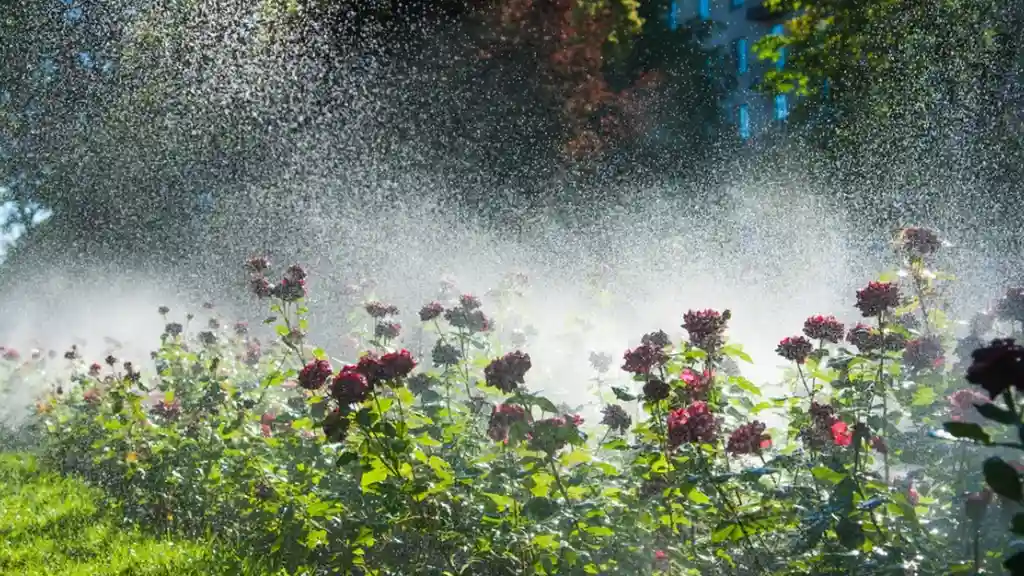
- Keep it Moist, Not Soggy: The goal is consistently moist soil. Water deeply and regularly, especially during dry spells. For tiny seeds like carrots, it's crucial to keep the top layer of soil moist until germination, which might mean light watering a couple of times a day in hot weather.
- Mulch is Your Friend: Once seedlings are established, apply a layer of organic mulch (like straw, shredded leaves, or wood chips) around your plants. This helps retain soil moisture, suppresses weeds, and regulates soil temperature.
- Avoid Overhead Watering for Established Plants: While fine for germination, once plants are larger, try to water at the base to reduce the risk of fungal diseases on the foliage.
Fertilizing Root Vegetables Less is Often More
Unlike leafy greens that love nitrogen, root vegetables need a balanced approach. Too much nitrogen can encourage lush top growth at the expense of root development. You want to focus on phosphorus and potassium for good root formation.
- Pre-Planting Amendments: If you've incorporated plenty of good compost, you might not need much additional fertilizer. Compost provides a slow, steady release of nutrients.
- Balanced or Low-Nitrogen Fertilizer: If your soil is poor or you want to give them a boost, opt for a balanced organic fertilizer or one with a lower first number (nitrogen) and higher second and third numbers (phosphorus and potassium).
- When to Fertilize: Apply a light feeding once seedlings are established, perhaps a month or so after germination. Avoid over-fertilizing.
Recommended Fertilizers and Watering Tools
- Espoma Garden-tone Organic Plant Food: This is a great all-purpose organic fertilizer that's well-balanced (3-4-4 NPK). It provides a slow release of nutrients and is excellent for general garden use, including root vegetables. A 8 lb bag is typically around $20-$25.
- Jobe's Organics Vegetable & Tomato Fertilizer: This one has a slightly higher phosphorus and potassium content (2-5-3 NPK), which is beneficial for root development. A 4 lb bag is usually $10-$15.
- Dramm One Touch Rain Wand: For watering, a good watering wand with a gentle shower setting is ideal. The Dramm One Touch is highly rated for its durability and gentle flow, perfect for not disturbing young seedlings. It costs around $30-$40.
- Soaker Hoses: For consistent, deep watering, especially in rows, a soaker hose is fantastic. It delivers water directly to the root zone, minimizing evaporation. A 50-foot soaker hose can be found for $15-$25 (e.g., Gilmour Flat Soaker Hose).
Bonus Tips for Specific Root Vegetables
Growing Carrots Success with Sweetness
Carrots are probably the most popular root vegetable for beginners. They love loose, sandy soil. If your soil is heavy, consider growing shorter varieties like 'Danvers Half Long' or 'Paris Market' in containers or raised beds. Keep them consistently moist, especially when they're young. Thinning is super important for straight, well-formed carrots.
Radishes Quick and Easy Rewards
Radishes are the instant gratification crop of the root vegetable world! Some varieties can be ready in as little as 3-4 weeks. They also prefer loose soil and consistent moisture. Plant them in succession every couple of weeks for a continuous harvest. They can get woody and spicy if left in the ground too long or if they experience inconsistent watering.
Beets Beyond the Root
Beets are fantastic because you can eat both the root and the greens! The greens are packed with nutrients and can be harvested young for salads or cooked like spinach. Beets are a bit more tolerant of heavier soils than carrots but still appreciate good drainage. Thin them to about 3-4 inches apart for good root development. Don't forget to try different colors – golden beets are less earthy and super pretty!
Troubleshooting Common Root Vegetable Problems
Forked or Stunted Roots
This is almost always due to compacted soil, rocks, or not thinning properly. Go back to Tip 1 and Tip 2! Ensure your soil is loose and free of obstructions, and be diligent about thinning your seedlings.
Cracked or Split Roots
This usually happens when there's a sudden influx of water after a dry spell. The roots absorb water too quickly and expand, causing them to split. Consistent watering (Tip 3) is key to preventing this.
Small Roots, Lots of Leaves
Too much nitrogen! If you've added a lot of fresh manure or a high-nitrogen fertilizer, your plants will put all their energy into growing lush foliage instead of developing a good root. Stick to balanced or low-nitrogen fertilizers for root crops.
Pests and Diseases
Root vegetables are generally pretty hardy, but they can still face issues. Common pests include root maggots (especially on radishes and turnips) and wireworms. Crop rotation (don't plant the same root vegetable in the same spot year after year) and good garden hygiene can help. For diseases, consistent moisture and good air circulation (achieved through proper spacing) can prevent many fungal issues.
Harvesting Your Hard Work
Knowing when to harvest is crucial for the best flavor and texture. Again, your seed packet will give you an estimated 'days to maturity.' For most root vegetables, you can gently feel the top of the root just below the soil line to gauge its size. Don't wait too long, or they can become woody, tough, or lose flavor.
- Carrots: Harvest when they reach the desired size, usually 1/2 to 1 inch (1.2-2.5 cm) in diameter at the top.
- Radishes: Pull them when they are about 1 inch (2.5 cm) in diameter. They grow quickly, so check them often!
- Beets: Harvest when the roots are 1.5 to 3 inches (4-7.5 cm) in diameter. You can also harvest some of the outer leaves as the roots grow.
To harvest, gently loosen the soil around the root with a digging fork or trowel, then pull the vegetable straight up. Try not to break the root. Brush off excess soil, and you're ready to enjoy your homegrown goodness!
So there you have it! With these three essential tips – proper soil preparation, careful planting and thinning, and consistent moisture with light fertilization – you're well on your way to a successful root vegetable harvest. Happy gardening!
:max_bytes(150000):strip_icc()/277019-baked-pork-chops-with-cream-of-mushroom-soup-DDMFS-beauty-4x3-BG-7505-5762b731cf30447d9cbbbbbf387beafa.jpg)