Understanding pH Levels in Soil Why It Matters
Learn about soil pH levels and their impact on plant health. Adjust your soil for optimal growth.
Learn about soil pH levels and their impact on plant health. Adjust your soil for optimal growth.
Understanding pH Levels in Soil Why It Matters
What is Soil pH and Why is it Important for Plant Growth
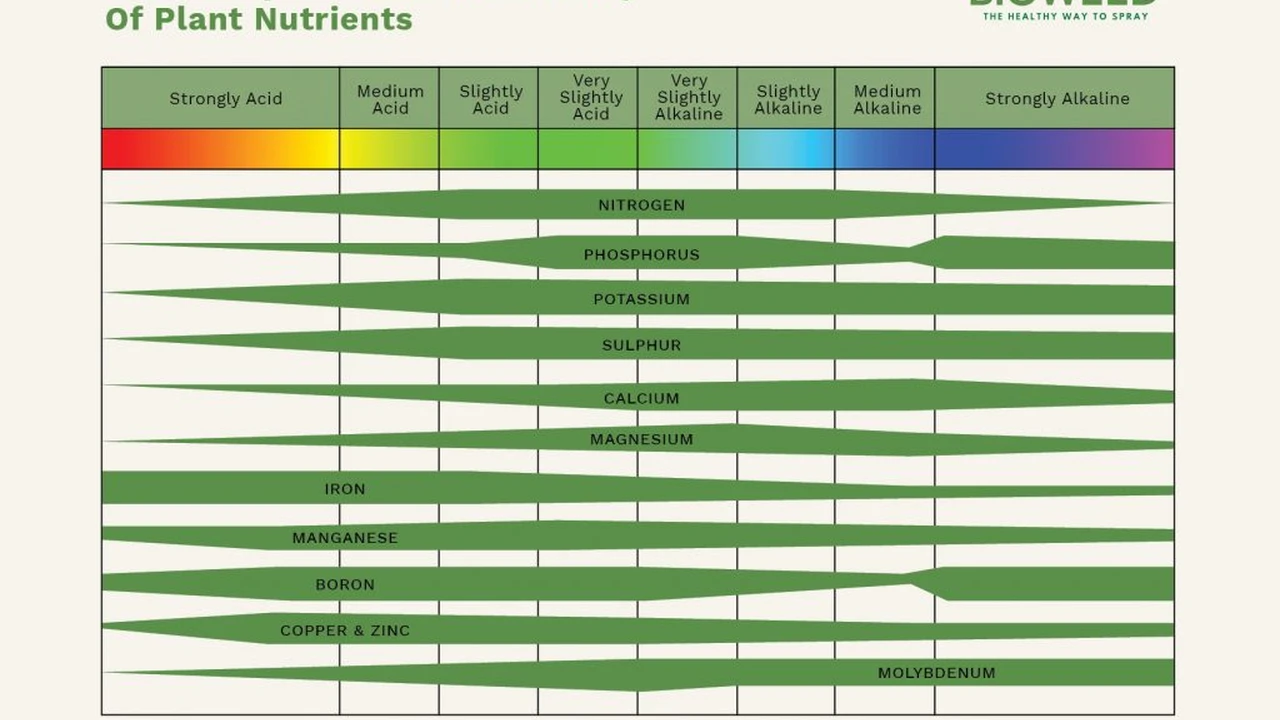
So, you've got your garden going, plants are in the ground, and you're watering regularly. But what if your plants still aren't thriving? One of the most overlooked, yet crucial, factors in plant health is soil pH. Think of soil pH as the acidity or alkalinity of your soil. It's measured on a scale from 0 to 14, with 7 being neutral. Anything below 7 is acidic, and anything above 7 is alkaline (or basic). Why does this matter? Because soil pH directly influences nutrient availability. Plants need a whole buffet of nutrients to grow strong and healthy, but if the pH isn't right, those nutrients can become locked up in the soil, making them unavailable to your plants, no matter how much fertilizer you add. It's like having a fridge full of food but no way to open it. Different plants have different preferences, too. Some love acidic soil, like blueberries and azaleas, while others, like most vegetables and fruit trees, prefer a more neutral to slightly acidic range. Getting the pH right is foundational to successful gardening.
How to Test Your Soil pH Simple Methods for Home Gardeners
Before you can adjust your soil pH, you need to know what you're starting with. Luckily, testing your soil pH is pretty straightforward and something any home gardener can do. There are a few popular methods, each with its pros and cons.
DIY Soil pH Test Kits Affordable and Accessible
These kits are widely available at garden centers and online. They usually involve taking a small soil sample, mixing it with a solution, and then comparing the color change to a chart. They're super easy to use and give you a quick, general idea of your soil's pH. They're also very affordable. For example, the Luster Leaf Rapitest Soil Test Kit is a popular choice, often retailing for around $15-$25. It includes tests for pH, nitrogen, phosphorus, and potash, making it a great all-in-one option for beginners. Another good one is the Garden Safe Brand Soil Test Kit, which is usually in the $10-$20 range and focuses specifically on pH. These kits are perfect for getting a baseline reading and for regular checks throughout the season. The main drawback is that they might not be as precise as professional lab tests, but for most home gardeners, they're more than adequate.
Digital Soil pH Meters Quick and Convenient Readings
If you want a more precise and instant reading, a digital soil pH meter is a great investment. You simply insert the probe into moist soil, and it gives you a digital readout of the pH. They're generally more accurate than the liquid kits and can be used repeatedly. Prices vary, but you can find decent ones for $20-$50. A highly recommended option is the Sonkir Soil pH Meter, 3-in-1 Soil Tester Kit. This one not only measures pH but also soil moisture and sunlight, which is incredibly useful. It typically costs around $15-$25. For something a bit more robust, the Dr. Meter S10 Soil pH Meter is a good choice, often in the $25-$40 range. When using these, make sure to clean the probe thoroughly after each use to maintain accuracy. They're fantastic for spot-checking different areas of your garden.
Professional Soil Testing Labs The Most Accurate Option
For the most accurate and comprehensive analysis, sending a soil sample to a professional lab (often through your local university extension office) is the way to go. They'll not only give you a precise pH reading but also detailed information on nutrient levels and recommendations for amendments. This is especially useful if you're starting a new garden or if you're having persistent problems with plant growth. The cost varies by region and the extent of the analysis, but it's usually in the $20-$50 range per sample. While it takes longer to get results, the detailed report can be invaluable for long-term garden planning. This is less about a specific product recommendation and more about a service, but it's definitely the gold standard for soil analysis.
Adjusting Soil pH Practical Steps for Acidic and Alkaline Soils
Once you know your soil's pH, you can take steps to adjust it to suit your plants' needs. Remember, changes to soil pH don't happen overnight; it's a gradual process, and consistent application over time is key.
Raising Soil pH Making Acidic Soil More Alkaline
If your soil is too acidic (low pH), you'll want to raise the pH to make it more alkaline. The most common and effective way to do this is by adding agricultural lime. There are a few types of lime, but the most common for gardens are calcitic lime and dolomitic lime. Calcitic lime is primarily calcium carbonate, while dolomitic lime contains both calcium and magnesium, which can be beneficial if your soil is also low in magnesium. Granular lime is generally easier to spread and less dusty than powdered lime. The amount you need to add depends on your current pH, your target pH, and your soil type (clay soils require more lime than sandy soils to achieve the same change). Always follow the product's instructions. For example, Espoma Organic Garden Lime is a popular choice, often sold in 6.75 lb bags for around $10-$15, or larger 30 lb bags for $20-$30. It's granular and easy to apply. Another good option is Bonide Garden Rich Pelletized Lime, which is also easy to spread and typically costs similar amounts. You'll usually spread the lime evenly over the soil surface and then work it into the top 6-8 inches. It's best to apply lime in the fall or early spring to give it time to work before planting. Re-test your soil after 6-12 months to see the effect.
Lowering Soil pH Making Alkaline Soil More Acidic
If your soil is too alkaline (high pH), you'll need to lower the pH to make it more acidic. The most common amendments for this are elemental sulfur or aluminum sulfate. Elemental sulfur works more slowly but provides a longer-lasting effect as soil microbes convert it into sulfuric acid. Aluminum sulfate works much faster but can be more expensive and, if overused, can lead to aluminum toxicity in some plants. Organic options include sphagnum peat moss, which is naturally acidic and can be worked into the soil, or pine needles and oak leaves, which decompose slowly and contribute to acidity over time. For elemental sulfur, products like Espoma Organic Soil Acidifier (which is elemental sulfur) are widely available, typically in 6 lb bags for $15-$25. This is great for acid-loving plants like blueberries, azaleas, and rhododendrons. Another option is just plain Garden Sulfur, which you can find in larger bags for similar prices. For peat moss, a large bale of Premier Peat Moss (3.8 cu ft compressed) can cost around $15-$25 and is excellent for amending soil structure while lowering pH. When applying sulfur, spread it evenly and work it into the topsoil. Again, the amount depends on your current pH, target pH, and soil type. It's crucial to re-test your soil regularly, as over-acidifying can be just as detrimental as having soil that's too alkaline.
Understanding Plant Preferences Matching pH to Your Garden Plants
Knowing your soil's pH is only half the battle; the other half is knowing what your plants prefer. Different plants have different sweet spots for pH, and planting them in soil that matches their preference will lead to much healthier, more productive growth. This is where a little research goes a long way.
Acid-Loving Plants Thriving in Lower pH
Some plants absolutely adore acidic soil, typically in the pH range of 4.5 to 6.0. If you're growing these, and your soil is naturally alkaline, you'll need to consistently work to lower your pH. Classic examples include blueberries, azaleas, rhododendrons, camellias, hydrangeas (especially for blue blooms), and many conifers. For these plants, using an acid-forming fertilizer can also help maintain the lower pH. Products like Miracle-Gro Azalea, Camellia, Rhododendron Plant Food (around $10-$15 for a 1.5 lb box) are formulated to provide nutrients while promoting acidity. Another great option is Espoma Organic Holly-tone, which is specifically designed for acid-loving plants and also contains beneficial microbes, usually costing $15-$25 for an 8 lb bag. When planting these, incorporating plenty of peat moss into the planting hole can give them a good start.
Alkaline-Tolerant Plants and Neutral Lovers
Most common vegetables, fruits, and ornamental plants prefer a slightly acidic to neutral pH, typically in the range of 6.0 to 7.0. This includes popular garden staples like tomatoes, peppers, beans, corn, lettuce, carrots, apples, peaches, and most roses. If your soil is too acidic, these plants will struggle to take up essential nutrients like calcium and magnesium. For these, adding lime as discussed earlier is the way to go. Some plants, like lavender, clematis, and many types of ornamental grasses, actually prefer slightly alkaline conditions (pH 7.0-7.5). If you're growing these and your soil is acidic, you'll definitely want to raise the pH. For general purpose gardening, a balanced fertilizer like Jobe's Organics All-Purpose Granular Fertilizer (around $15-$25 for a 4 lb bag) works well in a neutral to slightly acidic soil, as it provides a good nutrient balance without drastically altering pH.
Common Problems Related to Incorrect Soil pH and Solutions
If your plants are showing signs of distress, and you've ruled out pests, diseases, and watering issues, soil pH is often the culprit. Recognizing the symptoms can help you diagnose the problem and apply the right solution.
Nutrient Deficiencies Yellowing Leaves and Stunted Growth
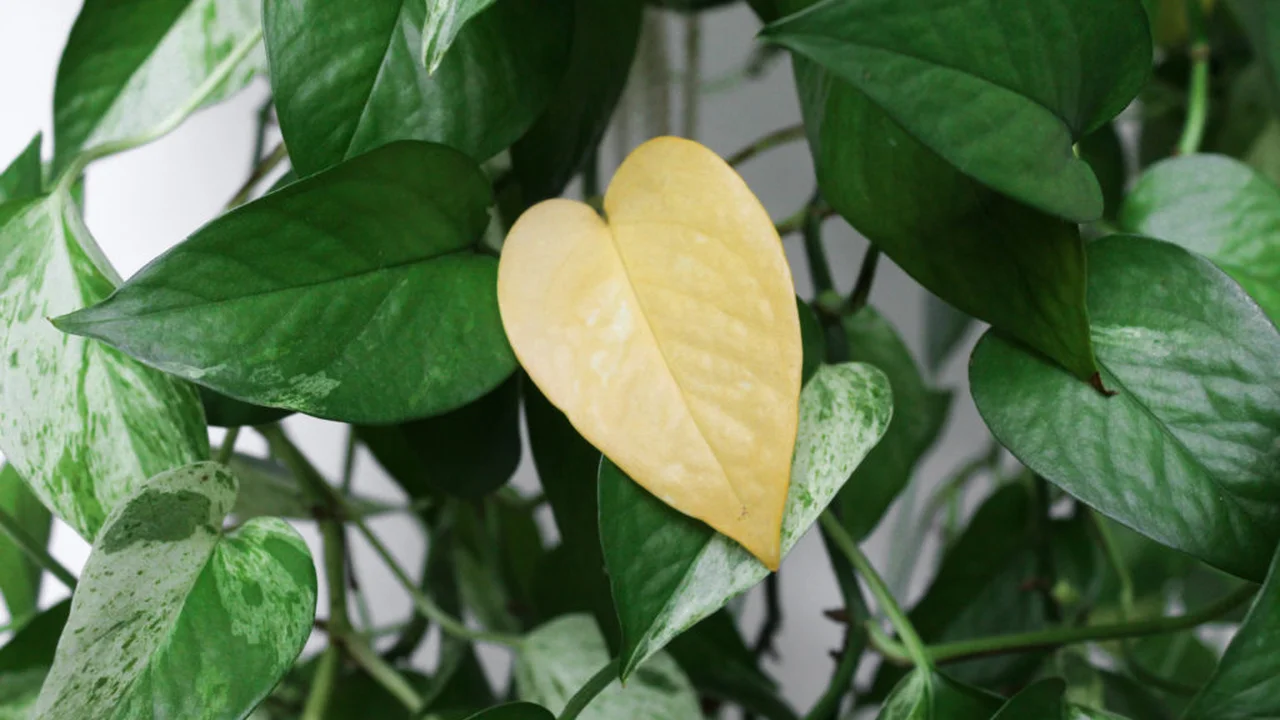
One of the most common signs of incorrect pH is nutrient deficiency, even if the nutrients are present in the soil. For example, in highly acidic soils, phosphorus can become unavailable, leading to stunted growth and purplish leaves. In highly alkaline soils, iron and manganese can become locked up, causing chlorosis (yellowing of leaves, especially between the veins, while veins remain green). This is very common in acid-loving plants trying to grow in alkaline soil. If you see these symptoms, and your pH test confirms an imbalance, adjusting the pH is the long-term solution. In the short term, you can use foliar sprays that contain chelated forms of these nutrients, which can be absorbed directly by the leaves. For iron deficiency, a product like Southern Ag Chelated Liquid Iron (around $10-$15 for a pint) can provide a quick boost. For general nutrient deficiencies due to pH, correcting the pH is paramount.
Poor Plant Vigor and Reduced Yields
Beyond specific nutrient deficiencies, plants growing in soil with an unsuitable pH will generally lack vigor. They might grow slowly, produce fewer flowers or fruits, and be more susceptible to pests and diseases because their immune systems are compromised. It's like trying to run a marathon on an empty stomach – you just won't perform your best. If your garden consistently underperforms despite good care, a pH imbalance is a strong possibility. Regular soil testing and gradual pH adjustment are the best ways to ensure your plants are getting the nutrients they need to thrive and produce abundant yields.
Maintaining Optimal Soil pH Long-Term Strategies
Adjusting soil pH isn't a one-time fix; it's an ongoing process, especially if your native soil is far from your plants' ideal range. Consistent monitoring and thoughtful gardening practices will help you maintain a healthy pH balance.
Regular Soil Testing and Gradual Adjustments
Make soil testing a routine part of your gardening calendar, perhaps once a year in the fall or early spring. This allows you to catch any shifts in pH before they become major problems. When you do need to adjust, do so gradually. Large, sudden changes can shock plants and disrupt the delicate soil ecosystem. It's better to make smaller applications of lime or sulfur over time, re-testing as you go, rather than trying to fix everything at once. Patience is a virtue in gardening, especially with soil chemistry.
Organic Matter The pH Buffer
Adding plenty of organic matter to your soil is one of the best long-term strategies for maintaining a stable pH. Compost, well-rotted manure, and other organic materials act as a buffer, helping to stabilize pH and prevent drastic fluctuations. They also improve soil structure, water retention, and nutrient availability. Regularly incorporating compost into your garden beds will not only feed your plants but also create a more resilient and forgiving soil environment. You can buy bagged compost like Black Kow Composted Cow Manure (around $5-$10 for a 50 lb bag) or make your own. The more organic matter, the happier your soil, and the happier your plants.
Consider Your Water Source
Believe it or not, your irrigation water can also influence your soil pH over time. If you have very hard water (high in dissolved minerals, often alkaline), consistent watering can slowly raise your soil pH. Conversely, very soft water can contribute to acidity. While you can't easily change your municipal water, being aware of its properties can help you understand long-term trends in your soil pH and adjust your amendment strategy accordingly. For most home gardeners, this is a minor factor compared to soil amendments, but it's worth keeping in mind for advanced troubleshooting.
Understanding and managing soil pH is a fundamental skill for any gardener looking to move beyond just planting and hoping for the best. It empowers you to create the ideal environment for your plants, ensuring they can access all the nutrients they need to flourish. So grab a test kit, get to know your soil, and watch your garden truly thrive!
:max_bytes(150000):strip_icc()/277019-baked-pork-chops-with-cream-of-mushroom-soup-DDMFS-beauty-4x3-BG-7505-5762b731cf30447d9cbbbbbf387beafa.jpg)