{ "article": [ { "title": "Starting a Herb Garden 5 Easy Steps", "meta_description": "Create your own herb garden with these 5 easy steps. Fresh herbs are just a few steps away for any beginner.", "content": "Create your own herb garden with these 5 easy steps. Fresh herbs are just a few steps away for any beginner.\n\n
\n\n
Why Grow Your Own Herbs Benefits and Beginner Tips
\n\nGrowing your own herbs is one of the most rewarding and accessible gardening endeavors for beginners. Imagine stepping into your kitchen and snipping fresh basil for your pasta, or plucking mint leaves for a refreshing drink. The flavor, aroma, and sheer convenience are unparalleled. Beyond culinary delights, fresh herbs are packed with nutrients and can even offer medicinal benefits. Plus, it's incredibly cost-effective compared to buying pre-packaged herbs from the grocery store, which often wilt quickly. For beginners, herbs are forgiving plants, many of which thrive with minimal fuss, making them an ideal starting point for your gardening journey.\n\n
Step 1 Choosing Your Herbs Best Varieties for Beginners
\n\nSelecting the right herbs is crucial for a successful beginner herb garden. Some herbs are incredibly resilient and easy to grow, while others might require a bit more attention. Here are some top recommendations for beginners:\n\n
Basil The Culinary King
\n\nBasil is a must-have for any herb garden. It's relatively easy to grow, loves sun, and its aromatic leaves are indispensable in Italian and Asian cuisine. Varieties like 'Genovese' are classic, while 'Sweet Basil' is also popular. Basil thrives in warm weather and needs consistent moisture. Avoid overwatering, but don't let it dry out completely.\n\n
Mint The Prolific Spreader
\n\nMint is incredibly easy to grow, almost too easy! It's known for its vigorous spreading habit, so it's often best grown in containers to prevent it from taking over your garden. Peppermint, spearmint, and chocolate mint are popular choices. Mint prefers partial shade and consistently moist soil. It's fantastic for teas, desserts, and cocktails.\n\n
Rosemary The Hardy Aromatic
\n\nRosemary is a woody, evergreen herb that's quite drought-tolerant once established. It loves full sun and well-draining soil. Its pine-like aroma and flavor are perfect for roasted meats and vegetables. Varieties like 'Arp' are known for their cold hardiness. Rosemary can be grown in pots or directly in the ground.\n\n
Thyme The Low-Maintenance Groundcover
\n\nThyme is another hardy herb that thrives in full sun and well-draining soil. It's drought-tolerant and can even handle some neglect. Its small leaves pack a powerful flavor, great for savory dishes. Lemon thyme and common thyme are excellent choices. It's also a beautiful groundcover.\n\n
Chives The Onion Family Favorite
\n\nChives are part of the onion family and offer a mild oniony flavor. They are very easy to grow, tolerate a range of conditions, and even produce attractive purple flowers. Chives prefer full sun to partial shade and moist, well-draining soil. They're perfect for garnishing soups, salads, and eggs.\n\n
Cilantro The Fast Grower
\n\nCilantro is a fast-growing herb essential in Mexican, Asian, and Indian cuisines. It prefers cooler weather and can bolt (go to seed) quickly in hot temperatures. Plant in succession every few weeks for a continuous harvest. It needs well-draining soil and partial shade in warmer climates.\n\n
Step 2 Choosing Your Growing Method Containers vs In-Ground
\n\nOnce you've picked your herbs, decide where and how you'll grow them. Both containers and in-ground planting have their advantages.\n\n
Container Gardening for Herbs Space Saving and Mobility
\n\nContainer gardening is ideal for beginners, especially if you have limited space like a balcony or patio. It offers flexibility, allowing you to move plants to optimize sunlight or protect them from harsh weather. It's also perfect for aggressive spreaders like mint. Choose pots with drainage holes to prevent waterlogging.\n\n
In-Ground Herb Gardens Abundance and Natural Growth
\n\nIf you have garden space, planting herbs directly in the ground allows them to grow larger and often more vigorously. It's great for herbs that prefer to spread, though you'll need to manage aggressive varieties. Ensure your garden bed has good drainage and receives adequate sunlight.\n\n
Step 3 Preparing Your Soil and Planting Essential Steps
\n\nGood soil is the foundation of a healthy herb garden. Herbs generally prefer well-draining soil that isn't too rich in nutrients.\n\n
Soil Preparation The Right Mix
\n\nFor containers, use a high-quality potting mix specifically designed for herbs or vegetables. Avoid heavy garden soil, which can compact and hinder drainage in pots. For in-ground planting, amend your native soil with compost to improve drainage and fertility. A slightly sandy loam is often ideal for many herbs.\n\n
Planting Your Herbs Seeds vs Seedlings
\n\nYou can start herbs from seeds or purchase young plants (seedlings) from a nursery. Seedlings offer a quicker start, while seeds are more economical and offer a wider variety.\n\n
Planting Seeds
\n\nFollow the instructions on your seed packet for planting depth and spacing. Most herb seeds are small and only need to be lightly covered with soil. Keep the soil consistently moist until germination.\n\n
Planting Seedlings
\n\nCarefully remove the seedling from its nursery pot, gently loosen any circling roots, and plant it at the same depth it was in the pot. Water thoroughly after planting to help settle the soil around the roots.\n\n
Step 4 Watering and Sunlight Essential Care for Thriving Herbs
\n\nProper watering and adequate sunlight are critical for healthy herb growth.\n\n
Watering Your Herbs The Right Amount
\n\nMost herbs prefer consistently moist, but not waterlogged, soil. The best way to determine if your herbs need water is to stick your finger about an inch or two into the soil. If it feels dry, it's time to water. Water deeply until water drains from the bottom of the pot (for containers) or the soil is thoroughly moistened (for in-ground plants). Avoid overhead watering, which can encourage fungal diseases.\n\n
Sunlight Requirements for Herbs Full Sun vs Partial Shade
\n\nMost culinary herbs thrive in full sun, meaning at least 6 hours of direct sunlight per day. However, some, like mint and cilantro, can benefit from partial shade, especially in hot climates, to prevent bolting or scorching. Observe your plants and adjust their location if they show signs of stress from too much or too little sun.\n\n
Step 5 Harvesting and Pruning Maximizing Your Yield
\n\nRegular harvesting and pruning are essential for encouraging bushy growth and maximizing your herb yield.\n\n
Harvesting Your Herbs When and How
\n\nStart harvesting your herbs once the plant is established and has several sets of leaves. For most herbs, snip off the top few inches of growth, just above a leaf node (where leaves emerge from the stem). This encourages the plant to branch out, leading to more leaves. Harvest regularly to prevent herbs from flowering (bolting), which can diminish flavor.\n\n
Pruning for Bushy Growth and Longevity
\n\nPruning is similar to harvesting but focuses on shaping the plant and removing any leggy or unhealthy growth. For woody herbs like rosemary and thyme, occasional pruning helps maintain their shape and encourages new growth. Remove any yellowing or diseased leaves promptly.\n\n
Recommended Products for Your Herb Garden Beginner Friendly Options
\n\nTo help you get started, here are some specific product recommendations, including their uses, comparisons, and approximate pricing. Please note that prices can vary based on location, retailer, and sales.\n\n
Potting Mixes for Herbs
\n\n
FoxFarm Ocean Forest Potting Soil
\n\n* Use: A premium potting mix ideal for container herbs. It's rich in organic matter and provides excellent drainage.\n* Comparison: While more expensive than basic potting mixes, its quality often leads to healthier, more vigorous plants, reducing the need for additional fertilizers early on. It's a step up from generic brands.\n* Price: Approximately $20-$30 for a 1.5 cubic foot bag.\n* Where to Buy: Garden centers, hydroponics stores, Amazon.\n\n
Miracle-Gro Potting Mix
\n\n* Use: A widely available and affordable option for general container planting. It contains a slow-release fertilizer.\n* Comparison: Good for beginners on a budget. The added fertilizer can be a pro for some, but others prefer to control nutrient levels themselves. It's less specialized than FoxFarm but still effective.\n* Price: Approximately $10-$15 for a 1 cubic foot bag.\n* Where to Buy: Walmart, Home Depot, Lowe's, most garden sections.\n\n
Herb Planters and Containers
\n\n
Self-Watering Planters (e.g., Lechuza, Bloem)
\n\n* Use: Excellent for busy gardeners or those who tend to forget watering. They have a reservoir that provides water to the plant as needed.\n* Comparison: More expensive upfront than traditional pots, but they reduce watering frequency and help prevent over/underwatering. Brands like Lechuza are high-end, while Bloem offers more budget-friendly options.\n* Price: $20-$60+ depending on size and brand.\n* Where to Buy: Specialty garden stores, Amazon, online retailers.\n\n
Terracotta Pots
\n\n* Use: Classic, breathable pots that are great for herbs that prefer drier conditions, like rosemary and thyme, as they allow excess moisture to evaporate.\n* Comparison: Affordable and aesthetically pleasing. They can dry out faster than plastic pots, requiring more frequent watering in hot climates. They are also fragile.\n* Price: $5-$20+ depending on size.\n* Where to Buy: Any garden center, hardware store, craft stores.\n\n
Fabric Grow Bags (e.g., Vivosun, Smart Pots)
\n\n* Use: Promote excellent air circulation to the roots, preventing root circling and encouraging healthy growth. Great for almost any herb.\n* Comparison: Very affordable, lightweight, and easy to store when not in use. They can dry out faster than plastic or terracotta, but the root health benefits are significant.\n* Price: $15-$30 for a pack of 5 (various sizes).\n* Where to Buy: Amazon, hydroponics stores, online garden suppliers.\n\n
Gardening Tools for Herbs
\n\n
Fiskars Micro-Tip Pruning Snips
\n\n* Use: Perfect for precise harvesting of delicate herb leaves and stems. Their small size allows for accurate cuts without damaging the plant.\n* Comparison: Much better than using kitchen scissors for herbs, as they are sharper and designed for plant material. Fiskars is a reputable brand known for quality.\n* Price: Approximately $15-$25.\n* Where to Buy: Garden centers, hardware stores, Amazon.\n\n
Garden Trowel (e.g., Edward Tools, Radius Garden)
\n\n* Use: Essential for digging small holes for planting seedlings and mixing soil.\n* Comparison: Look for a sturdy, ergonomic design. Stainless steel is durable and easy to clean. Edward Tools offers good value, while Radius Garden has more ergonomic handles.\n* Price: Approximately $10-$20.\n* Where to Buy: Any hardware store, garden center, Amazon.\n\n
Fertilizers for Herbs (Optional for Beginners)
\n\n
Espoma Organic Herb Tone
\n\n* Use: An organic granular fertilizer specifically formulated for herbs. It provides a balanced nutrient supply for healthy growth.\n* Comparison: Organic options are great for edible plants as they improve soil health over time. This is a gentle, slow-release option, less likely to burn plants than synthetic fertilizers.\n* Price: Approximately $10-$15 for a 4 lb bag.\n* Where to Buy: Garden centers, nurseries, Amazon.\n\n
Alaska Fish Emulsion Fertilizer
\n\n* Use: A liquid organic fertilizer that provides a quick boost of nitrogen, promoting leafy growth. It has a strong smell, so best used outdoors.\n* Comparison: A fast-acting organic option. It's great for herbs that you harvest frequently for their leaves. The smell dissipates quickly after application.\n* Price: Approximately $10-$20 for a 16 oz bottle.\n* Where to Buy: Garden centers, hardware stores, Amazon.\n\n
Troubleshooting Common Herb Garden Issues Quick Fixes
\n\nEven with the best intentions, you might encounter some common issues. Don't worry, most are easily fixable!\n\n
Yellowing Leaves Nutrient Deficiency or Overwatering
\n\nIf your herb leaves are turning yellow, it's often a sign of either too much water (leading to root rot) or a nutrient deficiency (especially nitrogen). Check the soil moisture first. If it's soggy, reduce watering. If it's dry, consider a light feeding with a balanced liquid fertilizer.\n\n
Leggy Growth Not Enough Sunlight
\n\nWhen herbs stretch out and become tall and spindly with sparse leaves, it's usually a sign they're not getting enough light. Move them to a sunnier spot or consider supplemental grow lights if growing indoors.\n\n
Pests Aphids and Spider Mites
\n\nCommon herb pests include aphids and spider mites. For small infestations, a strong spray of water can dislodge them. For more persistent issues, use an insecticidal soap or neem oil, ensuring it's safe for edible plants. Always follow product instructions.\n\n
Bolting Premature Flowering
\n\nWhen herbs like basil or cilantro produce flower stalks, it's called bolting. This often happens in hot weather or when plants are stressed. Bolting can make the leaves taste bitter. To prevent it, harvest regularly, provide adequate water, and consider planting heat-sensitive herbs in partial shade during summer. If a plant bolts, you can pinch off the flower stalks to encourage more leaf growth, but the flavor might still be affected.\n\n
Enjoying Your Fresh Herbs From Garden to Table
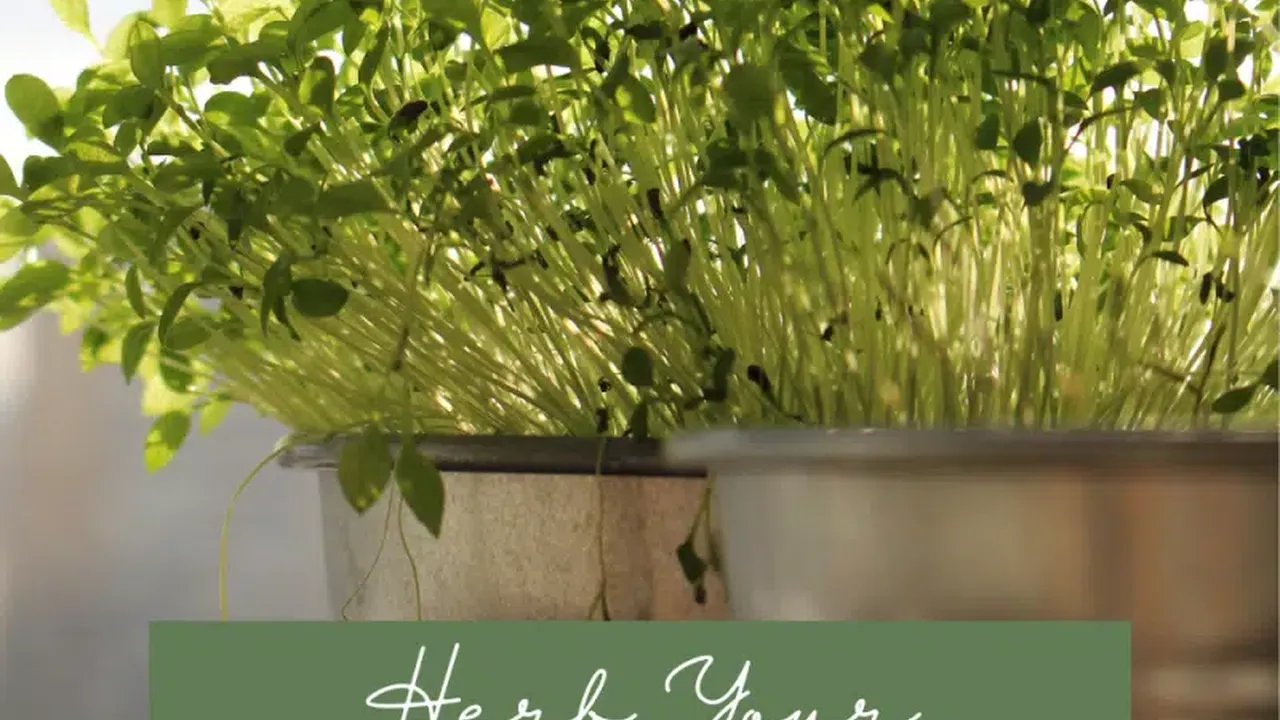
\n\nGrowing your own herbs is a journey of discovery and deliciousness. From the first tiny sprout to the abundant harvest, each step is rewarding. Don't be afraid to experiment with different varieties and growing methods. The best part is the immediate access to fresh, flavorful ingredients that elevate your cooking and bring a touch of nature into your home. So go ahead, get your hands dirty, and enjoy the incredible satisfaction of a thriving herb garden!
:max_bytes(150000):strip_icc()/277019-baked-pork-chops-with-cream-of-mushroom-soup-DDMFS-beauty-4x3-BG-7505-5762b731cf30447d9cbbbbbf387beafa.jpg)