Learn the best watering practices for your vegetable garden. Avoid common mistakes and ensure healthy plants.
Learn the best watering practices for your vegetable garden. Avoid common mistakes and ensure healthy plants.
Understanding Your Vegetable Garden's Hydration Needs
Watering vegetables might seem straightforward, but there's an art and science to it. Getting it right is crucial for a thriving vegetable garden, leading to bountiful harvests and healthy plants. Overwatering can lead to root rot and fungal diseases, while underwatering causes wilting, stunted growth, and poor fruit development. So, how do you find that sweet spot? It all starts with understanding your plants' needs and your garden's unique conditions.
Different vegetables have different water requirements. For instance, leafy greens like lettuce and spinach need consistent moisture, while root vegetables like carrots and potatoes prefer deep, less frequent watering once established. The type of soil you have also plays a significant role. Sandy soils drain quickly and need more frequent watering, whereas clay soils retain water longer and require less frequent but deeper watering. Climate, temperature, and even the stage of plant growth (seedling, flowering, fruiting) all influence how much and how often you should water.
Signs of Thirsty Plants and Overwatering Symptoms
Being able to read your plants is key to successful watering. Your plants will tell you when they're thirsty or when they've had too much. Recognizing these signs early can save your harvest.
Signs of Underwatering: Wilting Leaves and Stunted Growth
When plants are underwatered, the most obvious sign is wilting. Leaves might droop, look dull, or even turn crispy and brown at the edges. Flowers and fruits may drop prematurely, and overall growth will be stunted. If you see these signs, it's time to water immediately. However, remember that wilting can also be a sign of overwatering, so it's important to check the soil moisture before adding more water.
Signs of Overwatering: Yellowing Leaves and Root Rot
Overwatering can be more insidious because its symptoms sometimes mimic underwatering. Yellowing leaves, especially lower leaves, are a common sign. The plant might look generally unhealthy, and growth can be slow. The most severe consequence of overwatering is root rot, where the roots literally drown and decay due to lack of oxygen. If you pull up a plant with root rot, the roots will be mushy and brown or black, often with a foul smell. This is why checking soil moisture is paramount.
The Best Time to Water Your Vegetable Garden
Timing is everything when it comes to watering. The time of day you water can significantly impact how much water your plants actually absorb and how efficiently it's used.
Morning Watering: Optimal Absorption and Disease Prevention
The best time to water your vegetable garden is in the early morning. This allows the water to soak deep into the soil before the heat of the day causes excessive evaporation. Watering in the morning also gives the foliage time to dry out before nightfall, which is crucial for preventing fungal diseases. Wet leaves overnight create a perfect breeding ground for pathogens.
Avoiding Midday and Evening Watering
Watering in the middle of the day, especially during hot weather, is largely inefficient. Much of the water will evaporate before it reaches the roots, wasting precious resources. Watering in the evening, while it might seem convenient, leaves foliage wet overnight, increasing the risk of fungal diseases like powdery mildew and blight. If you absolutely must water in the evening, try to water at the base of the plant to keep the leaves dry.
How to Water Your Vegetable Plants Effectively
It's not just about when you water, but how. Deep, infrequent watering is generally better than shallow, frequent watering for most vegetables.
Deep Watering: Encouraging Strong Root Systems
Deep watering encourages your plants to develop deep, strong root systems. When you water deeply, the moisture penetrates several inches into the soil, prompting roots to grow downwards in search of water. This makes plants more resilient to dry spells and less reliant on frequent surface watering. Aim to water until the soil is moist to a depth of at least 6-8 inches for most vegetables.
Targeted Watering: Delivering Water Directly to Roots
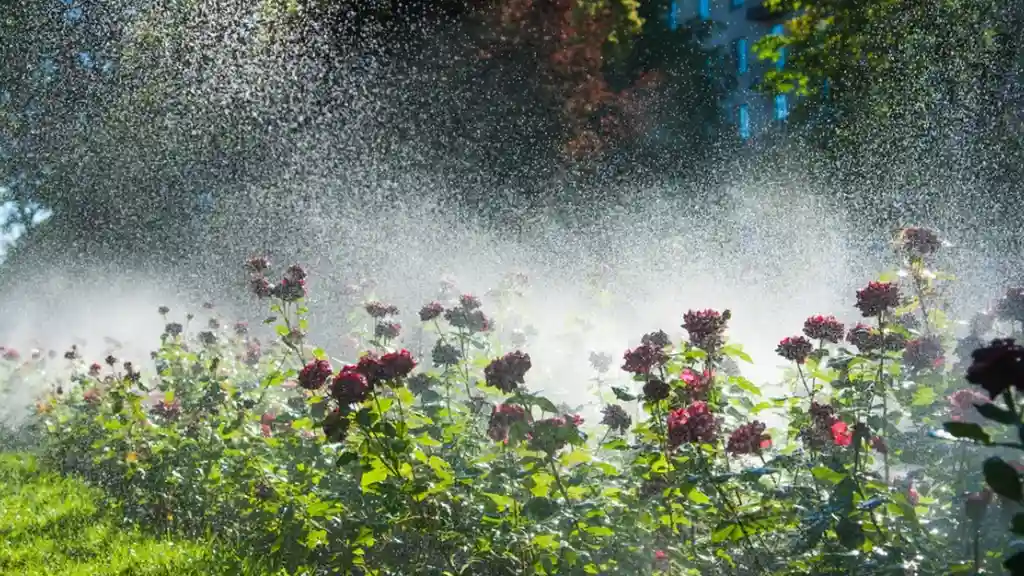
Avoid overhead watering with sprinklers, especially for mature plants. While it might seem efficient, much of the water evaporates, and wet foliage can lead to disease. Instead, focus on targeted watering, delivering water directly to the base of the plant, near the root zone. This minimizes water waste and keeps leaves dry.
Tools and Techniques for Efficient Vegetable Watering
There are many tools available to help you water your vegetable garden efficiently. Choosing the right one depends on your garden's size, layout, and your personal preference.
Soaker Hoses and Drip Irrigation: Water-Saving Solutions
Soaker hoses and drip irrigation systems are excellent choices for water conservation and targeted watering. They deliver water slowly and directly to the root zone, minimizing evaporation and runoff. They are particularly good for rows of vegetables.
* Soaker Hoses: These porous hoses slowly release water along their entire length. They are relatively inexpensive and easy to set up. You can weave them through your garden beds, burying them slightly or covering them with mulch to further reduce evaporation. A popular option is the Gilmour Flat Soaker Hose (around $20-40 depending on length), known for its even water distribution. For larger gardens, the Flexon Soaker Hose (around $30-50) offers good durability.
* Drip Irrigation Systems: These systems use a network of main lines, smaller tubing, and emitters that deliver precise amounts of water to individual plants. While they require a bit more initial setup, they are highly efficient and can be automated with a timer. Brands like Rain Bird and Orbit offer comprehensive drip irrigation kits. The Rain Bird Drip Irrigation Kit (around $50-100) is a great starter option for small to medium gardens, providing all necessary components for a basic setup. For more advanced users, individual components from Netafim offer professional-grade quality and customization.
Watering Cans and Hand Watering: For Small Gardens and Specific Needs
For smaller gardens, containers, or when you need to give specific plants extra attention, a watering can or hand watering with a hose nozzle is perfectly fine. Look for watering cans with a fine rose (sprinkler head) to avoid washing away soil or damaging delicate seedlings.
* Watering Cans: A good watering can should be comfortable to hold and have a balanced design. The Behrens Galvanized Steel Watering Can (around $20-30) is a classic, durable choice. For a more modern and lightweight option, the Fiskars Ergo Watering Can (around $15-25) is ergonomically designed.
* Hose Nozzles: A multi-pattern hose nozzle allows you to adjust the spray for different watering needs. The Gilmour Heavy Duty Metal Nozzle (around $15-25) offers durability and various spray patterns. For a gentler flow, the Dramm 17006 One Touch Rain Wand (around $30-40) is excellent for delicate plants and reaching hanging baskets, providing a soft, rain-like shower.
Soil Moisture Meters: Taking the Guesswork Out of Watering
Soil moisture meters are invaluable tools for taking the guesswork out of watering. They tell you exactly how much moisture is in the soil at root level, preventing both over and underwatering.
* Analog Soil Moisture Meters: These are simple, battery-free devices that you stick into the soil. They give you an instant reading on a dial. The XLUX T10 Soil Moisture Sensor Meter (around $10-15) is a popular and affordable choice, providing reliable readings for moisture, pH, and light.
* Digital Soil Moisture Meters: More advanced options might include digital displays and additional features like pH and light readings. The Sonkir Soil pH Meter, MS02 3-in-1 Soil Tester (around $15-20) is a good example, offering digital accuracy for moisture, pH, and sunlight.
Mulching: A Gardener's Best Friend for Water Retention
Mulching is one of the simplest yet most effective ways to conserve water in your vegetable garden. A layer of mulch acts as a protective barrier, reducing evaporation from the soil surface.
Benefits of Mulch: Moisture Retention and Weed Suppression
Beyond water retention, mulch offers numerous benefits. It suppresses weeds by blocking sunlight, regulates soil temperature (keeping roots cooler in summer and warmer in winter), and can even add nutrients to the soil as it breaks down (if using organic mulches). Common organic mulches include straw, shredded leaves, wood chips, and compost. Inorganic mulches like landscape fabric or gravel also work for water retention but don't add nutrients.
Applying Mulch: Best Practices for Vegetable Gardens
Apply a 2-4 inch layer of mulch around your vegetable plants, leaving a small gap around the base of the stems to prevent rot. Reapply mulch as needed throughout the growing season. For vegetable gardens, straw is often preferred as it breaks down relatively quickly, enriching the soil, and doesn't tie up nitrogen like some wood-based mulches can.
Watering Specific Vegetable Types: Tailoring Your Approach
While general watering principles apply, some vegetables have specific needs that are worth noting.
Leafy Greens and Shallow-Rooted Vegetables: Consistent Moisture
Vegetables like lettuce, spinach, radishes, and most herbs have shallow root systems and need consistent moisture. They don't tolerate drying out between waterings. Aim for frequent, light waterings, especially during hot weather. However, still ensure the water penetrates a few inches deep.
Fruiting Vegetables: Deep and Consistent Watering During Fruiting
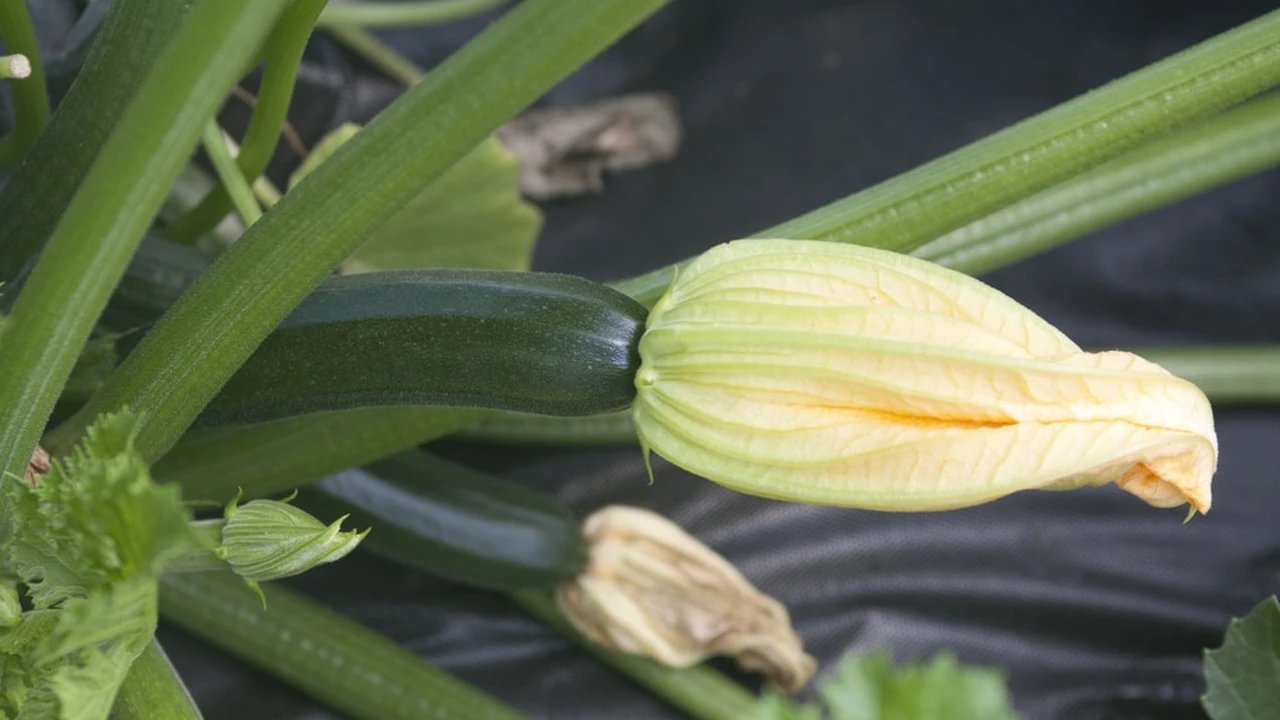
Tomatoes, peppers, cucumbers, squash, and beans are heavy feeders and require consistent, deep watering, especially when they are flowering and setting fruit. Inconsistent watering can lead to problems like blossom end rot in tomatoes and peppers. Aim for deep watering every few days, adjusting based on weather conditions and soil type.
Root Vegetables: Deep Watering Once Established
Carrots, potatoes, beets, and onions prefer deep watering that encourages their roots or bulbs to grow downwards. Once established, they can tolerate slightly drier conditions between waterings compared to leafy greens. However, consistent moisture is still important to prevent cracking in carrots or misshapen potatoes.
Troubleshooting Common Watering Problems
Even with the best intentions, watering problems can arise. Here's how to address some common issues.
Addressing Runoff: Improving Soil Drainage and Absorption
If water is running off the surface of your garden instead of soaking in, it could be due to compacted soil or watering too quickly. To improve absorption, consider amending your soil with organic matter like compost. You can also try watering in stages: water for a few minutes, let it soak in, then water again. Creating small basins around individual plants can also help direct water to the root zone.
Dealing with Water Stress During Heatwaves
During heatwaves, your plants will need more water than usual. Water early in the morning, and consider a second watering in the late afternoon if plants show signs of stress. Mulching becomes even more critical during these periods. Providing temporary shade with shade cloth can also reduce water loss through transpiration.
Preventing Fungal Diseases: Proper Air Circulation and Watering Techniques
Fungal diseases thrive in moist, stagnant conditions. To prevent them, always water at the base of the plant, avoiding wetting the foliage. Ensure good air circulation around your plants by proper spacing and pruning. If you notice signs of fungal disease, remove affected leaves immediately and consider an organic fungicide if necessary.
By understanding your plants' needs, using the right tools, and employing smart watering techniques, you'll be well on your way to a thriving and productive vegetable garden. Happy growing!
:max_bytes(150000):strip_icc()/277019-baked-pork-chops-with-cream-of-mushroom-soup-DDMFS-beauty-4x3-BG-7505-5762b731cf30447d9cbbbbbf387beafa.jpg)